
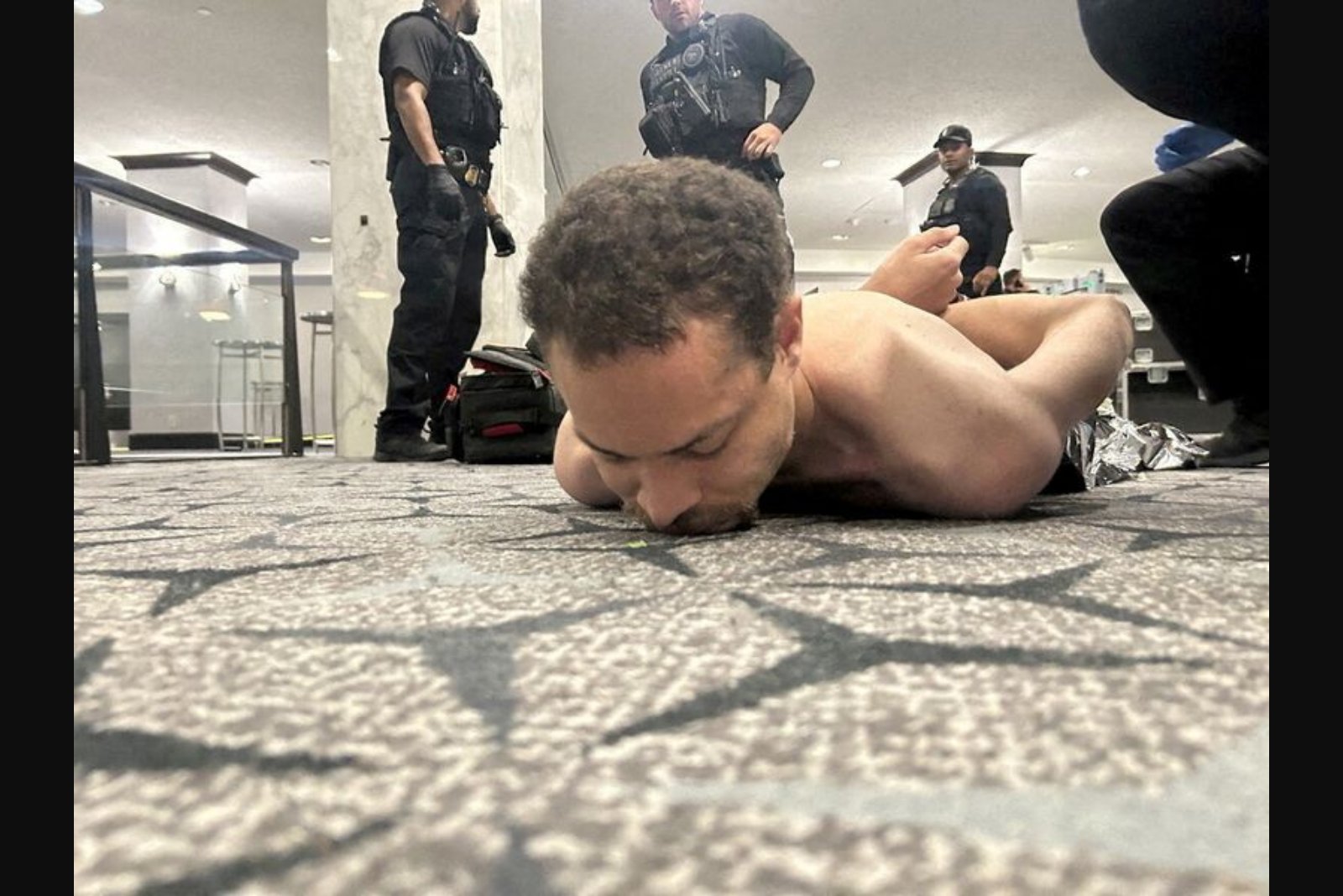
Attorneys representing Cole Tomas Allen asked a judge on Saturday to remove suicide-prevention measures that have been imposed while he remains jailed in Washington, according to a court filing. Allen is the man accused of storming a security checkpoint and firing a shotgun outside the White House Correspondents' Dinner on April 25.
When Allen was first booked into the jail on April 27, he was housed in what his lawyers describe as a "safe cell" - a padded room subject to 24-hour lockdown procedures and requiring him to wear "a vest akin to a strait jacket," the filing in the U.S. District Court for the District of Columbia states.
He was later moved out of that padded room but placed on "suicide precautions," the filing says. Under those precautions Allen is prohibited from making phone calls, receiving visits from anyone other than his legal team, or spending time outside his cell except for legal visits or showers, and such movement must be accompanied by an escort, the filing adds.
The filing notes that a nurse recommended on Friday that the suicide precautions be ended. Despite that recommendation, the limitations remained in place during a visit by one of Allen's public defense attorneys later that day, according to the filing.
Allen's lawyers contend in the court filing that the conditions under which he is being held "amount to punishment" and deprive him of access to resources, specifically citing denial of use of a jail tablet that "would permit him to communicate with loved ones outside of the jail."
Allen faces federal charges including attempted assassination, discharging a firearm during a crime of violence, and illegally transporting guns and ammunition across state lines. The filing notes that he has not entered a plea in the case.
The attorneys' motion seeks judicial relief from the suicide-precaution status while Allen remains in pretrial custody. The filing frames the matter as not only medical and custodial but also as restricting his ability to maintain contact with family and support networks pending further court proceedings.
Below are key facts and outstanding questions drawn from the court filing and booking records described by Allen's lawyers.
- Booking and initial placement: Allen was booked into the jail on April 27 and initially assigned to a "safe cell" with continuous lockdown and a restraining vest, per the filing.
- Reduction to precautions: He was subsequently downgraded to "suicide precautions," which still limit calls, visits and time outside the cell except for authorized reasons and escorts.
- Medical recommendation: A nurse recommended ending the suicide precautions on Friday, but the restrictions remained during a lawyer visit that day.