
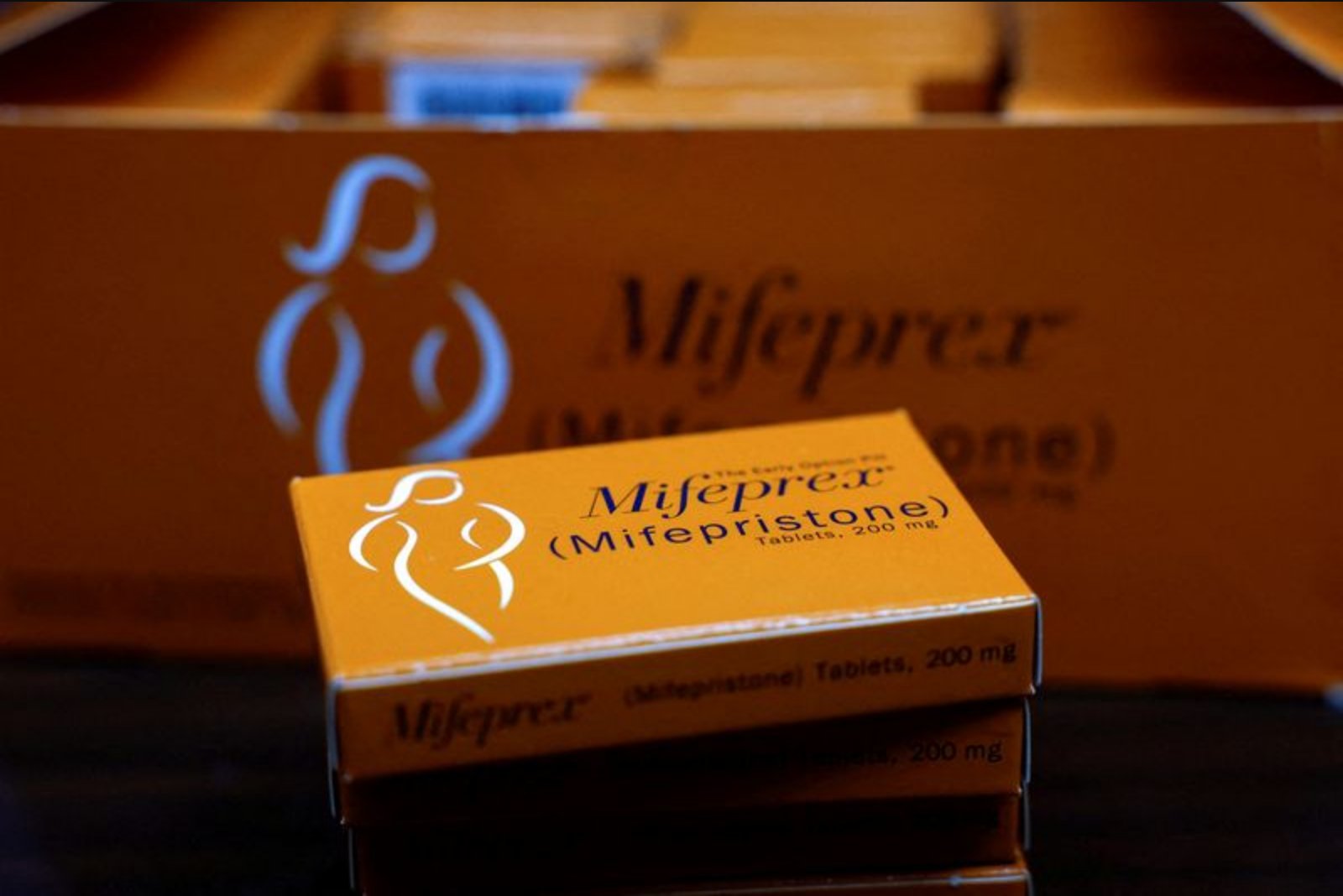
Two producers of mifepristone asked the U.S. Supreme Court on Saturday to undo a recent pause on mail-order deliveries that had been imposed by an appeals court the previous day. The requests from Danco Laboratories and GenBioPro aim to preserve nationwide access to a medication that is used in a majority of abortions in the United States while multiple legal challenges proceed.
The appeals court action - a unanimous decision by a conservative three-judge panel of the New Orleans-based 5th U.S. Circuit Court of Appeals - temporarily blocked deliveries of mifepristone and therefore sharply narrowed availability across the country, with the greatest impact in states that have banned abortion. The lower court ruling represents the first temporary curtailment of mifepristone access in a string of lawsuits contesting the drug’s initial approval in 2000 and later regulatory decisions intended to ease access.
In their filings to the Supreme Court, both manufacturers argued that suspending mail-order distribution injects confusion into time-sensitive medical decisions and forces manufacturers, providers, pharmacies and patients to operate without clear guidance about what is permissible. Danco emphasized the immediate practical consequences of the appeals court pause and pointed to its branded product, Mifeprex. GenBioPro reiterated its support for patient access and framed the dispute as one over access to safe, affordable, evidence-based care.
Mifepristone is typically used in combination with misoprostol to terminate pregnancies within the first 10 weeks, and is involved in roughly two-thirds of abortions in the United States. In 2023 the U.S. Food and Drug Administration removed a longstanding in-person dispensing requirement for the drug, concluding that the product remained safe and effective and that allowing remote prescribing and mail delivery would expand access.
The legal challenge before the 5th Circuit was brought by the Republican-led state of Louisiana, which argued the FDA had overlooked risks such as sepsis and hemorrhaging when it eased dispensing rules. Restricting access to mifepristone - including through telehealth visits with out-of-state providers - has been a stated priority for Louisiana and other Republican-led states that have banned abortion.
The appeal’s temporary pause follows earlier litigation steps. A U.S. district judge in April had paused Louisiana’s lawsuit pending the outcome of a federal review by the administration. GenBioPro said it remained concerned that opposition groups are attempting to undermine FDA regulatory authority. Other advocacy and legal organizations have issued statements warning that the recent pause represents a significant setback for women’s health.
The dispute over mail-order access exists alongside other legal contests. The Supreme Court in 2024 previously addressed a separate challenge to the mail-order rule brought by medical groups and doctors, concluding those plaintiffs lacked legal standing to pursue their suit. That case has since been advanced by Missouri, Kansas and Idaho and remains pending.
Industry structure details underline the stakes for manufacturers and suppliers. Mifeprex is the only product produced by Danco, while GenBioPro derives the bulk of its revenue from a generic mifepristone product. Another company, Evita Solutions, also produces a generic version.
The case is unfolding against a backdrop of broader political and regulatory activity. Republican President Donald Trump’s administration has signaled it is examining the safety profile of mifepristone, and reports indicate that any administrative review has been delayed until after the November midterm elections. Republican lawmakers are conducting their own inquiries into the drug. These parallel reviews and political dynamics add layers of uncertainty for stakeholders across the healthcare ecosystem.
For patients, pharmacies, telehealth providers, and clinical practices, the appeals court pause and ensuing legal maneuvering have immediate consequences for how and where people can obtain medication abortions. The filings with the Supreme Court ask the high court to restore the status quo on mail delivery while the underlying legal disputes continue, seeking to avoid further interruptions in access that could affect time-sensitive clinical decisions.
What remains unsettled
- The appeals court pause is temporary, and the ultimate disposition of the legal challenges could either reinstate or permanently alter the FDA’s mail-order policy.
- Administrative reviews and congressional inquiries into mifepristone’s safety are ongoing, and their outcomes are not yet known.
- The case also reflects deeper, state-level differences in approaches to abortion regulation, which will continue to shape access across different parts of the country.
The legal process will determine whether mail-order distribution of mifepristone resumes while litigation progresses, or whether more restrictive rules will remain in place. For now, manufacturers and providers have asked the Supreme Court to step in quickly to provide clarity and restore delivery pathways that have been relied upon since the FDA modified its dispensing requirements.