
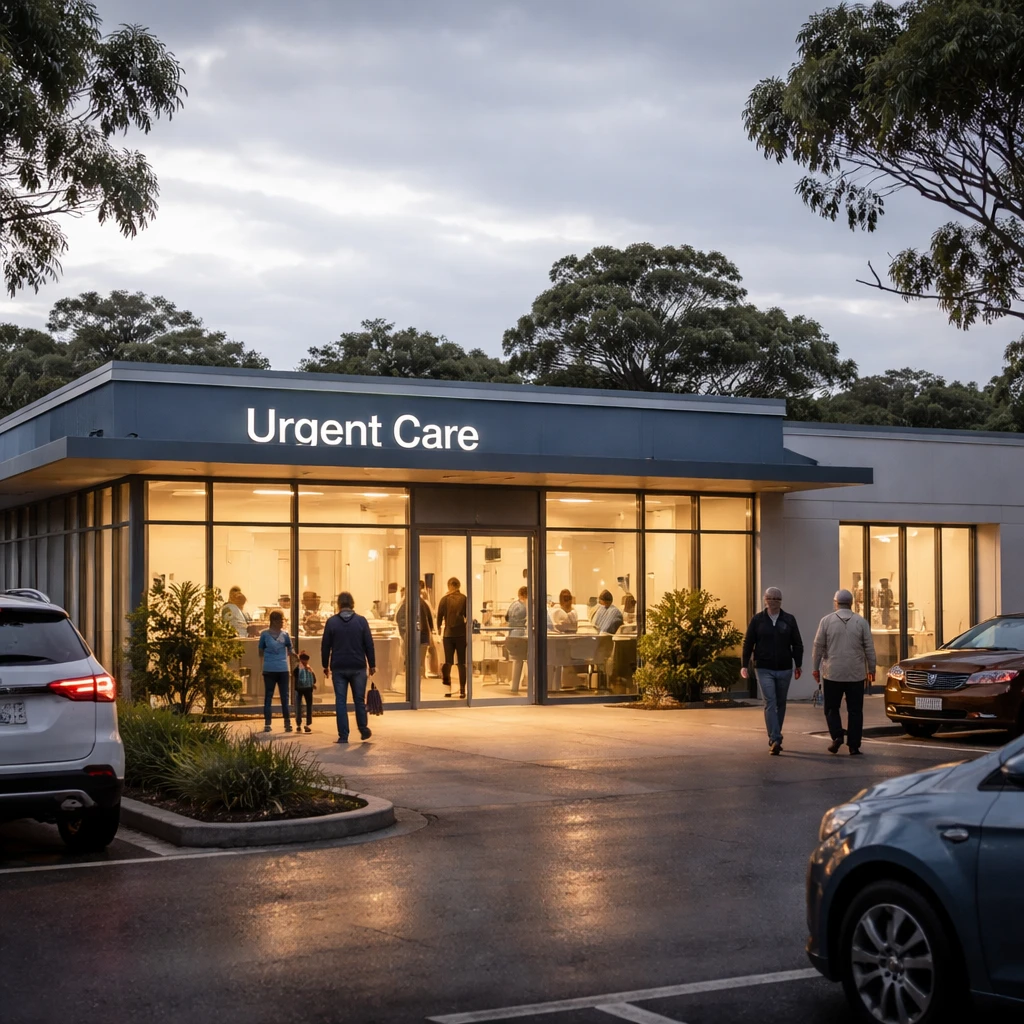
Prime Minister Anthony Albanese announced on Sunday that the forthcoming federal budget will include a substantial funding commitment to Medicare urgent care clinics, setting aside an additional A$1.8 billion over the next five years to cement the clinics as a permanent element of Australia’s health system.
The move signals a shift toward building long-term healthcare capacity under the Labor government, which has framed the expansion as part of efforts to deliver direct relief to households facing elevated living costs.
Since the first clinics opened in 2023, the government has supported the rollout of these facilities as an alternative to hospital emergency departments for non-life-threatening injuries and illnesses. There are currently 135 clinics operational. Government figures cited by officials show that around 45% of patients treated at these urgent care centres said they would otherwise have gone to emergency rooms or used ambulance services.
Prime Minister Albanese stressed that broadening the urgent care network is a priority because the clinics provide bulk-billed services, which can reduce out-of-pocket spending for families and ease cost-of-living pressures for households.
Fiscal backdrop
The funding pledge arrives as Treasurer Jim Chalmers prepares to present the federal budget on May 12. The government is managing significant upward pressure on spending, including ballooning costs in its flagship disability welfare program and a substantial increase in defence outlays.
Those rising expenditures come as the economy shows signs of slowing. Officials and markets are also watching external developments, with ongoing conflict in the Middle East cited in public briefings as a factor weighing on the economy. At the same time, expectations that the Reserve Bank of Australia will raise interest rates for a third straight meeting this Tuesday add to the financial headwinds facing policymakers.
Combined, these pressures are forcing the administration to weigh its social spending commitments against a widening budget shortfall that has emerged in recent years. As the May 12 budget date approaches, market participants are focused on how the government intends to finance the healthcare expansion without further enlarging the national deficit.
Operational aims and outcomes
The government’s case for the clinics rests on their operational aim to reduce strain on hospital emergency departments and ambulance services by diverting patients with non-critical conditions. By offering bulk-billed care, the clinics are presented as a direct mechanism to alleviate household health-related expenses.
Officials contend that the program has made progress toward that objective, pointing to the share of clinic users who would otherwise have sought emergency care as evidence of the policy’s effectiveness to date.
Outlook
While the funding commitment establishes urgent care clinics as a central element of the health system for the next five years, the government must reconcile that spending with concurrent fiscal demands, a slowing economic backdrop, and anticipated monetary tightening. How the Treasurer balances these competing priorities in the May budget will be watched closely by markets and health-sector stakeholders alike.