
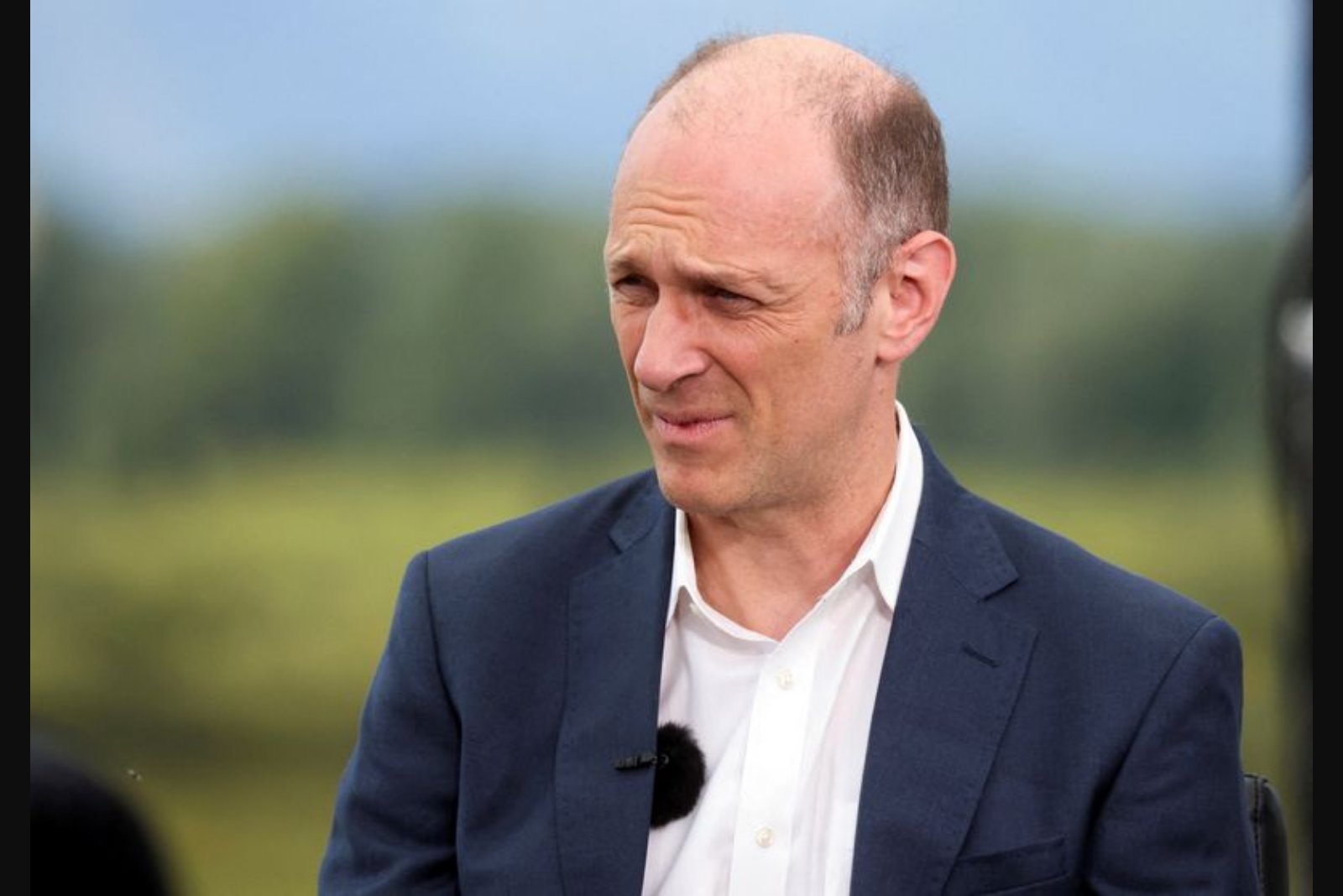
Chicago Fed President Austan Goolsbee said last week’s inflation report presents a clear reason for the Federal Reserve to exercise caution before moving to reduce interest rates. Speaking on Fox News’ "The Journal Editorial Report," Goolsbee described the data as "bad news" for the central bank and emphasized the need for reassurance that inflation is returning to the Fed’s 2% objective.
Goolsbee pointed to the Personal Consumption Expenditures price index - the Fed’s preferred inflation gauge - which showed a 3.5% annualized increase in March. That reading, he said, undercuts arguments for near-term rate cuts and means the central bank should wait for a demonstrable decline in inflation before loosening policy.
He stressed that inflationary pressures are not confined to areas directly affected by tariffs or energy price swings. "Inflation was rising even in service industries largely insulated from the impact of tariffs and rising oil prices due to the U.S.-backed war with Iran," Goolsbee said, noting that the composition of recent inflation readings "doesn’t look good."
Goolsbee is not among the Fed officials with a vote on interest rate policy this year. He previously dissented against a Fed rate cut in December, citing growing inflation risks at that time. Those risks, he said, have become more pronounced in recent weeks amid an uptick in oil prices.
Last week’s Federal Open Market Committee meeting produced a decision to keep the policy rate in the range of 3.5% to 3.75%. The vote was split 8-4, marking the most divided outcome since 1992. Three officials dissented specifically over language that suggested the central bank’s next move would most likely be a rate cut, signaling internal disagreement about providing forward guidance on the future path of policy.
Goolsbee commented that the narrow vote underscores the challenges the Fed faces when attempting to give guidance about where policy is headed. He said the split reflects the difficulty of balancing communication with evolving economic signals and that it prompted dissent from officials who nonetheless supported the actual decision to hold the policy rate.
On leadership at the central bank, Goolsbee welcomed Chair Jerome Powell’s decision to remain on the Board of Governors after incoming Chair Kevin Warsh is confirmed by the Senate. He said he was glad Powell would continue to offer his perspective in a governor role and expressed interest in seeing the contributions Warsh will make once he joins the Board.
"I like (Powell) quite a lot. I will be happy he is going to switch to a governor’s seat but still be there. He has been judicious and he has insights," Goolsbee said. He added he was "excited to see [Warsh] come in and see what mark he is going to make."
Clear summary
Goolsbee described March’s 3.5% PCE inflation reading as negative for the Fed’s prospects for cutting rates, highlighted inflationary breadth including in services, noted the FOMC’s split 8-4 hold decision, and welcomed continuity from Powell alongside the incoming Warsh.