
Summary
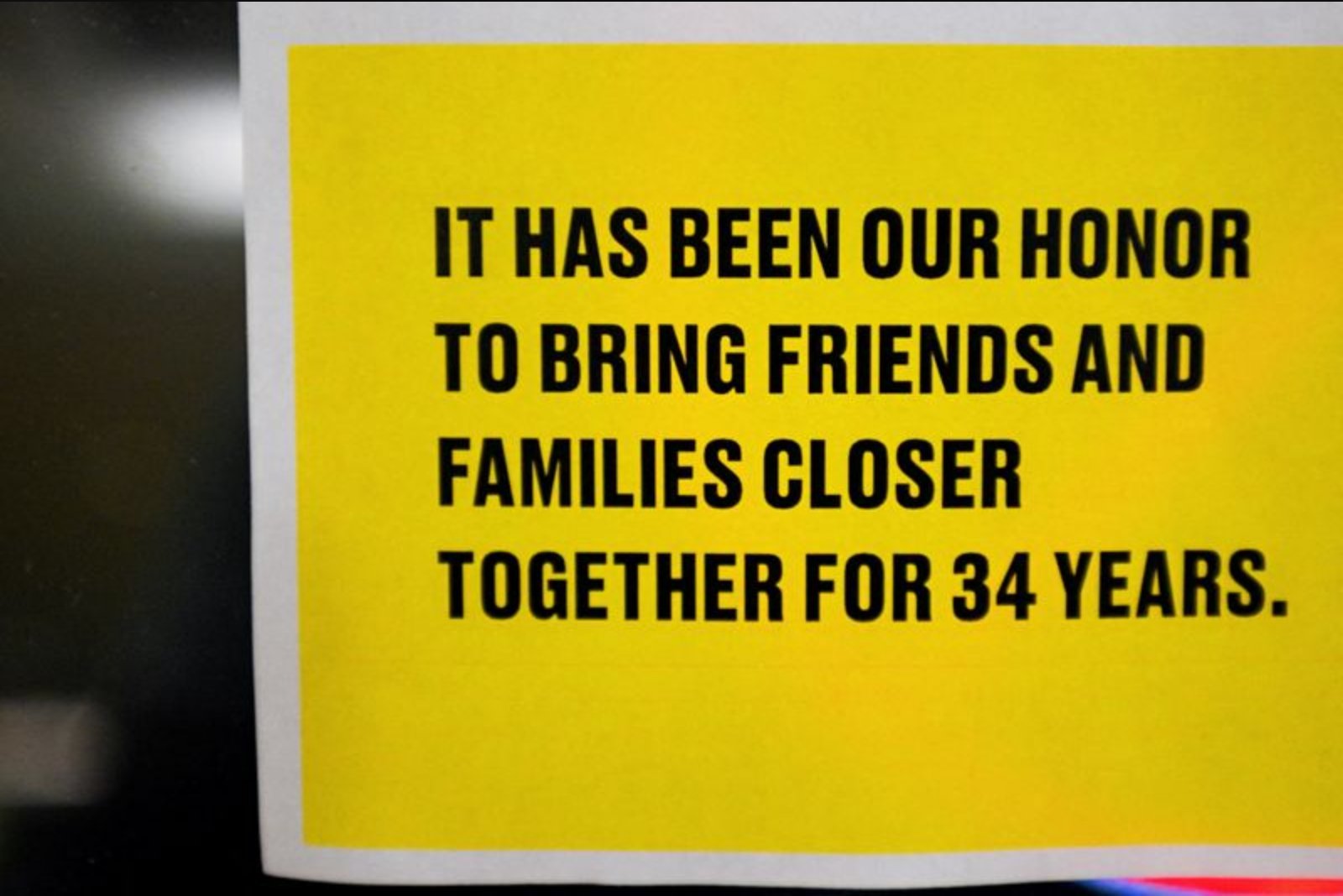
Spirit Airlines abruptly stopped flying on Saturday night, cancelling flights and leaving travelers and employees displaced across the U.S., the Caribbean and Latin America. Known for minimal onboard amenities and some of the lowest fares in the U.S. market, Spirit had served as an accessible option for low-income and working-class Americans. The carrier's financial difficulties, including a sharp rise in jet fuel prices tied to the Iran war, contributed to the shutdown. In the immediate aftermath, other U.S. airlines offered temporary fare relief and planned new routes to fill some of the capacity left by Spirit.
What happened and who is affected
Spirit - which began commercial operations in the early 1990s - grounded its network overnight, producing a wave of cancellations at airports ranging from major hubs to leisure destinations. Digital departure displays at airports such as Orlando International showed numerous cancelled flights to cities including Nashville and San Juan, Puerto Rico. The shutdown left passengers and airline staff stranded in multiple regions and created abrupt disruptions for planned travel.
Social media platforms became a place where former Spirit flyers and employees voiced frustration and regret. On Reddit, users described the airline as a crucial, low-cost alternative. One user, AioliUpset7805, wrote that Spirit was "one of the last cheap - 'get me there as fast and cheap as possible' - options," adding "I'll miss them." Another poster, BigBubby305, noted that for some families the price difference between Spirit and legacy carriers like Delta and American could exceed $1,000 for a set of tickets, and speculated that many family vacations could now be out of reach.
Current and former employees also responded. A Reddit user who identified as a Spirit pilot, Coryntrevors, wrote they had taken pride in enabling travel for those who otherwise could not afford it and described the shutdown as profoundly saddening.
Operational and market responses
With Spirit's network halted, a number of other U.S. carriers moved to absorb some displaced demand. Frontier, JetBlue and Southwest announced discounted fares and plans for new summer routes. Legacy carriers such as Delta and American Airlines offered temporarily lowered fares to former Spirit passengers as well. Aviation analytics firm Cirium had shown Spirit with more than 4,000 domestic flights scheduled through May 15, underscoring the immediate gap in capacity created by the airline's collapse.
The airline's minimalist service model - charging for items such as bottled water and limiting seat recline - had helped it deliver extremely low headline fares. While those practices were often the subject of online jokes and memes, they were also central to Spirit's appeal for travelers prioritizing price above onboard amenities.
Cost pressures cited
The article notes that rising jet fuel prices, which had recently doubled, were among the financial pressures Spirit faced. These higher fuel costs have pushed up operating expenses for carriers and are expected to add to the cost burden for American travelers. The article links the spike in jet fuel prices to the U.S.-Israeli war against Iran, and identifies that factor as a contributor to the carrier's deteriorating financial position.
Implications for travelers and the market
Observers and affected passengers emphasized the social and economic consequences of losing a deeply discounted carrier. Many low-income and working-class travelers relied on Spirit to make family travel, visits to distant relatives, and affordable vacations feasible. The sudden disappearance of that low-cost channel may reduce options for these groups and could lead to higher fares where alternative carriers do not expand capacity quickly enough.
At the same time, several airlines have signaled a willingness to offer temporary price relief and to adjust schedules to capture some of the displaced traffic, but it is unclear how much of Spirit's route network and price-sensitive customer base will be absorbed and on what timeline.
Quotes from passengers and employees
"They truly were one of the last cheap - 'get me there as fast and cheap as possible' - options," wrote Reddit user AioliUpset7805.
"I can only imagine how many millions of families (there are) out there where vacations are now out of reach," wrote Reddit user BigBubby305.
"I always took great pride in knowing we were saving people money and allowing those to travel who couldn’t afford to otherwise," wrote Reddit user Coryntrevors, who said they piloted Spirit’s signature bright yellow Airbuses out of Las Vegas for over a decade.
Concluding note
The abrupt cessation of Spirit's operations removed a major ultra-low-cost option from the U.S. market overnight, creating immediate disruption for travelers and staff and reducing low-fare choices for budget-conscious consumers. Other carriers have moved quickly to offer relief and fill gaps, but the long-term effects on affordable air travel and the pace at which capacity is restored remain uncertain.