
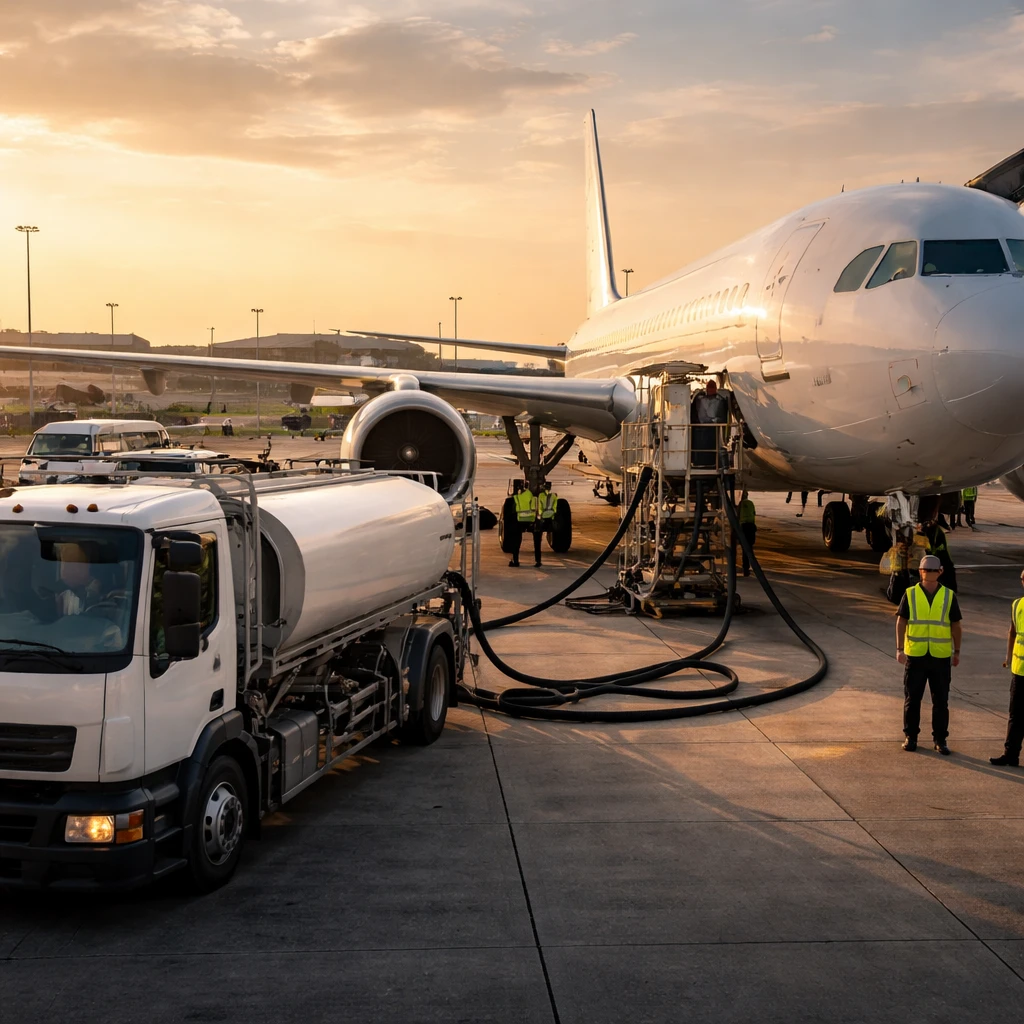
Jet fuel in Europe has climbed to between $1,500 and $2,000 per ton in the wake of conflict in the Middle East, according to a recent Bernstein report. That range represents a more than twofold increase compared with levels before the attacks on Iran last month, the report says.
Fuel typically accounts for between 20% and 40% of airline revenues, creating a sizeable vulnerability for carriers as prices surge. Bernstein cautions that, absent substantial fare increases or relief from prior hedging positions, the industry risks being pushed into operating losses.
Although a number of airlines have announced fare increases, Bernstein notes that directly passing higher fuel costs to customers is not straightforward. Modern airline revenue management systems aim to extract the maximum from customers based on willingness to pay, rather than simply tracking input costs. That dynamic complicates immediate, cost-driven price adjustments across networks.
The impact of elevated fuel depends heavily on two factors: an airline's hedging position and the strength of its balance sheet. Bernstein identifies Ryanair and Lufthansa as the most protected among the carriers surveyed, with hedge ratios for 2026 of roughly 80% and 77%, respectively. By contrast, IAG and Air France-KLM are cited as more exposed, each holding hedge ratios nearer to 62%.
Balance sheet differences further differentiate resilience. Ryanair and easyJet are described as maintaining advantageous net cash positions. Conversely, Air France-KLM and Wizz Air face greater pressure due to significant leverage, increasing their vulnerability to sustained fuel-cost inflation.
Capacity cuts emerge as the primary stabilizing mechanism
Bernstein argues that reducing capacity is the principal way airlines can protect margins when fuel costs spike. The logic is straightforward: carriers withdraw unprofitable flights, removing lower-priced seats from the market and thereby tightening supply. The resulting scarcity tends to push average fares higher without requiring uniform, direct fare increases on every route.
Concrete examples of this dynamic are already visible. United Airlines has trimmed its growth plans by 5%, while Delta and Lufthansa have scaled back growth forecasts by 3.5% and 1%, respectively. These actions illustrate how carriers can respond on the supply side rather than relying solely on instantaneous fare adjustments.
The report also differentiates market segments. In long-haul markets, the North Atlantic is portrayed as the most rational market, where capacity typically adjusts in step with fuel costs. By contrast, Middle Eastern carriers often continue expansion plans despite higher fuel prices, driven by strategic national objectives rather than short-term fuel economics.
As high fuel prices persist, Bernstein expects the competitive landscape to widen. Lower-margin, higher-leverage airlines may be forced into deeper capacity reductions, while better-hedged and lower-cost peers such as IAG and Ryanair are positioned to benefit from superior unit economics.