
OPEC+ delegates have agreed in principle to a restrained uptick in production targets for June, with seven member countries consenting to a combined boost of about 188,000 barrels per day. The step, which would be the third consecutive monthly increase, is intended to demonstrate the group's readiness to augment supplies once disruptions in the Gulf subside.
The seven participants set to meet on Sunday are Saudi Arabia, Iraq, Kuwait, Algeria, Kazakhstan, Russia, and Oman. Their planned target rise comes as the United Arab Emirates departs the OPEC+ arrangement this week; the grouping still comprises 21 members including Iran. In practice, however, recent monthly production decisions have involved only these seven nations plus the UAE.
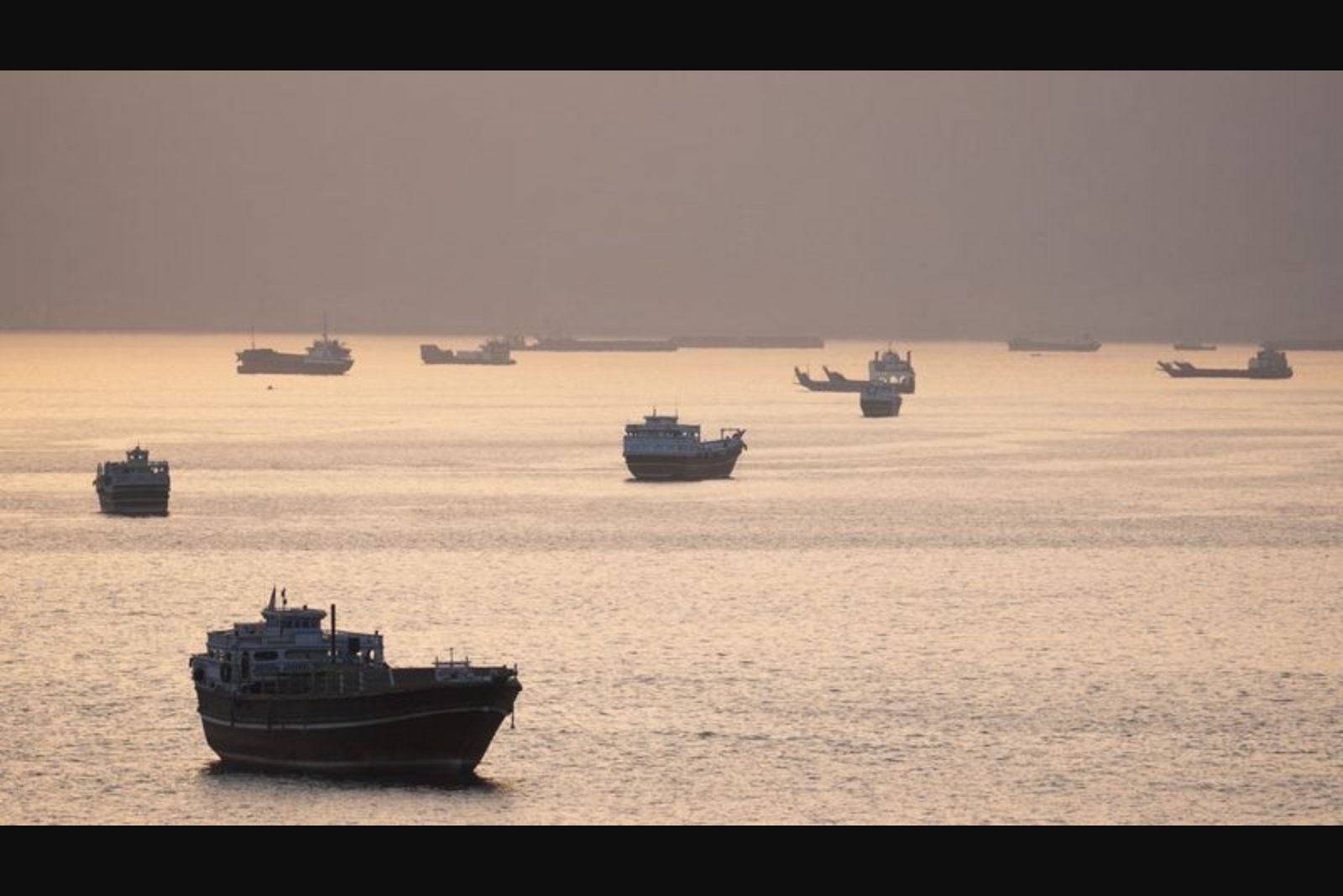
The limited nature of the planned hike reflects the prevailing reality: the conflict between the United States and Iran, which began on February 28, has led to the closure of the Strait of Hormuz and has throttled exports from major Gulf producers. The closure has constrained outbound flows from Saudi Arabia, Iraq, Kuwait and the UAE - the very producers that, before the conflict, were the only countries in the group capable of materially increasing output.
Industry participants say the announced increase will be largely symbolic while shipping through the Strait of Hormuz remains halted. Even after passage reopens, oil executives from the Gulf and global oil traders caution that it could take several weeks if not months for flows to return to normal levels.
The disruption has already driven crude to multi-year highs. Oil climbed above $125 per barrel this week, reaching its highest levels in four years amid analyst warnings that widespread jet fuel shortages could emerge within one to two months and that global inflation may accelerate as a result.
Data reported last month showed crude output across all OPEC+ members averaged 35.06 million barrels per day in March, down 7.70 million bpd from February. The report noted Iraq and Saudi Arabia accounted for the largest reductions, reflecting constrained export capacity linked to the ongoing closure of critical shipping lanes.
Context and purpose - The proposed June quota increase serves primarily as a signal that OPEC+ is prepared to add supply once logistical and security impediments in the Gulf are resolved, rather than as an immediate tool to alleviate market tightness.
Who is involved - The seven nations directly involved in the weekend discussions are Saudi Arabia, Iraq, Kuwait, Algeria, Kazakhstan, Russia, and Oman. The UAE has exited the grouping, and the wider OPEC+ membership stands at 21 countries including Iran.