
Overview
Inside a brightly lit, open-plan office in Ashgabat, Azat Seyitmuhammedov manages Wabrum, an e-commerce company he founded almost a decade ago. The scene - technology-driven retail operations, a distribution warehouse and couriers delivering goods across the country - would be commonplace in major Western tech hubs. In Turkmenistan, however, it represents something new: one of a small but growing band of private businesses finding ways to operate within a tightly managed national framework.
Seyitmuhammedov, 38 and a father of six, describes the venture as pioneering. From an on-site warehouse his couriers deliver largely Turkish-made clothes and shoes to customers across the former Soviet republic. The business underlines a gradual shift in commercial activity away from exclusively state-managed channels toward privately run, consumer-facing enterprises.
Political and economic context
Since independence from Moscow in 1991, Turkmenistan established a policy of strict neutrality and adopted one of the most restrictive visa regimes in the world. The system of limited engagement with outsiders remains largely in place two decades after the death of the country’s long-time leader. Officials present restrictions as necessary responses to regional security concerns, including the risk of militant ideology and drug trafficking from neighbouring Afghanistan.
The capital, Ashgabat, was rebuilt as a marble-clad showcase financed by the country’s substantial natural gas reserves, which are among the largest globally. While the visible trappings of state power and centralized control have persisted under successive presidents, there have been measured signs of change in recent years. Since 2022, when Serdar Berdymukhamedov succeeded his father as president, authorities have publicly signalled intentions to make practical economic reforms - simplifying the visa regime, joining the World Trade Organization and diversifying an economy that remains primarily state-run.
Diplomatic outreach has also increased at the presidential level, with the new administration travelling more frequently abroad than predecessors. Some foreign diplomats in Ashgabat note a generational shift within the ruling elite and modest improvements in personal freedoms. Nevertheless, significant barriers for foreign investors persist. The country operates both official and unofficial exchange rates for the US dollar, and political decision-making remains opaque. Among the international companies active there, Turkish firms predominate, supported by linguistic ties and an established diaspora in Turkey.
Social change outside politics
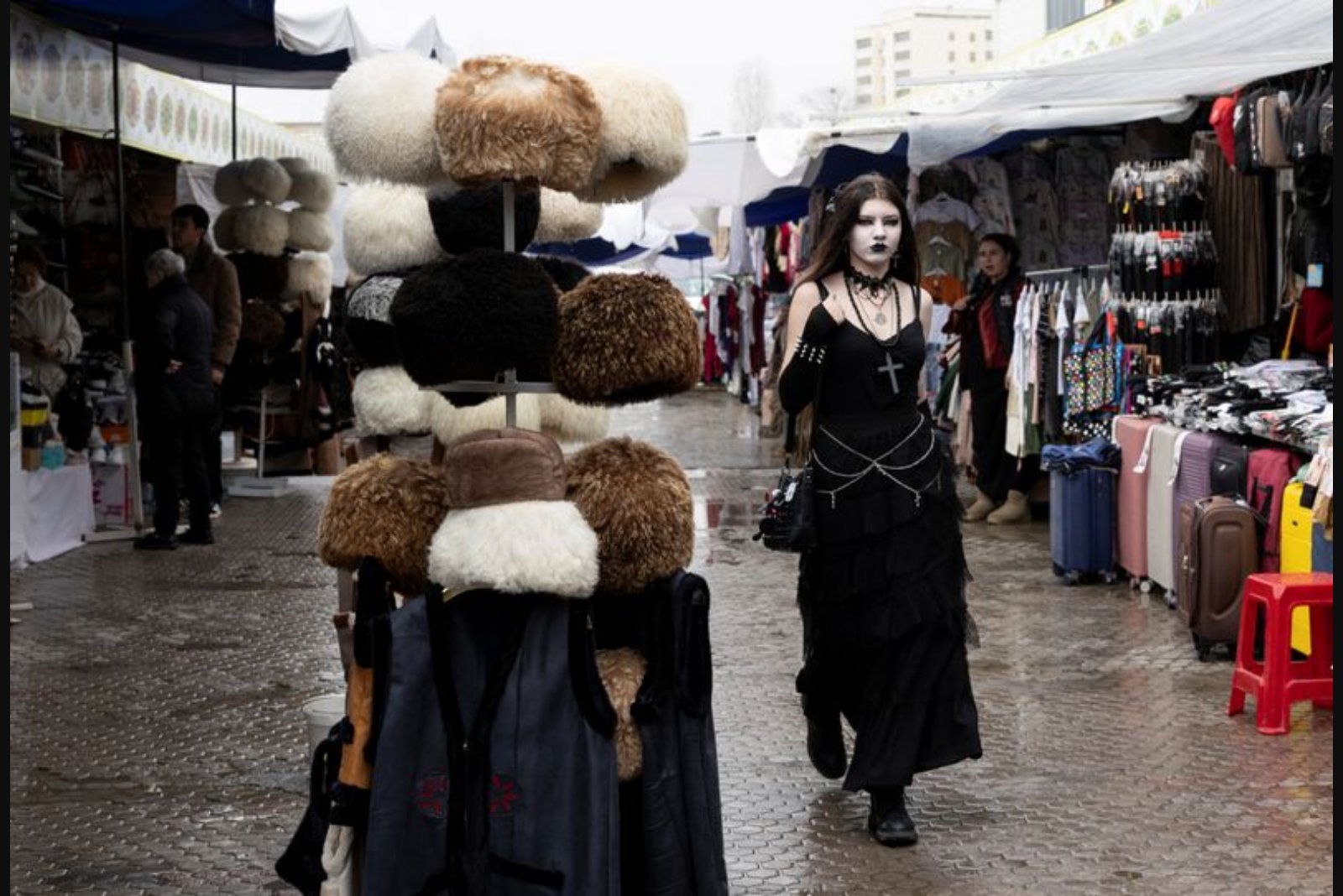
Beyond the corridors of power, everyday life appears to be evolving, particularly online and in urban leisure activities. Internet penetration remains relatively low, and connectivity is slow and heavily censored by authorities who say restrictions are needed to prevent the spread of militant ideology. Despite those limits, social media platforms such as Instagram and TikTok - although officially blocked - have become more visible through the use of VPNs.
In Ashgabat’s upscale shopping centres, teenagers record short dance routines on smartphones, and the influence of global social networks is apparent among younger cohorts. One local influencer, Enejan Velmuradova, began using Instagram in 2020 to market a travel agency. In a city-centre office decorated with social media certificates and travel mementos, she said she welcomed the perception that Turkmenistan is slowly shedding its stereotype as an entirely closed society. Her business coordinates holidays for wealthier Turkmens to destinations in Europe and Southeast Asia, indicating a small but growing market for outbound travel among affluent citizens.
Sport and cultural activities are also reflecting broader social currents. Muhammet Bayramgulyyev runs breakdancing classes in a new studio and says the activity, once underground and seen only on cassette tapes and television, is now mainstream. He described oversubscribed classes and ambitions for Turkmen athletes to compete at regional and global levels, including Asian and world championships, and expressed hope for eventual Olympic participation.
Implications for markets and sectors
The developments described by local entrepreneurs and cultural figures suggest nascent opportunities in consumer-facing industries: e-commerce and retail, travel services aimed at wealthier citizens, and digital media content creation. Turkish companies, which already have a visible presence, continue to play a dominant role in the business landscape due to cultural and linguistic connections.
Nevertheless, structural challenges remain. Heavy censorship and slow internet speeds constrain the potential scale of online businesses. Currency controls and an opaque political environment add layers of risk for foreign investors and limit the pace at which private enterprise can expand beyond niche or well-connected players.
What remains uncertain
Observers inside the country point to generational change and modest liberalization in daily life. But public policy and state economic structures have not been fundamentally altered in ways that would immediately transform the investment climate. For now, private initiatives like Wabrum and social-media-driven enterprises operate alongside entrenched state control rather than replacing it.
The combination of cautious political reforms, social openings enabled by technology, and continuing institutional constraints defines the current moment - an incrementally changing society within a still tightly regulated state framework.