
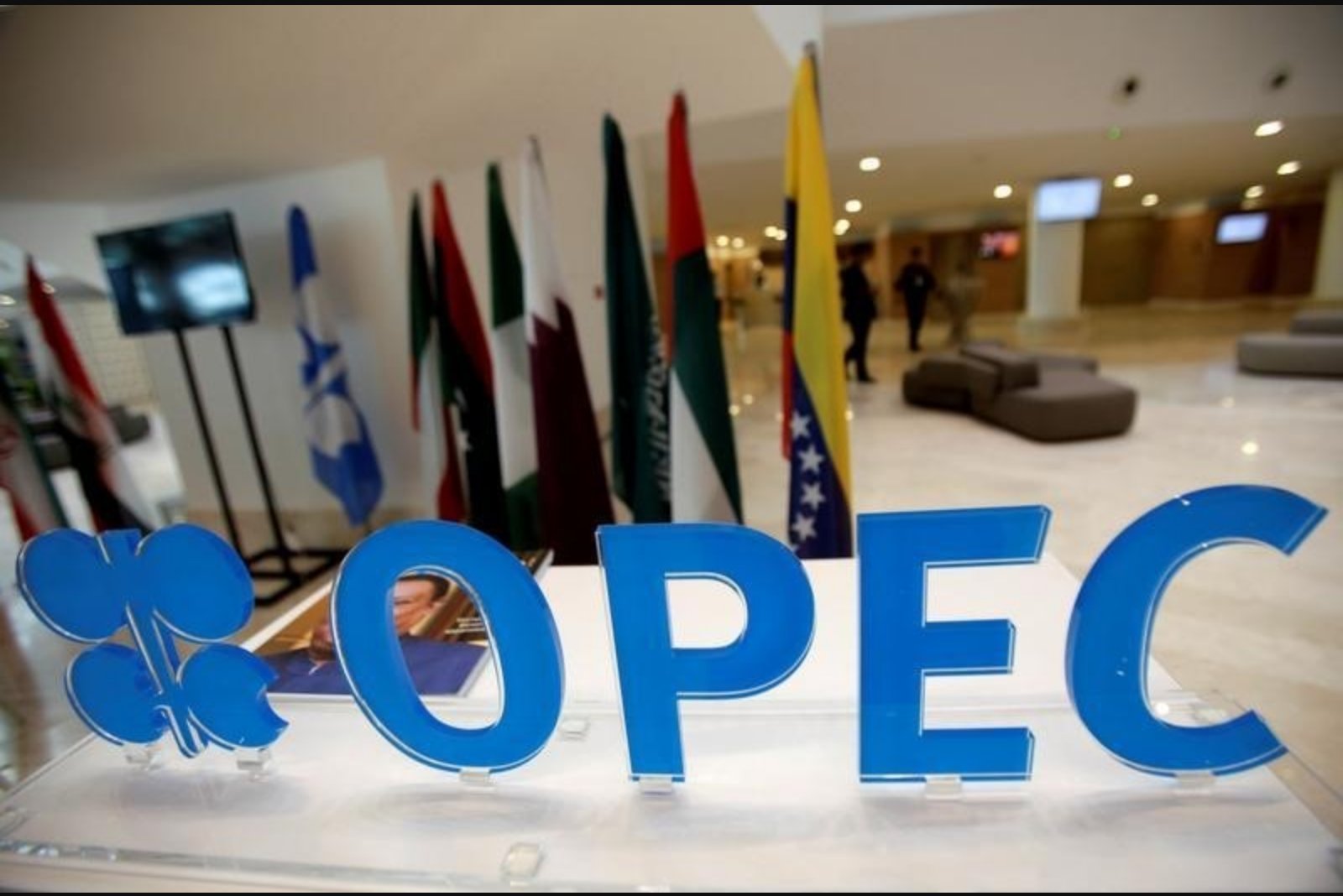
The United Arab Emirates has officially notified that it will leave the Organization of the Petroleum Exporting Countries, with the departure taking effect on 1 May 2026. The decision, described by UAE Energy Minister Suhail Al Mazrouei as a "strategic imperative" to secure "unfettered flexibility" in the country’s longer-term energy strategy, follows what analysts describe as protracted disputes over output targets and an environment of elevated regional tensions.
Analysts at UBS characterise the exit as a watershed moment in oil diplomacy, but they caution that the immediate influence on global crude prices is likely to be modest. Those expectations of a muted initial market reaction are tied to present logistical limits on exports, notably bottlenecks around the Strait of Hormuz, which restrict the ability to deliver a rapid, large-scale increase in seaborne supply.
That said, UBS warns of "significant downside risks to oil prices in the medium term" as the UAE moves to commercialise substantial investments in its production infrastructure. The country currently lists a productive capacity of 4.5 million barrels per day (Mb/d), well above its recent output level of 3.6 Mb/d, and has set a plan to increase capacity to 5 Mb/d by 2027.
Once freed from OPEC+ quota constraints, the UAE would be able to scale up output as logistical impediments are resolved. UBS highlights that the UAE holds roughly 25% of OPEC’s total spare capacity, a concentration the report calls "a fundamental challenge to the group’s market-balancing mechanism" should Abu Dhabi choose to deploy that spare capacity aggressively.
Economic outlook and GDP implications
Oil-related activity accounts for about 25% of the UAE’s overall GDP. The exit provides a framework for potential future growth in the hydrocarbon sector, but near-term prospects are complicated by the regional conflict environment. Following a 5.1% expansion in oil GDP in 2025, analysts forecast a modest setback in 2026, with production projected to reach 3.65 Mb/d by the fourth quarter of that year.
Projections anticipate a 6% rebound in oil GDP for 2027 as the UAE begins to exercise its greater production autonomy. UBS notes a hypothetical high-growth scenario in which the country pushes aggressively toward its 5 Mb/d target; in that case, oil GDP could increase by more than 20%. At the same time, the report expects that policy makers are likely to pursue a "measured and market-conscious approach" to expansion in order to avoid precipitating a substantial collapse in prices.
Overall, the announcement reshapes the architecture of spare capacity within OPEC and introduces a new variable for market participants watching supply-side developments, logistical constraints, and the pace at which Abu Dhabi translates capacity into exports.