
World May 2, 2026 06:25 PM

Kim Elevates Young People as Central to State Mobilisation and Overseas Military Role

Pyongyang frames youth league as the vanguard of party aims amid reports of troop deployments to Russia

By Ajmal Hussain
Kim Elevates Young People as Central to State Mobilisation and Overseas Military Role

North Korean leader Kim Jong Un met delegates to the ruling party’s youth league congress in Pyongyang as the government highlighted the role of young people in domestic mobilisation and in deployments tied to Russia’s war in Ukraine. The Eleventh Congress of the Socialist Patriotic Youth League wrapped up with mass rallies and cultural events, while official statements and recent actions linked youth loyalty to military service overseas and a broader campaign to tighten ideological control.

Key Points

  • North Korean leader met delegates at the Eleventh Congress of the Socialist Patriotic Youth League, which targets citizens aged about 14 to 30 and concluded with rallies, torchlight parades and a gala - sectors impacted: social policy and domestic governance.
  • State messaging framed youth as the "vanguard" for implementing party decisions and linked youth loyalty to overseas military operations connected to Russia's war in Ukraine - sectors impacted: defence and geopolitical risk.
  • Estimates from South Korean, Ukrainian and Western officials say roughly 14,000 North Korean troops were sent to the Kursk region and that over 6,000 died; a new memorial in Pyongyang honours those killed - sectors impacted: defence, memorialisation and state propaganda.

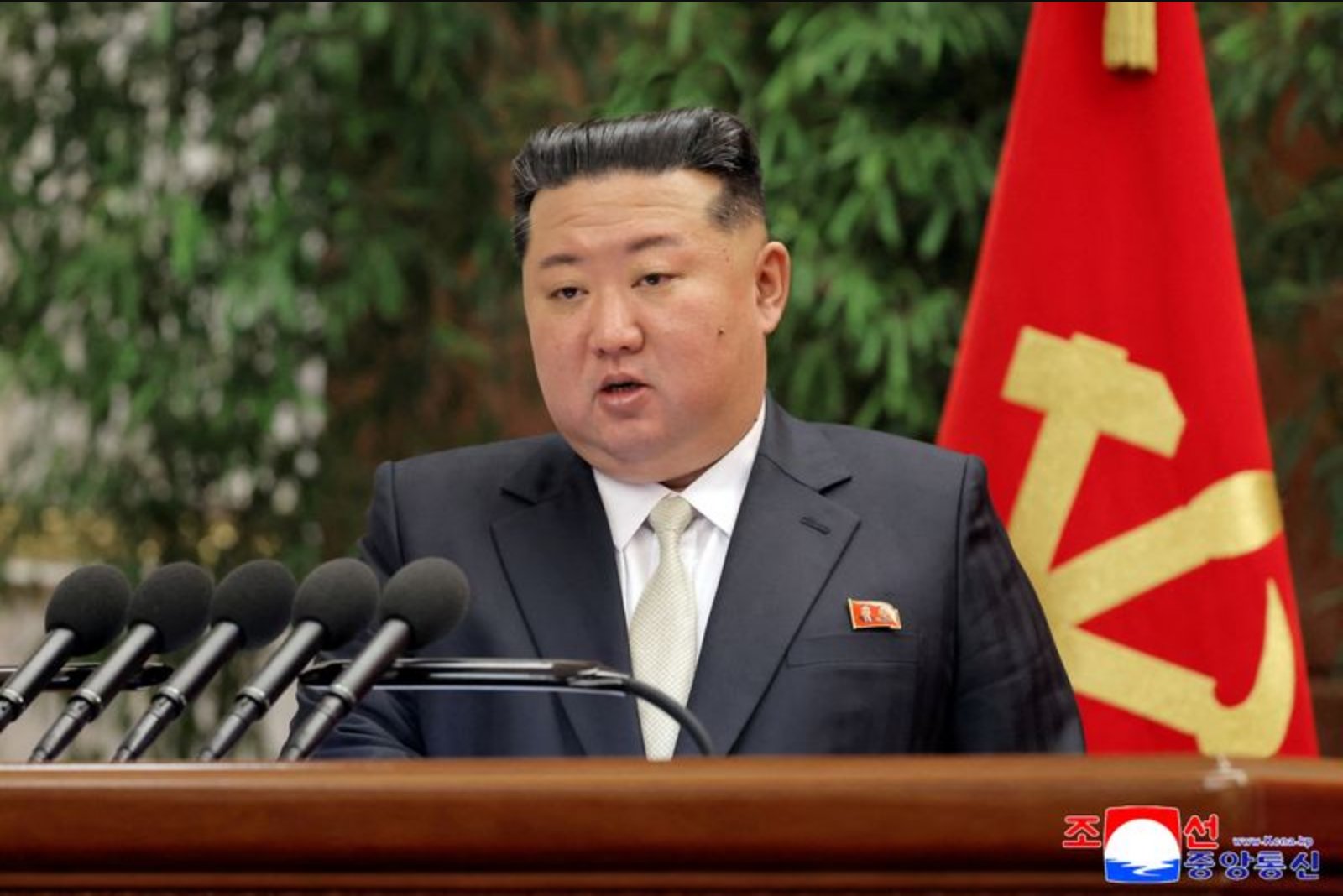
SEOUL, May 3 - North Korea’s leader met with delegates from the ruling party’s youth league in Pyongyang, state media reported, reinforcing the government’s framing of young people as central to both internal mobilisation and the country’s military footprint connected to Russia’s war in Ukraine.

The Eleventh Congress of the Socialist Patriotic Youth League, a political gathering held every five years and focused on citizens roughly 14 to 30 years old, concluded last week in the capital. The event included mass rallies, torchlight parades and a gala, according to state accounts.

Kim told delegates that youth were the "vanguard" charged with advancing state goals, describing the league as a critical instrument for carrying out party decisions. He called for tighter organisation and stronger ideological discipline among members and posed for a group photograph with participants, state media said.

In a letter published on Friday, the ruling Workers' Party explicitly tied youth loyalty to Pyongyang’s involvement in the Ukraine conflict, stating that young soldiers sent on overseas operations had "become bombs and flames" in defending the country’s honour.

Officials from South Korea, Ukraine and Western countries have estimated that North Korea deployed about 14,000 troops to fight alongside Russian forces in the Kursk region, and have reported that more than 6,000 North Korean soldiers were killed. In response to those losses, Kim last month unveiled a new memorial in Pyongyang to honour soldiers killed during those overseas deployments.

The heightened focus on controlling youth behaviour has coincided with intensified repression of foreign cultural influence. Exposure to South Korean music, films and slang is being treated as a serious political offence, part of an approach that leaders present as essential to social stability.

As part of projecting a family-oriented image tied to the succession narrative, Kim has increasingly appeared in public with his young daughter, believed to be named Ju Ae, at major state events.

The official messaging from the youth congress and recent state actions present a consistent picture: Pyongyang is positioning the Socialist Patriotic Youth League as both a domestic stabiliser and a pool of personnel linked to overseas military operations. The combination of public ceremonies, ideological exhortations and memorialisation of fallen troops underscores the priority placed on securing youth loyalty.


Note: Where the public record is limited, the reporting reflects statements and estimates published by state media and cited officials without introducing additional attribution or interpretation.

Risks

  • Continued mobilisation and ideological tightening among youth could deepen social control measures, affecting cultural and consumer sectors that rely on youth engagement - markets impacted: media and entertainment.
  • Reported deployment of thousands of troops abroad and high casualty estimates increase geopolitical tensions and defence-related uncertainty - markets impacted: defence contractors and regional security-sensitive investments.
  • Intensified repression of foreign cultural influence may reduce cross-border cultural exchange and limit market demand for foreign media and related goods - markets impacted: entertainment, telecommunications and consumer media.

More from World

U.S. Secretary of State Rubio to Visit Vatican and Italy Amid Diplomatic Frictions May 3, 2026 Northern Territory Man Charged with Murder of Indigenous Child After Alice Springs Unrest May 2, 2026 Taiwan President Makes Unannounced Visit to Eswatini Despite Beijing Objections May 2, 2026 Iran Proposes Opening Strait and Pausing Nuclear Talks; Trump Voices Dissatisfaction but Favors Non-Military Option May 2, 2026 Taiwan’s President Reaches Eswatini After Earlier Trip Was Blocked, Cites Chinese Pressure May 2, 2026