
Politics May 1, 2026 04:47 PM

Appeals Court Temporarily Halts Mail Dispensing of Mifepristone

5th U.S. Circuit issues interim block on 2023 rule removing in-person dispensing requirement, narrowing access nationwide

By Leila Farooq
Appeals Court Temporarily Halts Mail Dispensing of Mifepristone

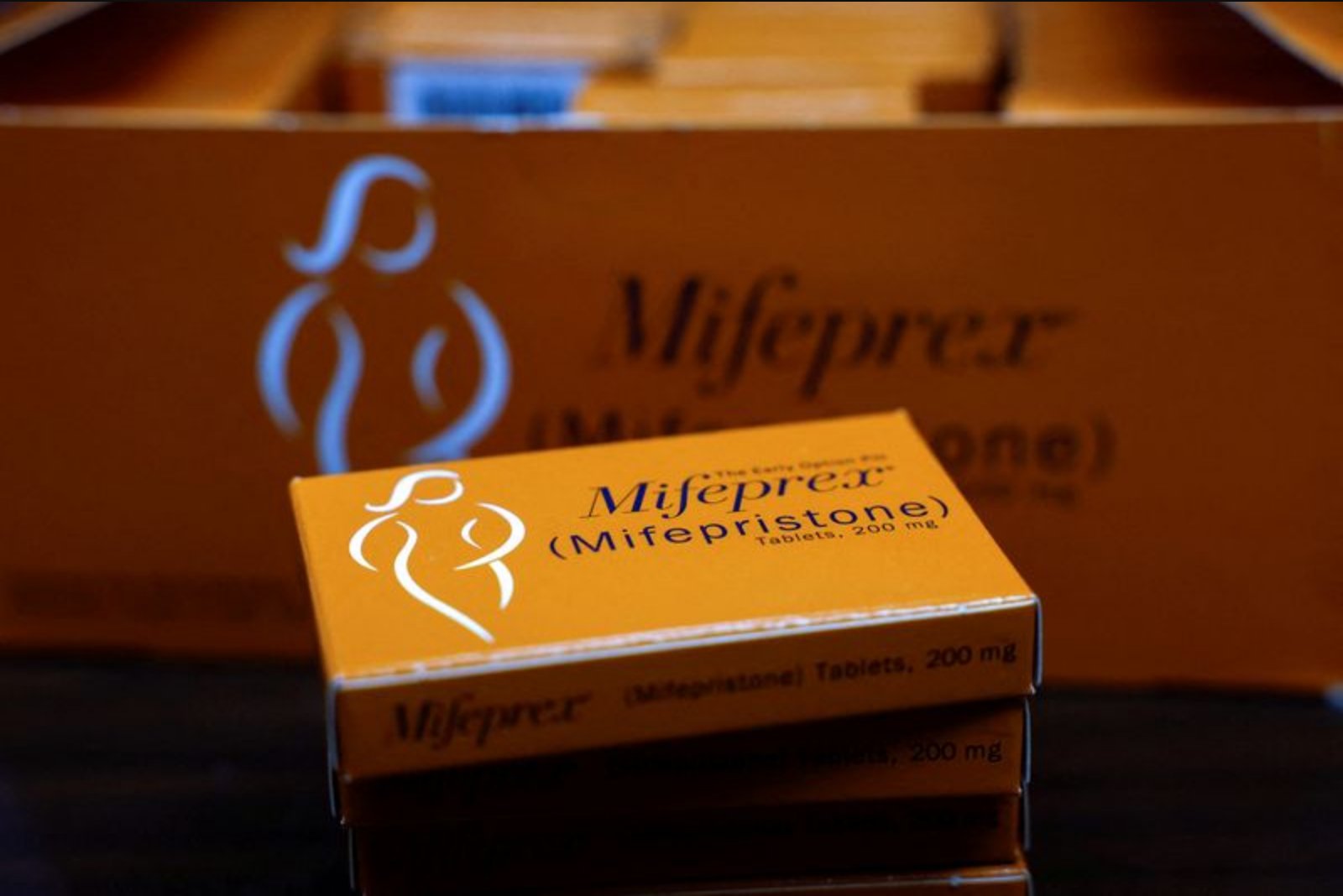
On May 1, a panel of the 5th U.S. Circuit Court of Appeals temporarily enjoined a federal regulation that had allowed the abortion medication mifepristone to be delivered by mail. The decision, which stems from a challenge brought by the state of Louisiana, curtails access to the drug across the United States and is especially consequential in states that have enacted abortion bans. The contested 2023 rule, adopted under Democratic former President Joe Biden’s administration, eliminated a prior requirement that the drug be dispensed in person. The appeals court said Louisiana was likely to succeed on the merits of its challenge. This temporary order is the first ruling in a string of lawsuits to substantially restrict access to mifepristone since its initial approval in 2000.

Key Points

  • A 5th U.S. Circuit Court of Appeals panel temporarily halted a 2023 federal rule that allowed mifepristone to be mailed, citing Louisiana's likelihood of prevailing in its challenge.
  • The injunction restricts mail-order access to the drug across the United States and is particularly consequential for states that have banned abortion.
  • The 2023 regulation removed the prior in-person dispensing requirement for mifepristone; the drug was initially approved in 2000.

On May 1, a three-judge panel of the 5th U.S. Circuit Court of Appeals in New Orleans issued a temporary injunction that prevents a federal regulation from being implemented which had permitted the abortion drug mifepristone to be dispensed through the mail.

The court said the state of Louisiana is likely to prevail in its legal challenge to the 2023 rule. That regulation, adopted by the administration of Democratic former President Joe Biden, removed a prior condition requiring that mifepristone be handed to patients in person.

Although the appeals court emphasized the temporary nature of its decision, the order represents the first time in a series of lawsuits contesting the drug's regulatory pathway that access to mifepristone has been significantly limited. The litigation tracks back to the drug's initial approval in 2000 and subsequent regulatory steps intended to broaden access.

The injunction constrains mail-order distribution of mifepristone nationwide and is likely to have immediate consequences in states where abortion has been restricted or banned. By blocking the 2023 rule, the court effectively reinstates the in-person dispensing requirement while the legal challenge proceeds.

Legal observers and healthcare stakeholders will be watching how lower courts and regulators respond to the 5th Circuit's interim order, and whether this temporary block becomes the basis for more lasting restrictions as the case advances. For now, the ruling narrows one pathway through which patients had been obtaining the medication since the 2023 change.

Because the order is an interim ruling, it does not resolve the underlying dispute over the 2023 regulation or the broader series of lawsuits concerning mifepristone's approval and subsequent regulatory modifications. Further proceedings will determine whether the court's assessment that Louisiana is likely to prevail is borne out as the litigation unfolds.


Context preserved from the ruling:

  • The 5th U.S. Circuit Court of Appeals issued a temporary block on May 1.
  • The state of Louisiana brought the challenge to the 2023 rule.
  • The 2023 rule, adopted under Democratic former President Joe Biden’s administration, removed an in-person dispensing requirement for mifepristone.
  • Mifepristone was initially approved in 2000.

Risks

  • The temporary nature of the appeals court order creates uncertainty about long-term access to mifepristone while litigation continues - this impacts healthcare providers and pharmaceutical distributors.
  • Ongoing legal challenges in a series of lawsuits could produce further restrictions or reversals, affecting mail-order pharmacies and patient access in states with abortion bans.
  • Regulatory uncertainty may disrupt distribution channels and planning for manufacturers and pharmacies that had adjusted to the 2023 rule allowing mail dispensing.

More from Politics

Defense Seeks Removal of Suicide Precautions for Man Accused in White House Dinner Shooting May 2, 2026 Republican Armed Services Chairs Warn Over Planned Withdrawal of 5,000 U.S. Troops from Germany May 2, 2026 Gubernatorial Moves to Redraw Maps After Supreme Court Ruling Trigger Legal and Political Tumult May 1, 2026 ActBlue Files Federal Suit to Halt Texas Attorney General’s Case, Calls It Political Retaliation May 1, 2026 FBI Signals End to Safe Harbor for China-Linked Hackers as Extradition Underscores Global Reach May 1, 2026