
Politics May 2, 2026 11:42 AM

Republican Armed Services Chairs Warn Over Planned Withdrawal of 5,000 U.S. Troops from Germany

Senate and House defense committee leaders call for congressional coordination and allied engagement, citing risks to deterrence and transatlantic security

By Caleb Monroe
Republican Armed Services Chairs Warn Over Planned Withdrawal of 5,000 U.S. Troops from Germany

Two senior Republican lawmakers who lead congressional defense panels voiced strong concern after the Pentagon announced plans to withdraw roughly 5,000 U.S. troops from Germany. They urged consultation with Congress and NATO partners, warning that a premature reduction of forces could weaken conventional deterrence and send an adverse signal to Russia, even if European allies increase defense spending.

Key Points

  • Senator Roger Wicker and Representative Mike Rogers, chairs of the Senate and House Armed Services Committees, publicly expressed concern about the planned withdrawal of roughly 5,000 U.S. troops from Germany.
  • The Pentagon said the troop reduction is expected to be completed over the next six to 12 months; Wicker and Rogers requested engagement with congressional oversight committees and allied partners.
  • Lawmakers warned that even if NATO members raise defense spending to 5% of GDP, building the capabilities to replace U.S. conventional deterrence will take time, impacting defense posture and transatlantic security.

Two of the most senior Republican members of Congress overseeing military policy have raised alarms over the Pentagon's decision to remove about 5,000 U.S. service members from Germany, saying the move requires fuller review and coordination with lawmakers and allied capitals.

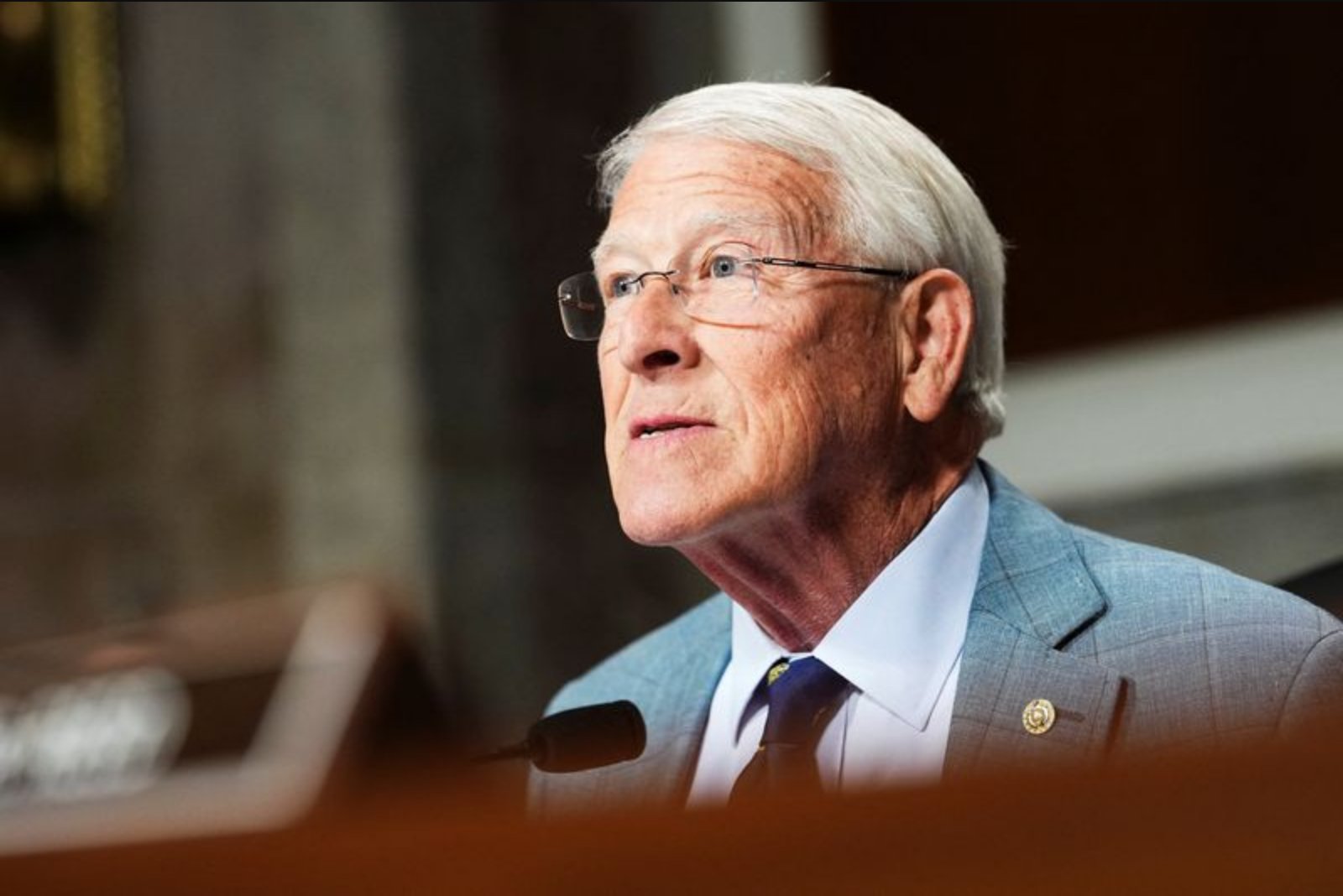
In a joint statement, U.S. Senator Roger Wicker and U.S. Representative Mike Rogers said:

"We are very concerned by the decision to withdraw a U.S. brigade from Germany."

Wicker, elected from Mississippi, and Rogers, from Alabama, serve as the chairs of the Senate and House Armed Services Committees, respectively. Their statement followed an announcement from the Pentagon that the planned drawdown is expected to be carried out over the next six to 12 months.

Their remarks came a day after the Defense Department disclosed the withdrawal plan. They noted that U.S. President Donald Trump had earlier in the week threatened a drawdown following an exchange with German Chancellor Friedrich Merz. The pair referenced comments by Merz on Monday in which he said the Iranians were humiliating the U.S. in talks to end the two-month-old war and that he did not see what exit strategy Washington was pursuing.

Wicker and Rogers stressed that any meaningful alteration to the American military footprint in Europe should be reviewed and coordinated both with Congress and with U.S. allies. They added:

"We expect the Department to engage with its oversight committees in the days and weeks ahead on this decision and its implications for U.S. deterrence and transatlantic security."

The lawmakers warned that even if NATO partners were to raise defense spending to 5% of GDP, developing the operational capabilities required to assume conventional deterrence responsibilities will take time. They argued that cutting U.S. forces in Europe too soon "risks undermining deterrence and sending the wrong signal to (Russian President) Vladimir Putin," according to their statement.

Their comments underline congressional insistence on oversight of force posture changes and emphasize concern about the potential strategic consequences of a rapid redistribution of U.S. troops from a longtime NATO host nation.


Context limitations: The statement and the Pentagon announcement referenced in this report form the basis for the concerns expressed by the two lawmakers. This article does not introduce additional details beyond those provided in those statements and the Pentagon's withdrawal timeline.

Risks

  • Premature reduction of U.S. forces in Europe could undermine conventional deterrence - impacts defense and European security sectors.
  • A rapid drawdown may send an adverse signal to Russian leadership, potentially raising geopolitical tensions - impacts defense contractors and market uncertainty related to geopolitical risk.
  • Insufficient coordination with Congress and U.S. allies could lead to oversight and alliance-management challenges during the drawdown - impacts defense policy and diplomatic relations.

More from Politics

Defense Seeks Removal of Suicide Precautions for Man Accused in White House Dinner Shooting May 2, 2026 Gubernatorial Moves to Redraw Maps After Supreme Court Ruling Trigger Legal and Political Tumult May 1, 2026 ActBlue Files Federal Suit to Halt Texas Attorney General’s Case, Calls It Political Retaliation May 1, 2026 Appeals Court Temporarily Halts Mail Dispensing of Mifepristone May 1, 2026 FBI Signals End to Safe Harbor for China-Linked Hackers as Extradition Underscores Global Reach May 1, 2026