
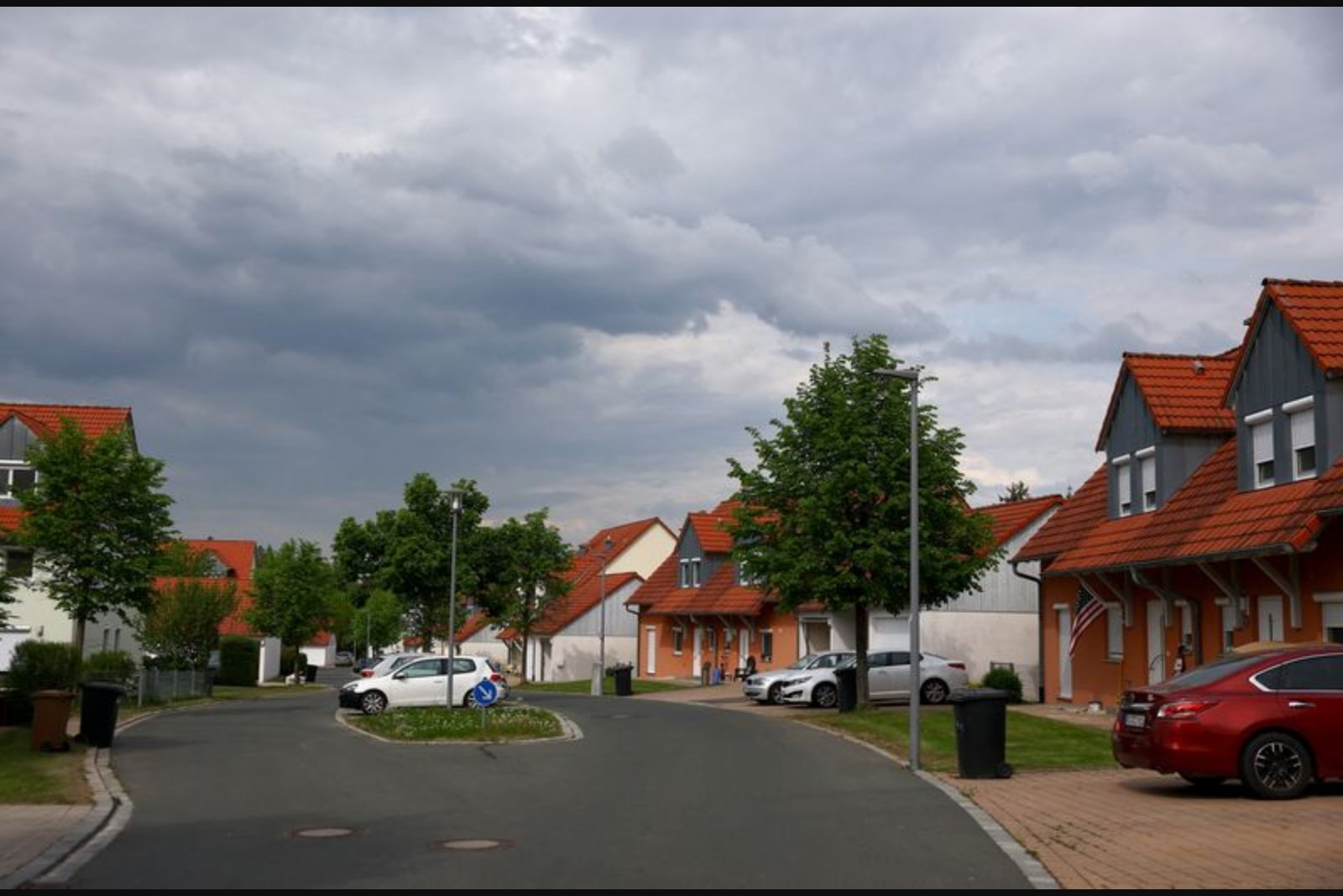
Vilseck, a small Bavarian town whose economy and everyday life have been intertwined with a U.S. military installation since the end of World War Two, is confronting the possibility of a profound change after an announcement in Washington to withdraw at least 5,000 U.S. troops from Germany. The White House decision - which has not specified all units to be moved - has placed the town and its surrounding rural region on edge because of the outsized role the nearby base plays in local livelihoods.
The 2nd Stryker Cavalry Regiment, the only permanent brigade combat team stationed in Germany and based at Rose Barracks in Vilseck, is widely expected to be among the formations affected by the planned drawdown. Town officials and residents said that if the regiment leaves, the consequences for employment and commerce would be severe.
"The consequences would be dramatic," said Vilseck's newly installed mayor, Thorsten Graedler, who assumed office this week at a moment when the town faces the prospect of thousands of job losses in a region where alternatives to base‑related work are limited. He described a long-term local dependence on the military presence that has supported well‑paying positions and a steady flow of customers for shops and services.
"Our entire town of Vilseck relies largely on the military training area for its livelihood - pubs, restaurants, garages, supermarkets," Graedler said. For years those businesses have benefited from demand generated by service members and their families, creating an economic ecosystem closely tied to the base.
The U.S. decision comes amid ongoing pressure from Washington for European NATO members to increase defence spending, and public commentary that allied reliance on American forces permitted underinvestment in their own militaries. There was already discussion during the previous U.S. presidential term about withdrawing the 2nd Cavalry Regiment, a brigade built around Stryker wheeled armoured vehicles; those plans were later reversed under the subsequent administration. Vilseck officials emphasized, however, that formal confirmation of the Stryker unit's removal has not been issued.
"It’s important to say that it hasn’t been officially confirmed yet that the Strykers will actually be withdrawn. So I haven’t given up hope yet," Graedler added, expressing cautious optimism tempered by immediate concern for jobs and local commerce.
Berlin’s government, which has been increasing defence expenditures to rebuild the German military after prolonged underinvestment, indicated that the announcement of a troop reduction was not unexpected. Still, for towns like Vilseck the implications extend beyond defence policy into the social fabric of daily life.
With roughly 6,500 residents, Vilseck is regularly outnumbered by U.S. personnel and their families. The long U.S. presence in Germany has evolved since the Cold War, when troop numbers were far higher - as many as 250,000 personnel and tens of thousands of civilian staff were stationed in the country. By the time the Berlin Wall fell in 1989, 60% of all U.S. overseas bases were located in Germany, concentrated in many southwestern towns similar to Vilseck. Over decades, many of these sites became self-contained communities with on‑base housing, stores and amenities, while also leaving deep marks on the surrounding towns.
"I’ve never known Vilseck any other way than living side by side with the Americans," Mayor Graedler said, underscoring a generational familiarity that defines local life.
Although U.S. troop numbers in Germany have declined substantially from Cold War peaks, roughly 35,000 American troops remain, constituting the largest U.S. military contingent in Europe. Their presence still drives demand in local economies: soldiers and their families patronise steak restaurants, shop at supermarkets and join local sports and car clubs, maintaining visible links to the town’s commercial and social activities.
"I’ve been here since 2022, so about four years now. And there’s nothing to dislike about Germany," said culinary sergeant Robert Moore, 31, who lives approximately 20km north of Vilseck. He described the population as friendly and the area as "very, very safe," reflecting why many service members and families are settled and integrated with the town.
For many in Vilseck the potential departure of the Americans would create an emotional void as well as an economic one. Longstanding social connections, everyday interactions and local routines would be disrupted.
"When the Strykers arrived, we were worried they’d be a bunch of roughnecks, but they’re actually really nice," said 66‑year‑old Albin Merkl, a pensioner who rents apartments to U.S. personnel. "We’ve always done good business with the Americans." He noted the nights when trains to nearby Nuremberg were filled with younger soldiers heading out for off‑duty entertainment, illustrating the spillover effects on regional transport and leisure sectors.
Judith Georgiadis, 63, who spent 17 years working in base administration, recalled how life around the base changed after the Cold War drawdown. "Back in the eighties, life here was brilliant. There was a lively nightlife, with bars and pubs," she said, adding that the town has grown quieter in the decades since. With the latest announcement, she and others said anxiety is rising among those whose jobs are tied to the U.S. presence.
"People who work for the Americans are afraid. There is a lot of worry," she said, calling for action from local authorities. "The city government should have taken action long ago to address our dependence on the Americans. When you’re young, you either work for the Americans or leave." Her comments underscore concerns about limited local employment alternatives and longer-term demographic effects.
Small businesses that have oriented their services almost exclusively to base personnel are especially vulnerable. "A lot of us here - business people, I mean - built our businesses around 100% American clients," said 64‑year‑old Robert Grassick, whose company, Vilseck Military Auto Sales, sells vehicles to troops and their families. Such companies could face sharp revenue declines if a large portion of their clientele relocates with the units.
For older residents, the idea that the U.S. presence might end has been a recurring conversation rather than a sudden revelation. "Having grown up here, I can say it’s always been a talking point: ’They’re leaving and closing down,’" said 61‑year‑old Brenda Hutchinson, whose family history includes mixed couples formed through decades of close contact between Americans and locals. "It was already a talking point back when my father was in the army," she said.
As Vilseck waits for official confirmation of which units will relocate, leaders and residents face a period of uncertainty about economic adjustment and community identity. The town’s experience illustrates how strategic defence decisions can ripple through regional labour markets, retail and services, transport demand and social life in places that have long hosted foreign troops.