
Overview
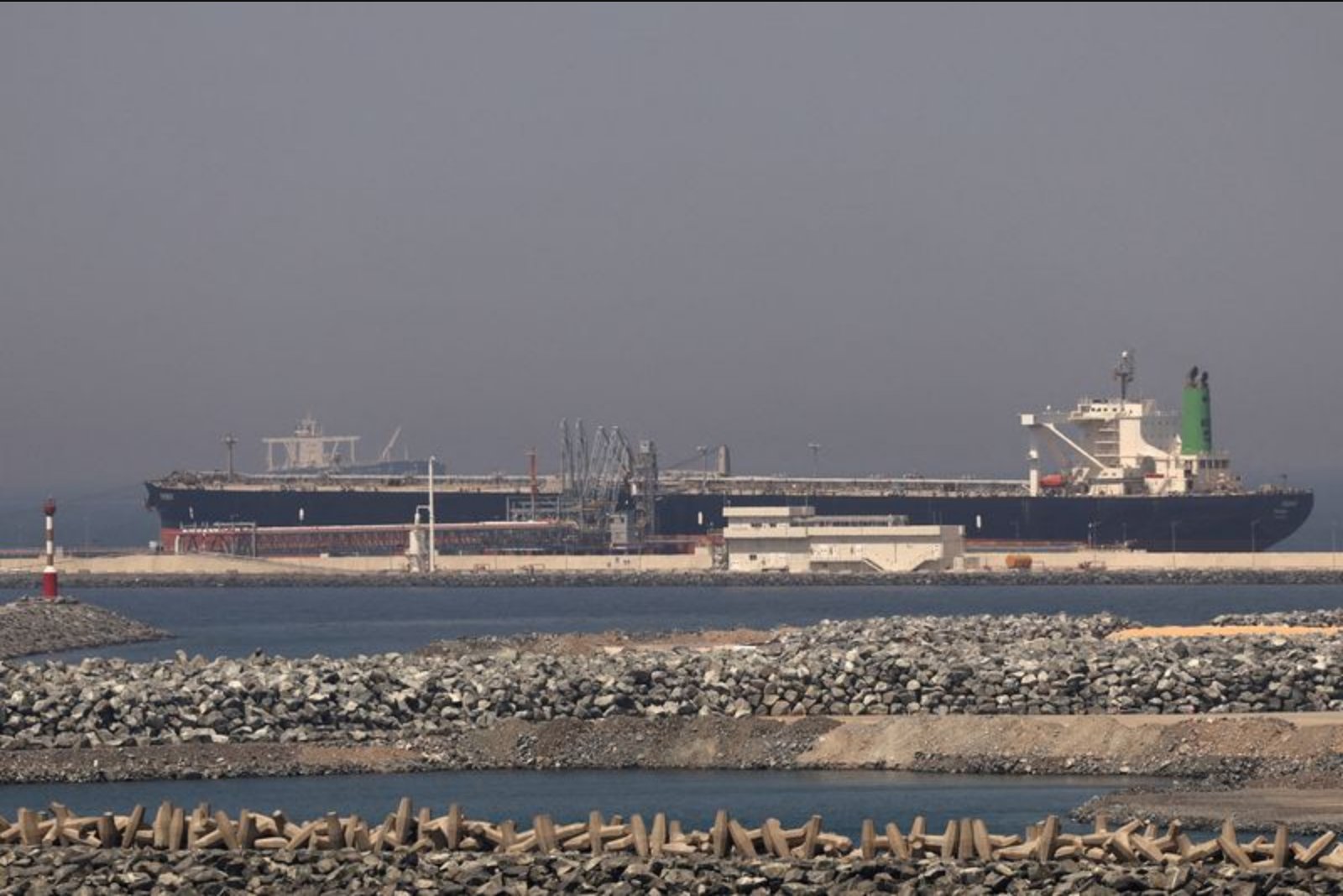
Industry sources and vessel-tracking and satellite analyses show that the United Arab Emirates and purchasers have recently moved several tankers loaded with crude through the Strait of Hormuz with location trackers switched off. The operations are aimed at moving oil that had been effectively bottled up in the Gulf following the regional conflict.
The volumes moved so far represent only a fraction of the UAE's usual exports prior to the U.S.-Israeli war on Iran, but they illustrate the operational and security risks producers and buyers are taking to unlock sales. Other Gulf producers have either halted exports, steeply discounted cargoes to entice buyers, or, in Saudi Arabia's case, redirected shipments through the Red Sea.
Reported shipments and data sources
In April, the UAE's Abu Dhabi National Oil Co managed to export at least 4 million barrels of Upper Zakum crude and 2 million barrels of Das crude on four tankers from terminals inside the Gulf, according to three industry sources, shiptracking data from Kpler and an analysis of satellite data from SynMax. The sources include one person with direct knowledge of the operations and two individuals familiar with ADNOC's activities.
Those shipments were handled in several ways: some cargoes were transferred by ship-to-ship transfers to vessels that later carried the oil to a Southeast Asian refinery; some were unloaded into storage in Oman; and others sailed directly to refineries in South Korea, according to the same sources and the Kpler and SynMax data.
Why tracking was switched off and the visibility challenge
Ships used in these moves operated with their automatic identification system - AIS - transponders turned off to reduce the chance of being spotted by Iranian forces. This tactic, while lowering exposure to potential attack, also complicates efforts by industry trackers to measure the total volume of crude exported from the Gulf. As a result, the known volumes shipped in April could understate the actual amount moved.
Ships operating with AIS turned off are harder to follow in industry datasets. Despite that, Kpler recorded the VLCC Hafeet loading 2 million barrels of Upper Zakum within the Gulf on April 7 and later exiting the strait on April 15. Outside the strait, Kpler data and SynMax analysis indicate the cargo was transferred to the Greek-flagged VLCC Olympic Luck on April 17-18 and subsequently shipped to the Pengerang refinery in Malaysia, a joint venture between a Malaysian state oil company and Saudi Aramco.
Hafeet is managed by ADNOC's Logistics and Services unit. The Olympic Luck is managed by Greece-based Olympic Shipping & Management. Kpler and SynMax data also show two Suezmax tankers - the Odessa and Zouzou N. - each carrying 1 million barrels of Upper Zakum and headed to South Korea after exiting the strait. Those tankers are managed by Greece-based Dynacom Tankers Management.
Loading and discharge specifics
One of the broken-up cargoes of Upper Zakum that was sold to a Northeast Asian refinery fetched a record premium of $20 a barrel above ADNOC's official selling price, according to a source with direct knowledge of the matter. Splitting VLCC cargoes by ship-to-ship transfer allows ADNOC to sell smaller parcels while freeing very large crude carriers to return rapidly inside the Gulf to reload.
For the Das grade, Kpler data shows the VLCC Aliakmon I loaded 2 million barrels on April 27, exited the strait on May 2 and discharged at Oman’s Ras Markaz storage terminal on May 3. Details from Kpler and SynMax indicate the logistical pattern that combined in-Gulf loading, transit through the strait and offloading into regional storage or onward carriage to refineries.
Security and recent incidents
The operations carry clear security risks. The UAE has publicly accused Iran of using drones to attack an empty ADNOC tanker, the Barakah, as it passed through the Strait of Hormuz. Such incidents underline the danger confronting tankers operating in and around the strait amid the broader regional tensions following the attacks that began on February 28.
The closure of the strait to exports other than Iran's own, combined with a U.S. blockade that has halted Iranian exports in recent weeks, has contributed to major supply disruptions. Those disruptions have been associated with a sharp rise in global oil prices, which moved above $100 a barrel during the period cited by the data.
ADNOC's export volumes and adjustments
Since the start of the conflict, ADNOC has cut exports by more than 1 million barrels per day from the 3.1 million barrels per day it shipped last year, according to Kpler's data. Most of ADNOC's exports are the Murban grade, which is typically sent by pipeline from onshore fields to the export hub at Fujairah.
ADNOC has signalled an intention to continue selling oil loaded inside the strait. The company notified some customers in late April that they could load Das and Upper Zakum crude from May via ship-to-ship transfers at ports outside the Gulf, including Fujairah and Oman’s Sohar. A source with direct knowledge of ADNOC's plans said the company is holding talks with Asian refiners to sell cargoes loading in May. An Indian refining source also confirmed discussions but declined to be identified due to lack of authorisation to speak to the media.
Commercial arrangements and transparency
In several instances public comment was not available from shipping firms and refiners named in tracking data. Olympic Shipping & Management and Petronas did not respond to requests for comment. Dynacom Tankers Management was not clear about charterers for the vessels it manages when contacted. ADNOC declined to comment on the individual shipments.
The arrangement to break up VLCC cargoes by STS transfers and to use intermediate storage gives ADNOC flexibility to sell smaller parcels into markets and to cycle large carriers back into the Gulf for additional loads. It also means that some recipients pay significant premiums to secure cargoes that are otherwise difficult to move through conventional export channels during the current regional disruption.
What remains uncertain
Because of the deliberate turning off of vessel trackers and the partial visibility this creates, industry datasets may undercount actual movements. It is therefore unclear whether the volumes identified in April represent the totality of crude shipped from Gulf terminals under this method.
The commercial and security dynamics are evolving. ADNOC's stated intention to continue selling via in-strait loadings and STS transfers points to an ongoing effort to reconcile security constraints with market demand in Asia and other regions.