
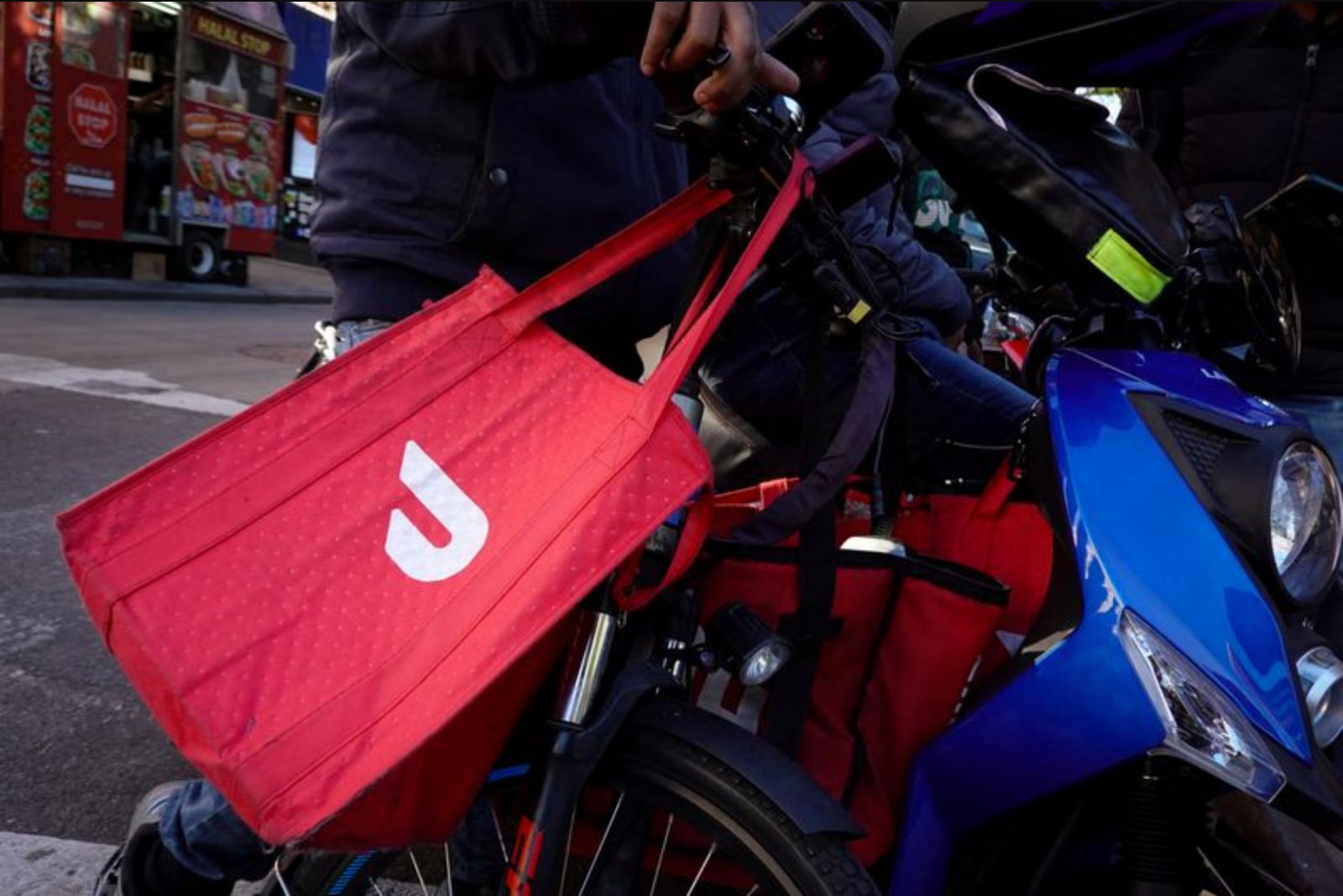
DoorDash shares rose 11% in premarket trading on Thursday after the company said demand for its food and grocery delivery services supports a strong outlook for total order value in the second quarter, even as elevated fuel prices remain a factor.
The company has been expanding its membership offerings and widening grocery coverage in the U.S., while also extending grocery operations internationally through partnerships with retailers such as Sobeys and Safeway in Canada. DoorDash’s membership product in the U.S. and Canada, DashPass, is priced at about $9.99 per month or $96 a year and includes $0 delivery fees on grocery orders. Management reported that sign-ups for membership programs increased in the first quarter as consumers continued to place a premium on delivery convenience.
DoorDash said it added more new customers to its U.S. grocery business in the three months ended March 31 than in any prior quarter, a metric the company highlighted as evidence of sustained consumer interest in grocery delivery.
Competitive and market context
Rival Uber also projected strong second-quarter bookings, a forecast that the company partly attributed to higher-than-expected growth in its delivery segment. The broader narrative among delivery platforms underscores strong consumer demand for convenience services even as cost pressures mount.
Morningstar analyst Mark Giarelli noted that consumer health has been closely watched amid rising gas prices, but added that the higher fuel costs have not yet translated into noticeable deterioration in business performance. Giarelli added that if traffic in the Strait of Hormuz normalizes, that could open a path to a strong 2026 for convenience-focused companies - a comment the company cited in assessments of industry dynamics.
Costs, margins and valuation
DoorDash said its gas relief program will cost the company more than $50 million in the current quarter. The company’s gross margin for the first quarter narrowed to 48.2%, down from 48.7% a year earlier.
In valuation terms, DoorDash’s forward price-to-earnings ratio for the next 12 months stood at 52.54. By comparison, the article cited forward P/E ratios of 15.37 for Instacart and 22.05 for Uber. Separately, DoorDash shares are down about 25% so far this year, even with the premarket gain.
Analyst caution and company actions
Some analysts remained cautious despite the optimistic guidance, noting that DoorDash and other delivery peers such as Instacart face the effects of high fuel prices tied to the conflict in the Middle East and the related need to provide relief programs for drivers. The company’s disclosed gas relief costs and margin contraction reflect these operational headwinds.
At the same time, DoorDash is intensifying investments in membership and grocery coverage, moves the company flagged as integral to capturing recurring customer behavior and lifting total order value.
Bottom line
DoorDash’s forecast for a strong second quarter in total order value, its record quarter for new U.S. grocery customers, rising membership enrollment and expanded grocery partnerships form the basis for the recent stock move. Those positives are balanced by higher fuel-related support costs and a modest contraction in gross margin reported for the first quarter.