
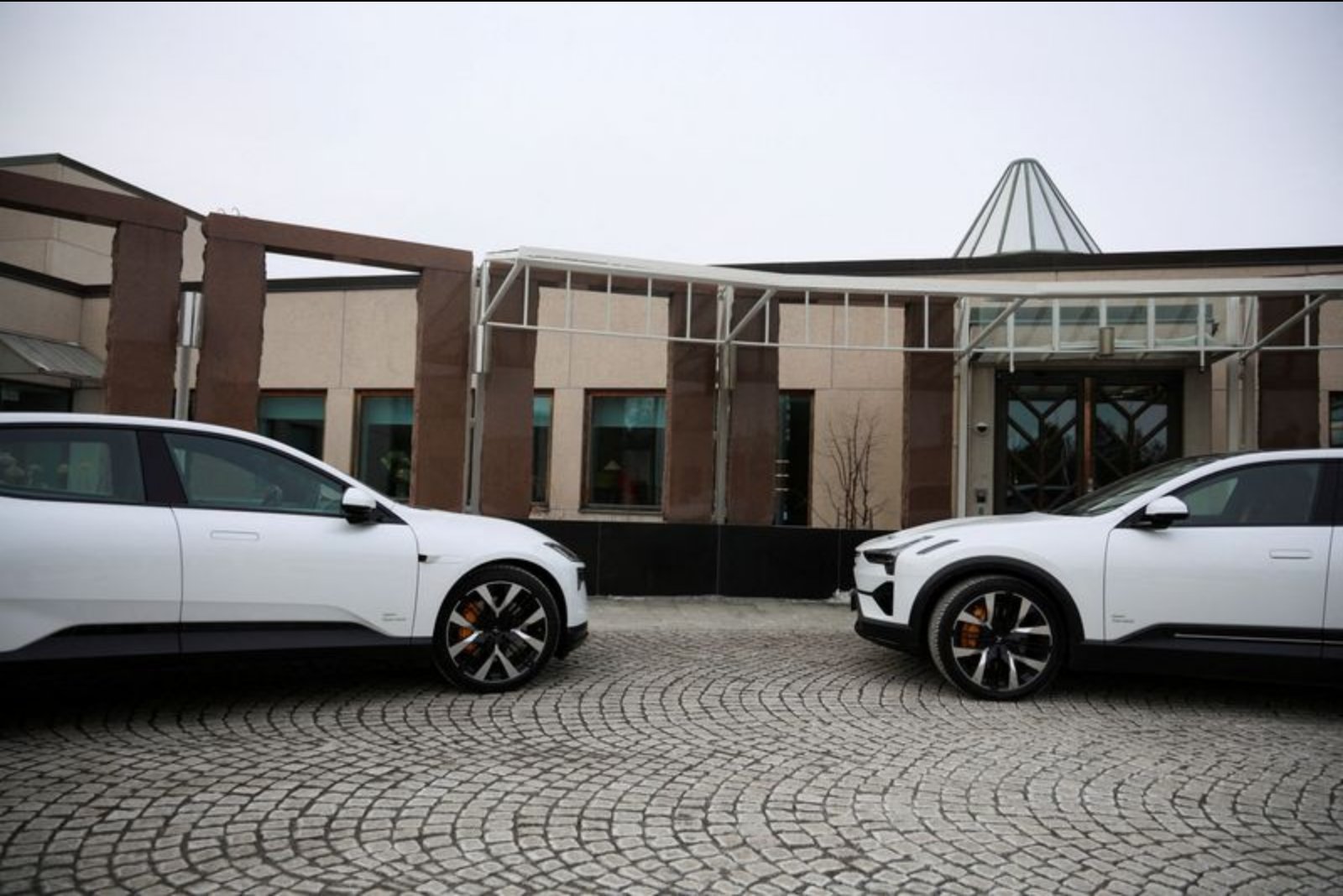
Polestar, the Sweden-based electric vehicle maker majority owned by China’s Geely Holding, posted a wider first-quarter net loss on Thursday as price concessions and U.S. tariff-related cost pressures diminished the benefits of higher sales volumes.
The company said deliveries rose 7% in the January-March period, driven primarily by activity in Europe where Polestar has been offering discounts to coax cautious buyers. Despite the uptick in sales, net loss widened to $383 million in the first quarter, compared with a $166 million loss a year earlier. Reported revenue was broadly flat at $633 million for the quarter.
Polestar attributed part of the weaker top-line performance to a shift in product mix. A smaller proportion of sales came from the higher-priced Polestar 3 while a greater share comprised Polestar 4 vehicles, which weighed on average selling prices and the overall revenue profile for the quarter.
U.S. tariffs have also had a tangible effect, the company said, compressing margins and adding to manufacturing costs. To attract buyers in Europe, Polestar has implemented discounts that helped maintain unit momentum but pressured profitability.
"With implemented steps to improve our cost base being offset by more challenging market conditions, we are accelerating efforts to adjust our business model, become leaner and improve manufacturing efficiencies," Polestar CEO Michael Lohscheller said. The company provided no financial outlook for the year.
Polestar is expanding its product lineup as part of a multi-year plan. The firm expects deliveries of a new Polestar 4 variant to begin later this year, followed by an all-new Polestar 2 in 2027 and the compact Polestar 7 SUV thereafter.
Like many electric vehicle startups, Polestar is spending cash to grow its model range. The company has recently obtained loan and equity support from Geely and banks, and Volvo Cars has been converting debt into equity. Polestar also secured approval for a 50 million euro addition to its green trade finance facility.
Cash on hand fell to $676 million at the end of the first quarter, down from $1.16 billion in the prior three-month period. First-quarter operating expenses increased, driven by higher sales commissions, one-off personnel costs and elevated marketing spending.
Polestar said it expects to publish its second-quarter sales figures on July 9.
Sector impacts
- Automotive - EV manufacturers confront margin pressure from tariffs and pricing actions.
- Finance - Capital structure adjustments and liquidity are focal as cash reserves decline.
- Manufacturing - Cost and efficiency initiatives are being accelerated to offset market headwinds.