
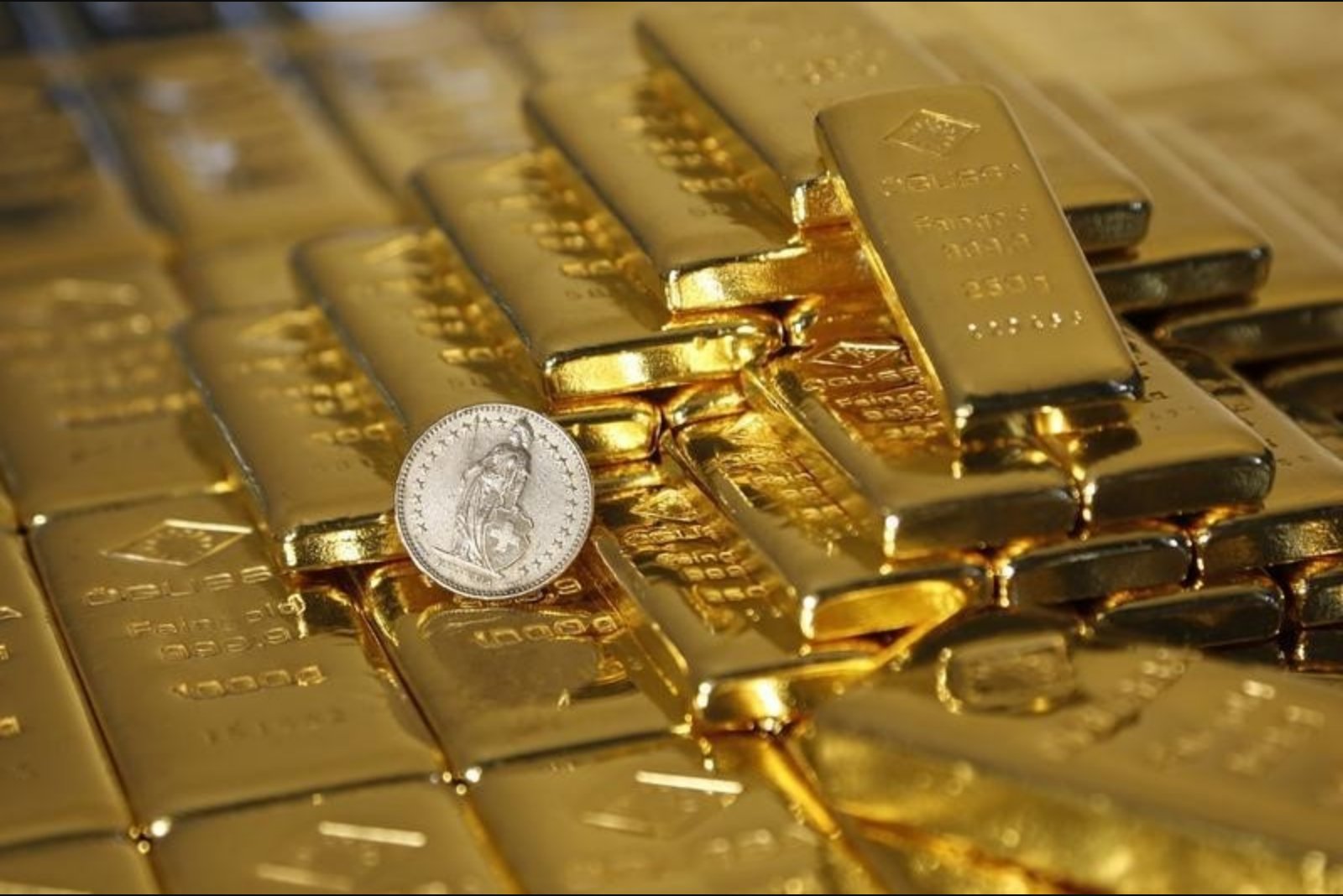
Spot gold advanced modestly in Asian trading on Thursday following a sharp uptick in the previous session, as optimism about a possible U.S.-Iran memorandum of understanding and a softer dollar bolstered investor interest in the metal.
Market moves - Spot gold was last recorded up 0.4% at $4,707.31 an ounce by 22:21 ET (02:21 GMT). U.S. Gold Futures for June also rose 0.4% to $4,713.86. The yellow metal had climbed 2.9% on Wednesday, marking its largest single-day percentage gain since late March.
The rise in gold accompanied a sharp fall in oil, which plunged more than 7% on Wednesday. That drop followed reports indicating potential progress in talks aimed at de-escalating tensions in the Middle East.
Drivers behind the move
Market sentiment improved after Axios reported that the White House was nearing a deal with Iran on a memorandum of understanding aimed at ending the conflict. Iran said it was reviewing the proposal, and U.S. President Donald Trump commented that he believed Tehran wanted an agreement.
Expectations that energy prices could decline if tensions ease helped reduce the prospect of a prolonged inflation shock. That in turn weighed on U.S. Treasury yields and the dollar, lifting appetite for non-yield-bearing assets such as gold. The dollar index edged down 0.1% in Asian hours after slipping 0.4% overnight, remaining near pre-war levels.
Although oil plunged sharply on Wednesday after reports of progress, crude prices steadied on Thursday as market participants awaited further details on the negotiations.
Other precious metals
Among other metals, silver gained 0.7% to $77.85 an ounce, while platinum was effectively unchanged, trading flat at $2,065.17 an ounce.
Outlook and near-term influences
Investors are looking ahead to Friday's U.S. non-farm payrolls report for additional clues about the Federal Reserve's interest-rate path. Recent remarks from Federal Reserve officials have emphasized that the Middle East conflict could still pose risks by fueling inflation and disrupting supply chains, creating an element of uncertainty for policy decisions.
Given the interaction between geopolitics, energy prices, and monetary policy, markets are likely to remain sensitive to further developments in the U.S.-Iran talks and upcoming U.S. economic data.
Summary
Gold extended gains in Asian trade after a near 3% rally the prior session, driven by reports of progress toward a U.S.-Iran memorandum of understanding and a weaker dollar. Falling oil prices helped ease inflation worries, pressuring yields and supporting demand for bullion as investors await U.S. jobs data.
Key points
- Gold rose 0.4% to $4,707.31 an ounce by 22:21 ET (02:21 GMT); U.S. June futures up 0.4% at $4,713.86.
- The metal recorded a 2.9% gain on Wednesday, its largest daily increase since late March, as oil prices tumbled more than 7% on reports of negotiation progress.
- Macroeconomic monitoring continues ahead of Friday's U.S. non-farm payrolls report, which could influence Federal Reserve policy expectations.
Risks and uncertainties
- Negotiations between the U.S. and Iran remain fluid - Iran said it was reviewing the proposal and the situation could evolve, affecting energy prices and inflation expectations.
- Federal Reserve officials have cautioned that the Middle East conflict could still drive inflation or disrupt supply chains, adding uncertainty to the interest-rate outlook.
- Upcoming U.S. non-farm payrolls data may shift the market's view on monetary policy and therefore on bullion demand.