
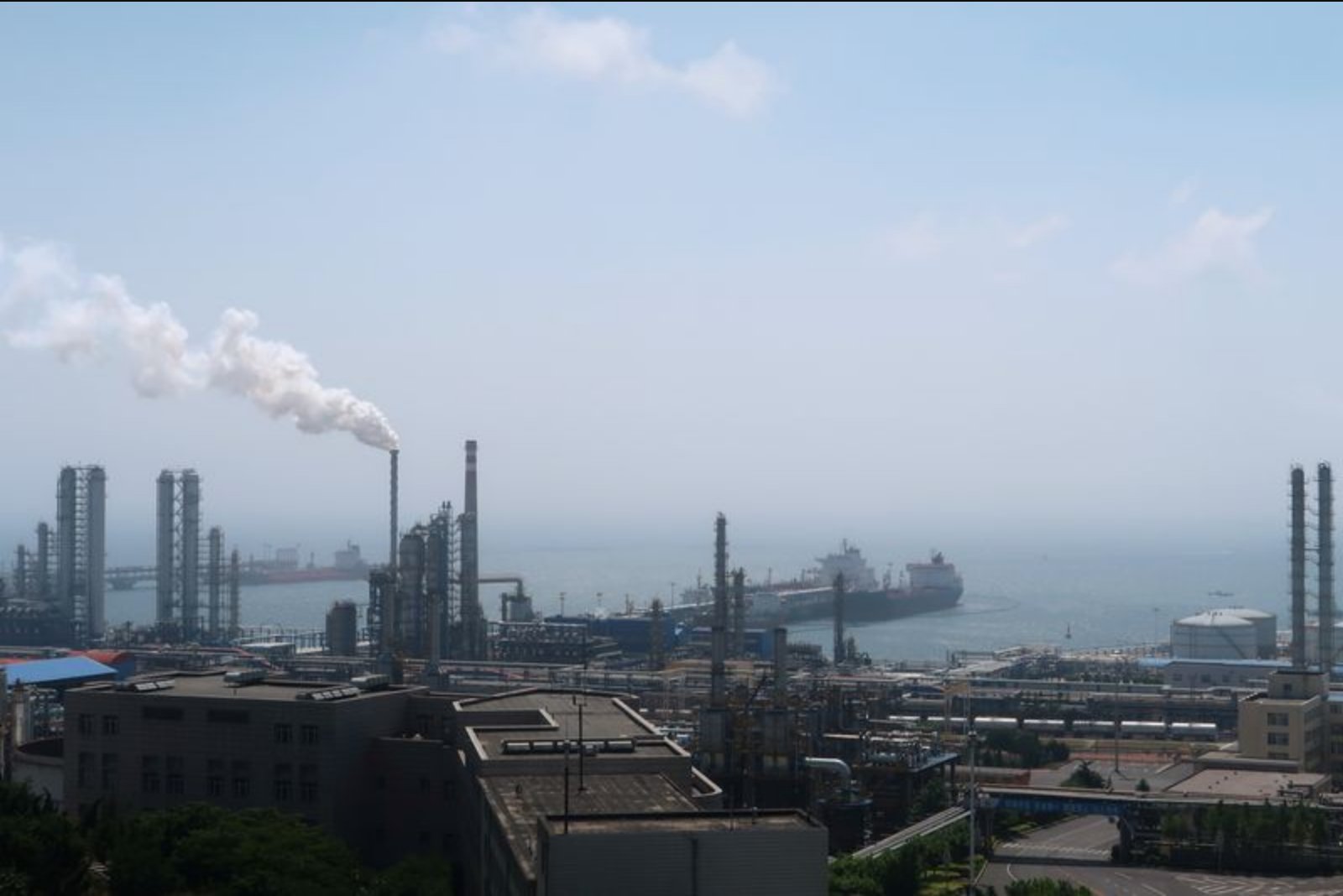
In a move that highlights the complex intersection of international sanctions and domestic financial oversight, China’s National Financial Regulatory Administration (NFRA) has reportedly advised the nation's major lenders to pause the extension of new loans to five refineries. These companies have recently been targeted by U.S. sanctions related to their involvement with Iranian oil. The guidance, which was delivered verbally, focuses on preventing the disbursement of new yuan-denominated loans to these entities.
The directive does not extend to existing debt; banks are not being asked to call in current credit. However, lenders have been tasked with reviewing their ongoing business dealings with the sanctioned firms. Among those identified in reports is Hengli Petrochemical (Dalian) Refinery, a major player in China's private refining sector. As of the time of reporting, neither the NFRA nor Hengli Petrochemical had immediately responded to requests for comment regarding these developments.
This regulatory guidance, which was reportedly issued prior to May 1, presents a notable divergence from a separate notice released by China’s Ministry of Commerce on May 2. In that subsequent communication, the Chinese government instructed domestic firms to disregard the U.S. sanctions. This tension underscores a complicated landscape where different arms of the Chinese government are providing seemingly conflicting signals to the private sector.
The situation stems from actions taken by the U.S. Treasury in April, which imposed sanctions on Hengli Petrochemical following allegations that the company had purchased billions of dollars worth of oil from Iran. Such moves are part of an intensified effort by Washington to diminish the petroleum revenues generated by Tehran. The impact of these sanctions has already been felt by the refineries, which have faced operational hurdles such as difficulties in securing crude oil and the necessity of selling refined products under alternative names.
Furthermore, U.S. Treasury Secretary Scott Bessent indicated last month that two unnamed Chinese lenders had received warnings from the United States. These lenders were cautioned that if they are found to be facilitating transactions involving Iran, they could face secondary sanctions. This regulatory pressure adds a layer of risk for financial institutions navigating the boundaries of international compliance and domestic economic activity.