
Overview
In the five weeks following a pause in joint Israeli-U.S. strikes in Iran on April 8, Israeli forces have markedly increased operations inside the Gaza Strip, redirecting their activity toward the devastated enclave. Palestinian health authorities report that 120 people were killed in Gaza in that period, including eight women and 13 children, a figure the Gaza Health Ministry says is about 20% higher than in the five weeks when Israel was carrying out sorties over Iran.
Monitoring groups and casualty figures
Conflict monitor ACLED, which tracks violence in the region, said in its monthly report for April that Israeli attacks in Gaza rose by 35% compared with March. ACLED data, according to a researcher with the group, shows that over roughly 30 separate incidents in April, Israel struck targets linked to Hamas, other militant groups, police personnel and police stations, as well as security checkpoints.
Since an armistice reached in October halted major fighting after two years of war, the enclave has remained largely ruined. ACLED and health ministry figures count some 850 Palestinians killed in Israeli strikes since that October ceasefire, without distinguishing between combatants and civilians. Over the same period, four Israeli soldiers were killed by militants. Hamas has not disclosed figures for its own fighter casualties.
Targets, tactics and immediate drivers
Several of the strikes since the Iran pause have hit positions associated with the Hamas-run police force. Health and police officials say at least 14 police officers were killed in Gaza since April 14. ACLED’s researcher noted that many of the April incidents occurred in areas under Hamas control, with Israeli shelling, drone strikes and gunfire continuing near the armistice line and targeting both militants and civilians, including women and children, approaching soldiers.
Israeli officials have signalled concern about Hamas rebuilding. Four Israeli defence officials told reporters in recent weeks that the military had warned the government that Hamas fighters were tightening their grip in Gaza and reconstituting weapons and forces. A separate Israeli military official, speaking on condition of anonymity, said the ceasefire allows Israel to act against imminent threats and that the military had prepared contingency plans for a possible resumption of larger-scale operations in Gaza, though no order for such a campaign had been issued.
State of the ceasefire and ground reality
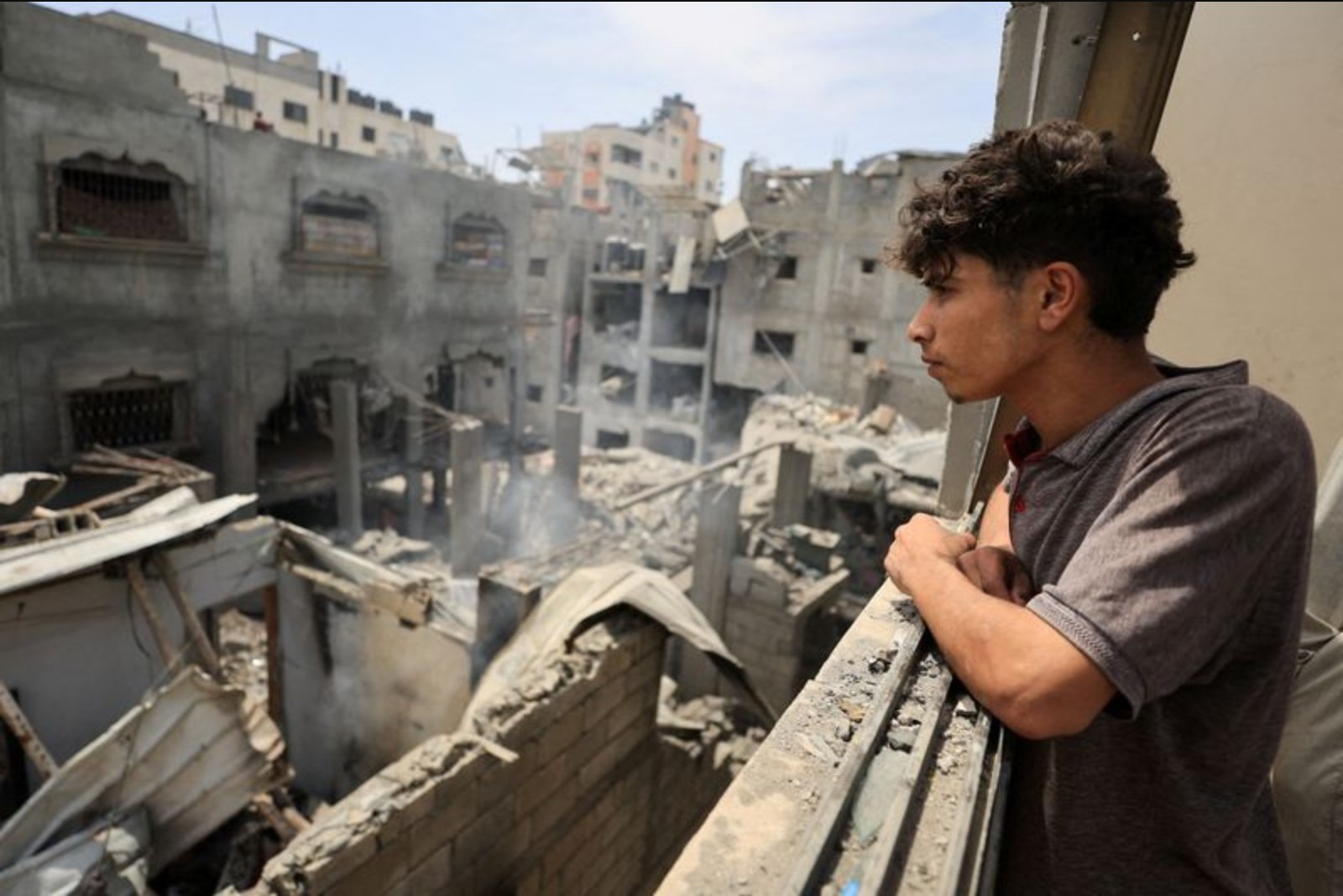
The agreement reached in October ended major combat in Gaza but did not deliver a permanent resolution. Plans to withdraw Israeli troops, disarm militants and reconstruct the enclave have made only fitful progress. Israeli forces continue to occupy more than half of Gaza’s territory, where many of the remaining buildings have been demolished and residents were ordered to leave. More than 2 million people now live in a narrow coastal strip, largely in damaged structures or makeshift tents. In much of the territory, Hamas fighters exercise de facto control.
Residents say the ceasefire has not brought a halt to daily dangers. "The war is still ongoing," said Lafi Al-Najjar, 36, a blind Palestinian whose son was killed on April 28 in an Israeli strike. "It stopped in the announcement, but in reality and on the ground, the war has not stopped." Najjar and his family are living in a tented encampment amid the ruins of Khan Younis.
Regional operations and separate ceasefires
Since Israel began operating in tandem with the United States against targets in Iran in March, its military activity across the region has been intense. That campaign included a ground invasion and an air campaign in Lebanon against Hezbollah, the Iran-aligned movement. Fighting in Lebanon has eased under a separate U.S.-brokered ceasefire, but has not come to a full stop.
Implications and outlook
Despite the public halt to operations in Iran, the pattern of strikes in Gaza underscores that the October armistice has not yet produced a durable peace or a reliable pathway to reconstruction. Israeli officials’ assessments that Hamas is rebuilding its capabilities, combined with the military’s preparations for broader contingencies, leave the ceasefire fragile. The humanitarian toll continues across densely populated areas where people remain displaced and civilian infrastructure lies in ruins.
Reporting on casualty figures and incidents in Gaza draws on statements from the Gaza Health Ministry, ACLED’s monthly reporting, and comments from Israeli defence and military officials made in recent weeks.