
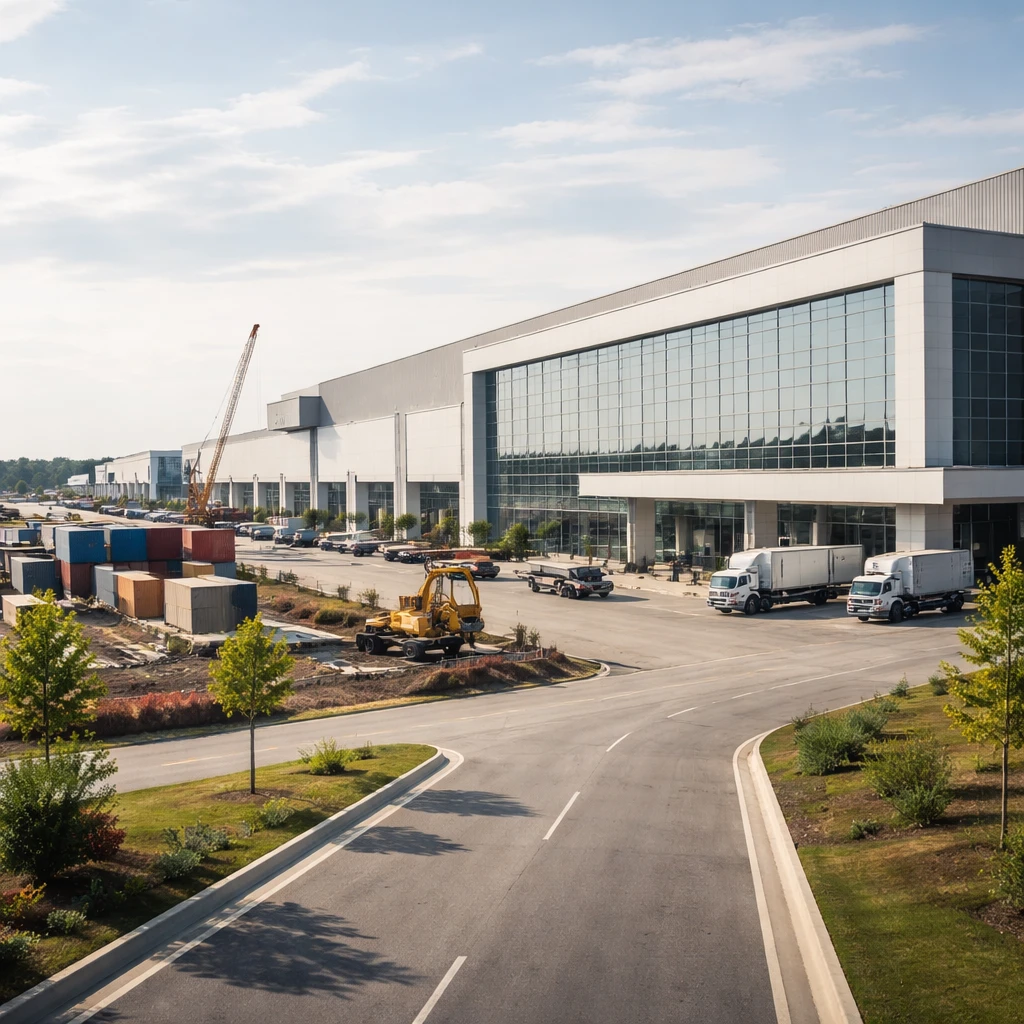
Volvo Cars is actively considering collaborative arrangements with U.S. partners to enhance production at its plant in South Carolina, CEO Hakan Samuelsson said on Wednesday.
Speaking at the FT "Future of the Car" conference, Samuelsson said the automaker is evaluating a range of cooperative measures tied to its expansion in the United States. Areas under consideration include assembly work, construction projects, sourcing of components and other supply-chain functions as the company scales up its American operations.
Samuelsson framed the push as part of a broader industrial shift toward regional production. "That is something I think we need as we are now increasing our presence in the U.S.," he said. "It’s part of the regionalisation of the world, we need to be much more industrially present in the U.S. and we need to fill the factory we have there."
The plans to pursue U.S. partnerships come while automakers worldwide reassess their production approaches in response to President Donald Trump’s tariffs on foreign cars, which are intended to bolster U.S. manufacturing. Volvo Cars has already announced intentions to grow its American manufacturing footprint as part of that effort.
The company is majority-owned by China’s Geely Holding. Samuelsson did not announce any specific partners or firm agreements at the conference; rather, he described the company as exploring potential cooperation across the production chain as it expands operations in the United States.
The scope described by Samuelsson covers multiple operational levers - from on-site assembly and construction to sourcing and logistics - reflecting a comprehensive approach to increasing capacity at the South Carolina facility. The CEO’s remarks underline Volvo Cars’ intention to be more industrially present in the U.S. market and to ensure the factory reaches its intended utilization as the company enlarges its American footprint.
Contextual note: The comments were delivered at the FT "Future of the Car" conference, where Samuelsson outlined the company’s strategic focus on regional production and partnerships as part of its U.S. expansion efforts.