
Overview
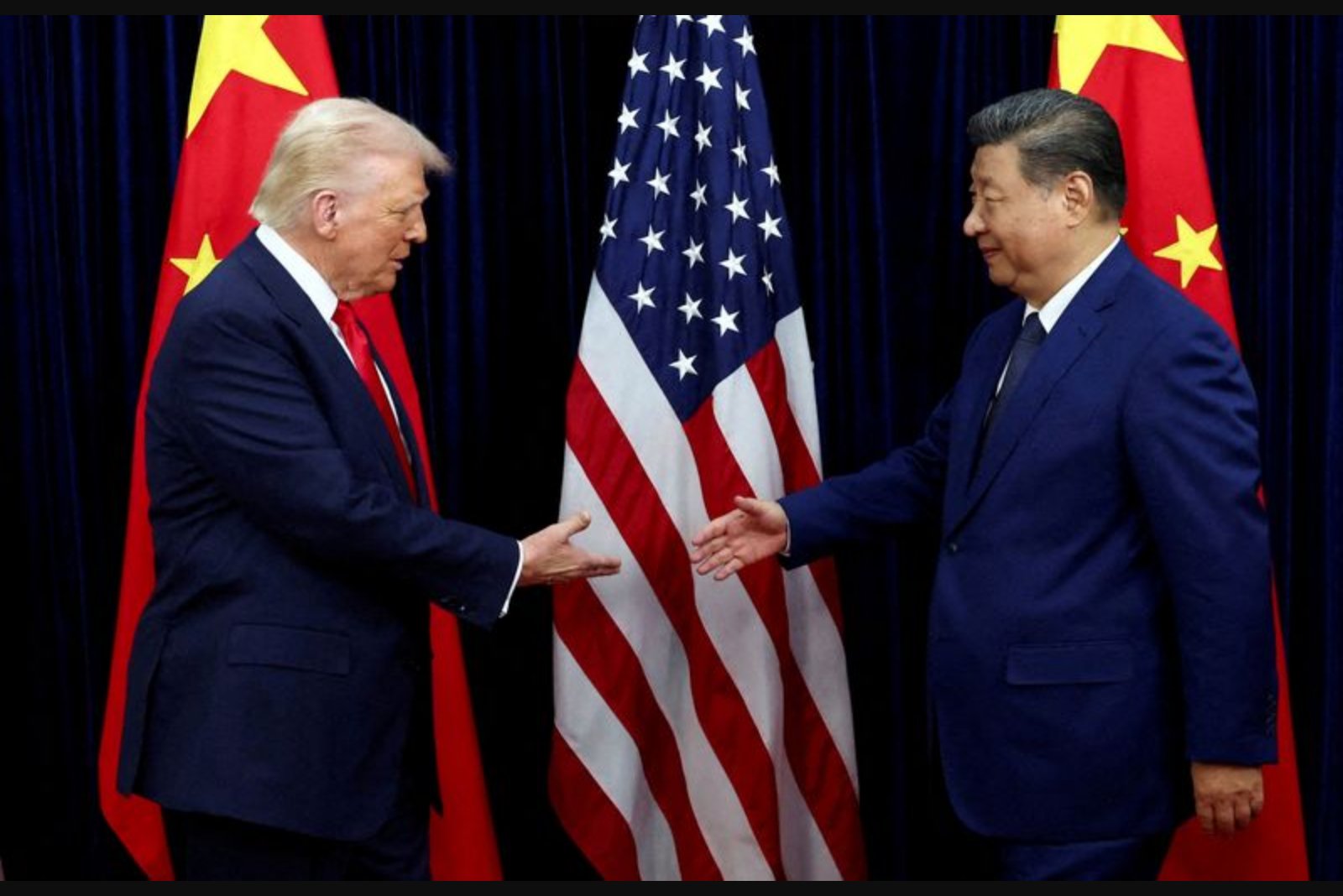
President Donald Trump flew to China on Wednesday for high-level talks with President Xi Jinping, telling reporters before his departure that he did not anticipate needing Chinese assistance to end the war with Iran or to loosen Tehran’s hold over the Strait of Hormuz. "I don’t think we need any help with Iran. We’ll win it one way or the other, peacefully or otherwise," he said.
Stalemate in negotiations
More than one month has passed since a fragile ceasefire went into effect, yet the core positions of the United States and Iran remain distant. Washington has demanded Iran dismantle its nuclear programme and relinquish control that has choked traffic through the strait. Iran, for its part, has sought compensation for war-related damage, an end to the U.S. blockade and cessation of hostilities on all fronts, including in Lebanon where Israel is engaged with Iran-backed Hezbollah. Trump described those Iranian demands as "garbage."
Iran expanding maritime links
Meanwhile, Iran has appeared to consolidate its hold on the Strait of Hormuz by arranging alternative export routes, cutting deals with Iraq and Pakistan to ship crude oil and liquefied natural gas from the region, according to sources with knowledge of the matter. The article's sources indicate other countries are exploring comparable arrangements, a development that could further normalise Tehran’s control of the waterway over time.
U.S.-China posture on maritime tolls
The Trump administration said on Tuesday that senior U.S. and Chinese officials had agreed last month that no country should be able to impose tolls on traffic transiting the region, a point offered to suggest consensus on that specific issue ahead of the summit. China, which is a significant buyer of Iranian oil and maintains close ties with Tehran, did not dispute the administration’s account.
Price of war and domestic politics
As the human and material costs of the conflict grow, Trump insisted that everyday economic pressures facing Americans were not driving his decisions about the war. Data released on Tuesday showed U.S. consumer inflation accelerated in April, posting its largest annual gain in three years as prices for food, rent and airfares rose. When asked whether that economic strain was motivating him to seek a deal, he replied: "Not even a little bit."
He reiterated his principal concern: "The only thing that matters, when I’m talking about Iran, they can’t have a nuclear weapon. I don’t think about Americans’ financial situation ... I think about one thing: We cannot let Iran have a nuclear weapon. That’s all. That’s the only thing that motivates me." Those remarks are likely to draw scrutiny as cost-of-living issues remain prominent for voters ahead of the November midterm elections.
Energy markets and supply disruptions
The conflict has produced notable effects on global energy markets. The International Energy Agency said on Wednesday that global oil supply will fall by around 3.9 million barrels per day across 2026 and will undershoot demand because of disruptions caused by the Iran war, and that more than 1 billion barrels of Middle East supply have already been lost. Brent crude futures eased slightly toward about $107 per barrel after a three-day rally driven by the Hormuz impasse.
Military operations and costs
Operational activity linked to the conflict has been significant. U.S. Central Command reported that the aircraft carrier Abraham Lincoln was operating in the Arabian Sea to enforce a maritime blockade, and that forces had redirected 65 commercial vessels and disabled four others. The Pentagon has put the war’s cost at $29 billion so far, an increase of $4 billion from an estimate provided late last month. An official told lawmakers the revised figure includes updated repair and replacement of equipment as well as operational expenses.
Public sentiment and political risk
Polling data point to widespread public unease about the war less than six months before nationwide elections. A Reuters/Ipsos poll completed on Monday showed two out of three Americans believe Trump has not clearly explained why the country has gone to war; that view extends to one in three Republicans and almost all Democrats.
Iranian posture and drills
Iranian leaders have maintained a firm public stance. A Fars news agency report cited an Islamic Revolutionary Guard Corps official as saying Tehran has expanded its definition of the Strait of Hormuz into a zone extending from the coast of the city of Jask in the east to Siri Island in the west. State television reported that the Guards conducted drills "centred on preparation to confront the enemy."
Conclusion
As the president travels to Beijing, the military, economic and political ripples from the Iran war continue to shape global markets and domestic debates. Key sticking points in negotiations persist, alternative shipping arrangements are being pursued by Iran and its partners, energy supplies have been materially affected and the fiscal toll of military operations has grown. Those dynamics are likely to factor into both the summit agenda and the broader strategic calculations of the parties involved.