
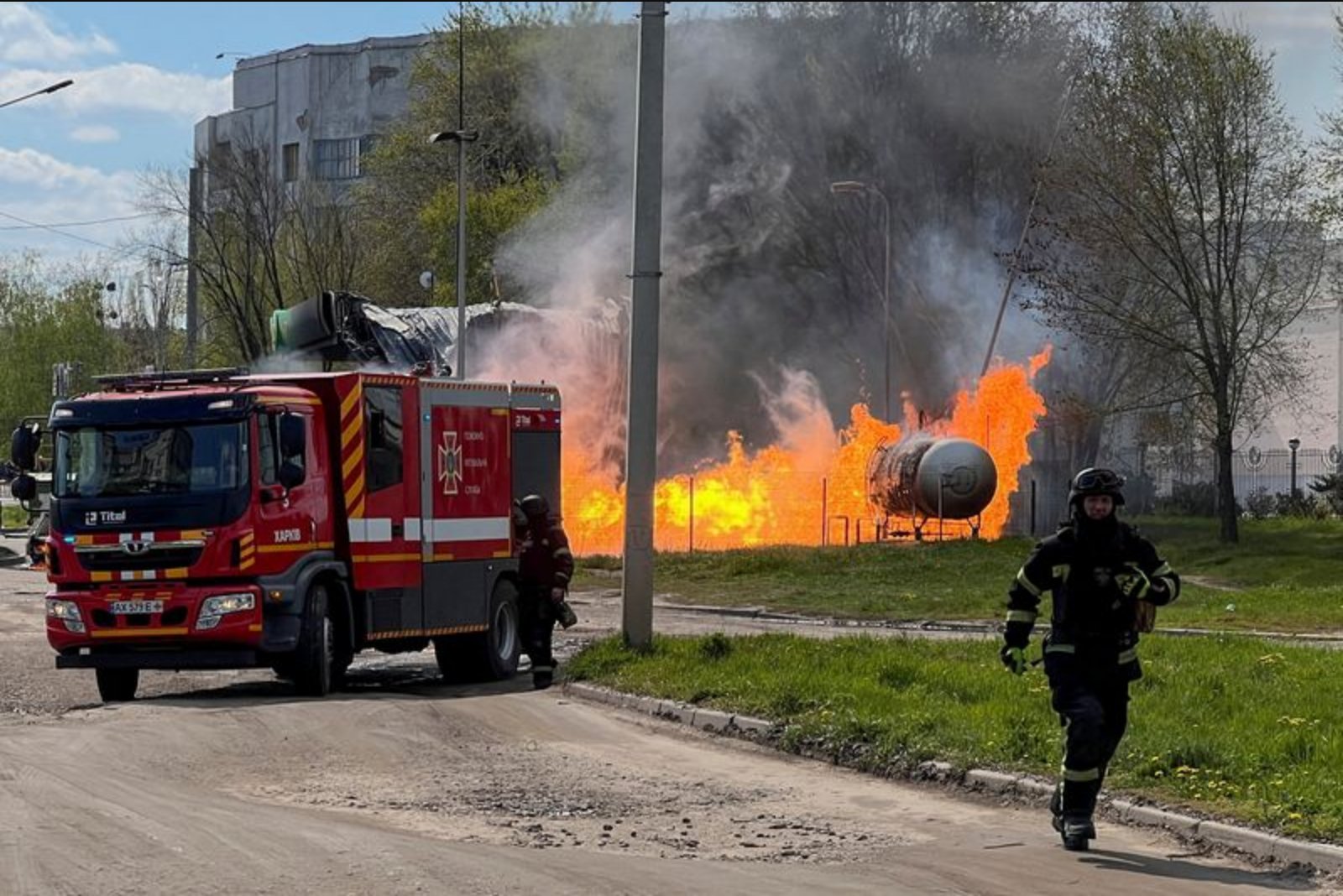
Ukrainian President Volodymyr Zelenskiy issued a warning that Russian forces could carry out successive drone attacks across Wednesday, noting that over one hundred unmanned aerial vehicles were present in Ukrainian airspace as Moscow appears to have shifted toward striking during daylight hours.
"Russia continues its strikes and is doing so brazenly - deliberately targeting our railway infrastructure and civilian sites in our cities," Zelenskiy wrote on X. The statement highlighted concern about deliberate hits on transport links and populated areas.
Throughout the conflict, which has lasted more than four years, Russia has typically conducted major missile and drone strikes at night. In recent weeks, however, Kyiv and observers have recorded repeated daytime operations that dispatch hundreds of drones and missiles during daylight. Officials noted a single strike on March 24 that used a record number of weapons.
Daytime assaults carry a different impact profile than night raids, producing more immediate disruption to routine civilian activity, public transport and commerce.
"It is important to repel every attack with resilience. It is important to support Ukraine and not remain silent about Russia's war," Zelenskiy added.
Ukraine's air force provided an operational tally, saying that since 6 p.m. (1500 GMT) on Tuesday Russia had attacked with 139 drones, and that 111 of those had been downed or neutralised by air defences.
Moscow maintains it does not intentionally target civilians, though the conflict has resulted in thousands of civilian deaths. Russian authorities say strikes on civilian infrastructure can be justified when they undermine Ukraine's capacity to conduct military operations.
Separately, Kyiv has stepped up long-range strikes on elements of Russia's energy industry, according to Ukrainian statements, though those operations remain on a smaller scale compared with the large drone and missile barrages directed at Ukraine.
The evolving pattern of daytime drone use, the reported interception rate, and reciprocal strikes on energy infrastructure frame a period of heightened tactical activity with clear implications for transport, civilian life and energy networks.