
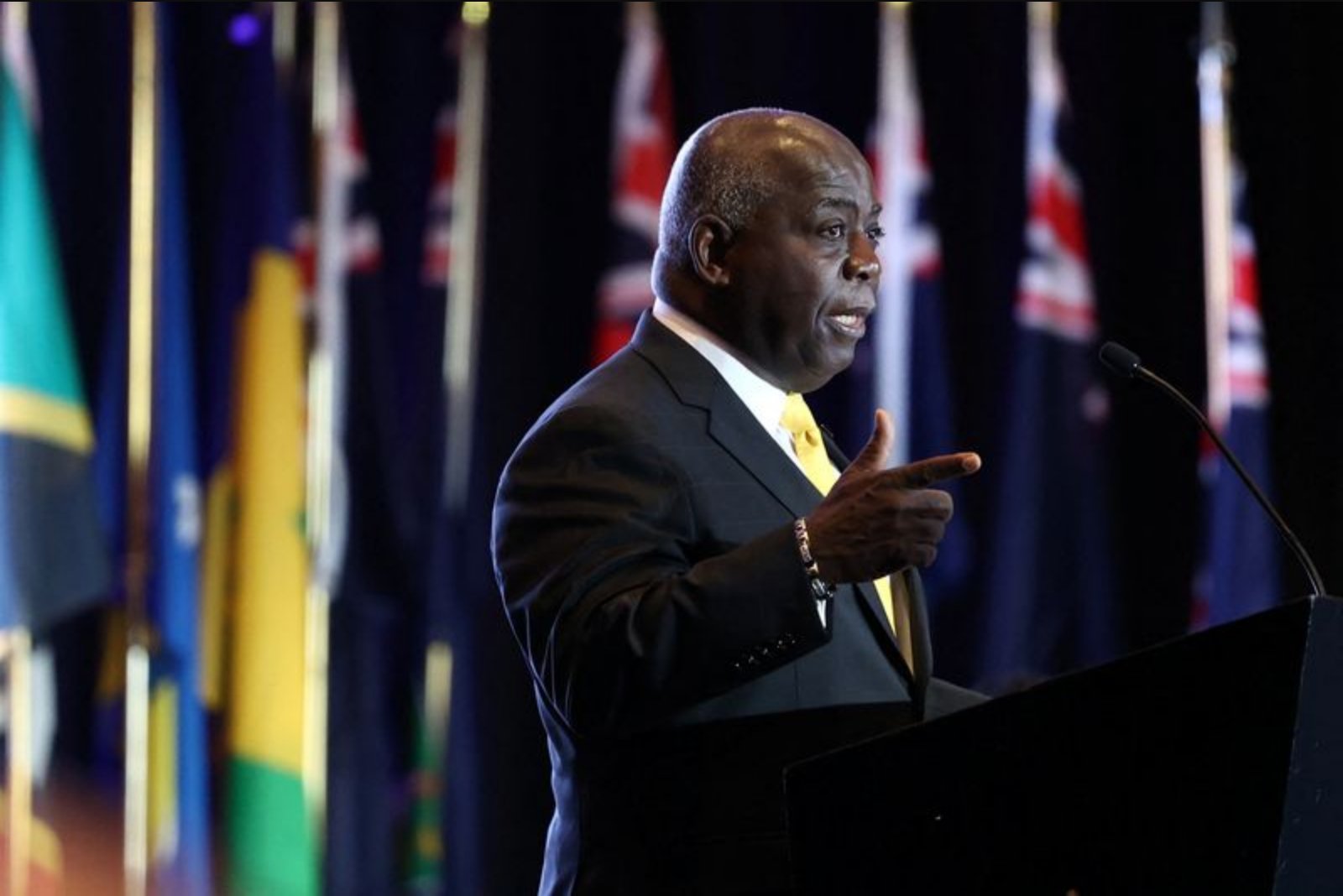
Philip Davis and his Progressive Liberal Party (PLP) were returned to power in an early general election in the Bahamas on Tuesday, making Davis the first Bahamian leader in nearly 30 years to be elected to serve a second successive term. Following the returns, Davis said he accepted the public's decision with humility and gratitude and described the result as a mandate to continue economic and social efforts across the islands.
Voting was held earlier than the scheduled October date, a move Davis said was designed to precede the start of the Atlantic hurricane season, according to an official in his office. An early poll was also the path that produced Davis' initial ascent to the prime ministership in 2021 - that September election marked the first time in nearly 25 years that Bahamian voters went to the polls outside of May.
Parliamentary outcome and seat distribution
As the count progressed, the PLP was on course to win more than 30 of the 41 parliamentary seats, with voting still underway as of 10 p.m. EDT (0200 GMT). Prior to the most recent election, the party had held 32 of the 39 seats in the House of Assembly. An independent constituencies commission had recommended the creation of two additional constituencies ahead of the vote, and the PLP won both of those new seats.
The main opposition, the Free National Movement (FNM), was forecast to take only eight seats in the new Parliament, a projection cited by FNM leader Michael Pintard. The party, which is now in its second consecutive term out of office, suffered further setbacks when both its chairman and its deputy leader were defeated in their constituencies.
Notable individual results
Among the election’s high-profile contests was the Garden Hills constituency, where former professional basketball player Rick Fox ran as the FNM candidate. He was defeated by incumbent Mario Bowleg, who served in Davis' first administration as the minister responsible for youth, sports and culture. After the result was declared, Bowleg said, "King Kong ain’t got nothing on me." Fox did not immediately reply to requests for comment.
Several senior figures on both sides of the political divide retained or lost their seats. PLP deputy leader Chester Cooper, who is expected to continue as deputy prime minister, won reelection. Michael Pintard, who has led the opposition since 2021, also returned to Parliament.
Dr. Hubert Minnis, who had been prime minister until his 2021 defeat and who entered this contest as an independent after the FNM declined to ratify him, failed to retain the seat he had occupied for nearly 20 years. That seat was won by Michela Barnett-Ellis, the FNM candidate.
Campaign issues and policy moves
Affordability featured prominently in voters’ concerns, with particular attention on rising housing costs and stagnant wages. The International Monetary Fund highlighted these pressures in 2025, noting that while the government had taken steps to address housing shortages, there was scope for additional public spending on housing.
In the months ahead of the election, Davis took steps to remove the value-added tax on food sold in grocery stores. The opposition argued that the VAT removal would have little practical effect for many Bahamians. Despite policy measures from both recent FNM and PLP administrations aimed at increasing housing accessibility and options, housing remains a significant challenge for citizens.
What the result means going forward
With a commanding parliamentary majority projected, Davis and the PLP are positioned to continue implementing their agenda with a strengthened legislative mandate. Key policy areas that will likely remain in focus include affordability measures and housing initiatives, along with security and efforts to relieve economic pressures on families, all of which Davis cited as priorities immediately after the vote.
How the new government balances targeted social spending, such as housing programs, with other fiscal priorities will be a central question for observers. The result also leaves the FNM in a reduced role in Parliament, prompting questions about its strategy and leadership following the election defeats of senior figures within the party.
For voters and markets watching policy on consumer prices and public housing investment, the election outcome sets the stage for how those issues are addressed in the coming term.