
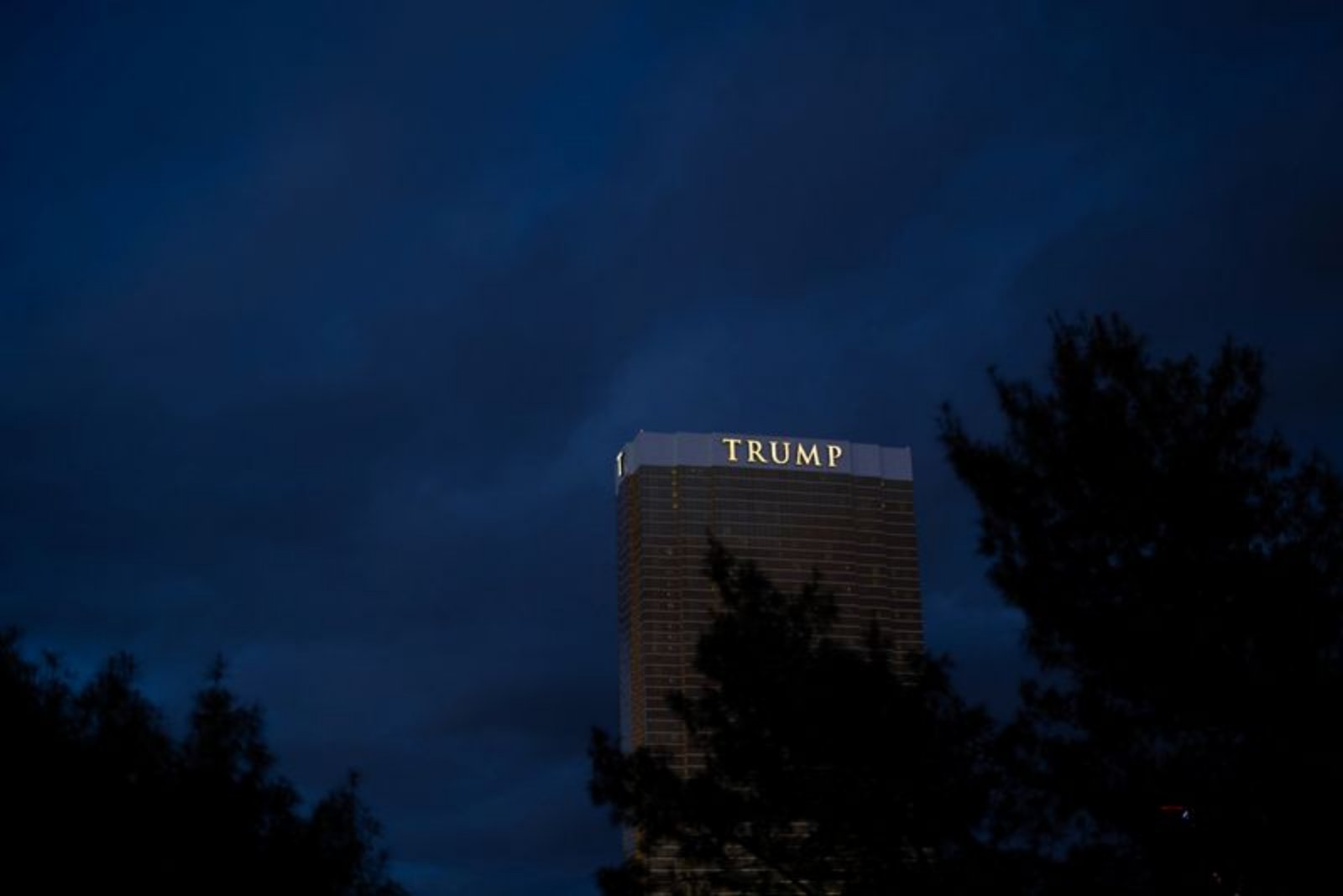
The ambitious real estate venture on the Gold Coast has reached a sudden conclusion. The Trump Organization announced on Wednesday that it is walking away from its first planned Australian tower, citing a failure by its local partner to meet necessary financial commitments. This follows a partnership agreement signed in February with Altus Property Group aimed at delivering a 91-storey landmark valued at A$1.5 billion ($1.09 billion).
Project Details and Dispute Origins
The proposed development was designed to be an expansive luxury complex. As pitched by Altus, the project was envisioned as a "six-star resort-hotel" featuring 270 individual apartments, various retail shops, a beach club, and a swimming pool. Luxury residential units within the tower were expected to have starting prices of roughly A$5 million ($3.62 million).
The breakdown in the partnership has resulted in conflicting accounts of the cause. In an email statement, a spokesperson for the Trump Organization characterized the situation as the result of "months of negotiations and empty promise." The spokesperson further alleged that Altus Property Group failed to satisfy even the most fundamental financial obligations that were due upon the execution of their agreement. Furthermore, the Trump Organization dismissed comments from Altus Chief Executive David Young, who reportedly attributed the termination to "some world events," labeling such claims as a tactic to divert attention from personal defaults and failures.
While the Trump Organization is exiting the deal, reports from the Australian Financial Review suggest that the development may still move forward, though it would proceed without utilizing the Trump brand name. David Young has denied the allegations of unmet financial obligations.
Market Context and Local Sentiment
The project was not without significant local friction. Before the cancellation, a segment of the Gold Coast community had voiced strong opposition to the tower. An online petition against the development had garnered more than 140,000 signatures, with participants expressing deep discomfort regarding the Trump brand and its associated representations.
Key Economic and Market Points
- Real Estate Development Sector: The collapse of a A$1.5 billion project highlights the volatility in large-scale luxury real estate developments when financing or partnership obligations are not strictly met.
- International Licensing Models: This case illustrates the risks inherent in international brand licensing agreements, where the success of a project is heavily reliant on the financial liquidity and performance of local developers.
Risks and Uncertainties
- Counterparty Credit Risk: The dispute highlights the significant risk involved when a primary developer or partner fails to meet fundamental financial obligations, which can stall or terminate major capital projects. This impacts the broader construction and project finance sectors.
- Reputational and Social Risk: Significant community opposition, as evidenced by the 140,000 signatures on an online petition, demonstrates how brand perception can impact the feasibility and social license of large-scale urban developments.