
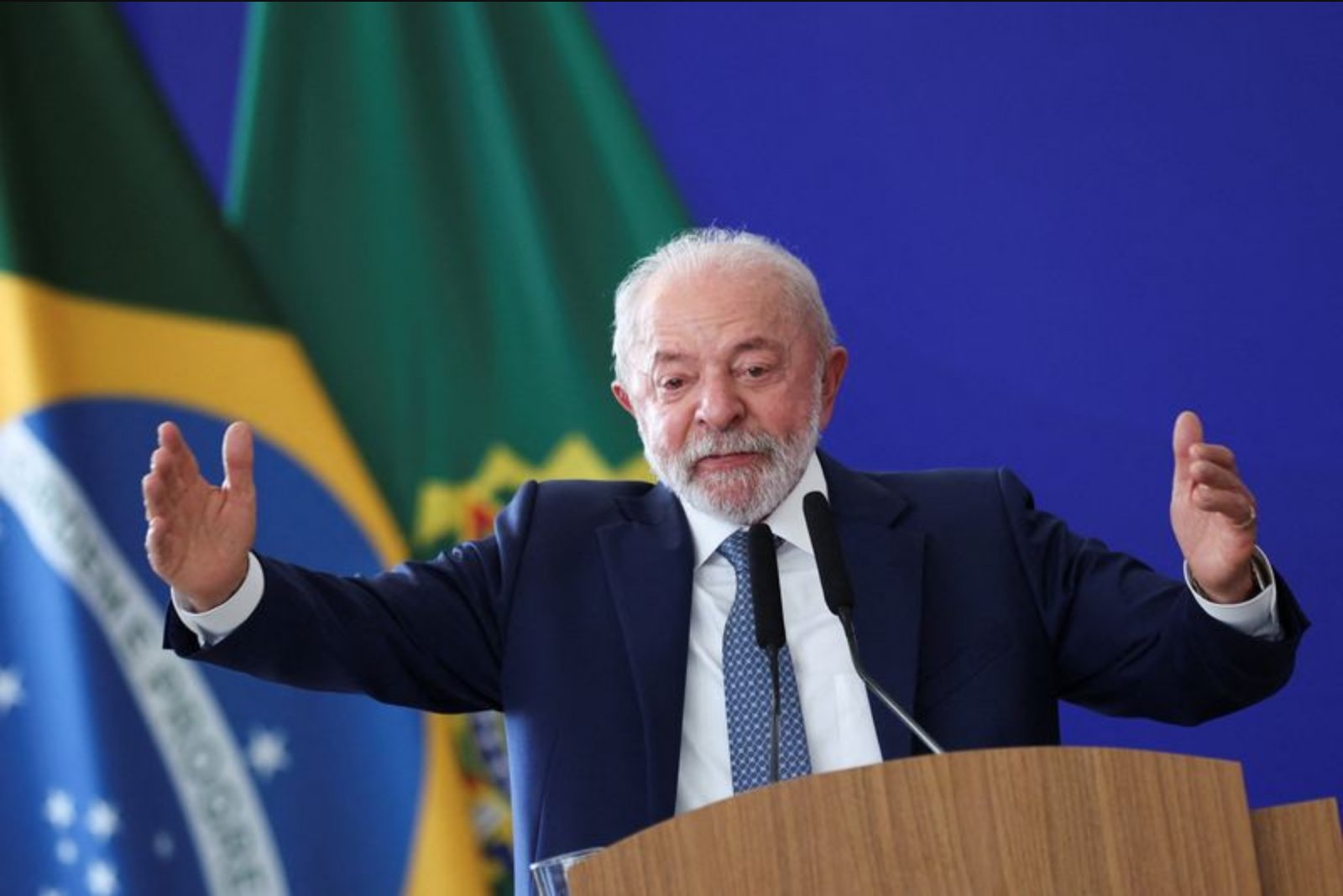
President Luiz Inacio Lula da Silva has officially moved to rescind federal taxes applied to foreign purchases with a value of up to $50. By signing this executive order on Tuesday, the administration is reversing a previously implemented levy that had garnered significant public dissatisfaction. This policy shift occurs as the president prepares for his re-election campaign in October.
The primary objective of this reversal, according to government officials, is to lower the costs associated with cross-border e-commerce. These digital marketplaces are widely used by lower-income Brazilians for purchasing necessary goods. Rogerio Ceron, who serves as the executive secretary of the Finance Ministry, noted that the move will specifically benefit the most vulnerable populations who rely on these platforms for items essential to their daily existence.
This decision follows a series of recent government actions aimed at bolstering public support, such as a state-backed program designed to renegotiate consumer debt. The political timing is notable, as current opinion polling indicates a tight race in a potential runoff between Lula and Senator Flavio Bolsonaro, the son of former President Jair Bolsonaro.
The announcement was delivered during a live broadcast that featured several high-ranking officials, including Vice President Geraldo Alckmin. This reversal represents a change in stance for Alckmin, who had previously advocated for the tax, arguing it would enhance the competitiveness of domestic Brazilian industries and support local job creation. When the original tax measure was instituted, the government maintained that foreign entities—specifically mentioning platforms like Shein, Shopee (owned by Sea Ltd), and AliExpress (part of Alibaba Group)—were operating under a different tax burden than companies based within Brazil, which the administration characterized as unfair competition.
In addition to the e-commerce tax reversal, the government also retracted a rule regarding subsidized public loans. That specific regulation, which had restricted access to such loans for producers with deforested land, went into effect last month and met with intense opposition from the agricultural sector. The simultaneous rollbacks suggest a broader effort by the administration to navigate complex political interests within the country.
Key Economic Impacts
- Consumer Sector: Lower-income demographics are expected to see reduced costs for imported goods via international e-commerce platforms, potentially increasing purchasing power for essential items.
- Retail and E-commerce: International platforms such as AliExpress, Shopee, and Shein may experience a shift in market dynamics as the previous tax barriers are removed.
- Industrial Sector: The removal of the levy reverses previous efforts to protect domestic industry competitiveness and local employment through taxation on foreign goods.
Risks and Uncertainties
- Fiscal Uncertainty: There is an unknown impact on federal tax revenue, as the Finance Ministry has not yet released the specific figures regarding the loss caused by this exemption.
- Industrial Competition: The reversal may reignite concerns regarding unfair competition between local Brazilian companies and foreign digital platforms that were previously shielded by the tax.
- Political Volatility: With the election approaching and polling showing a narrow margin between candidates, these policy shifts are closely tied to shifting political support and sector-specific opposition.