
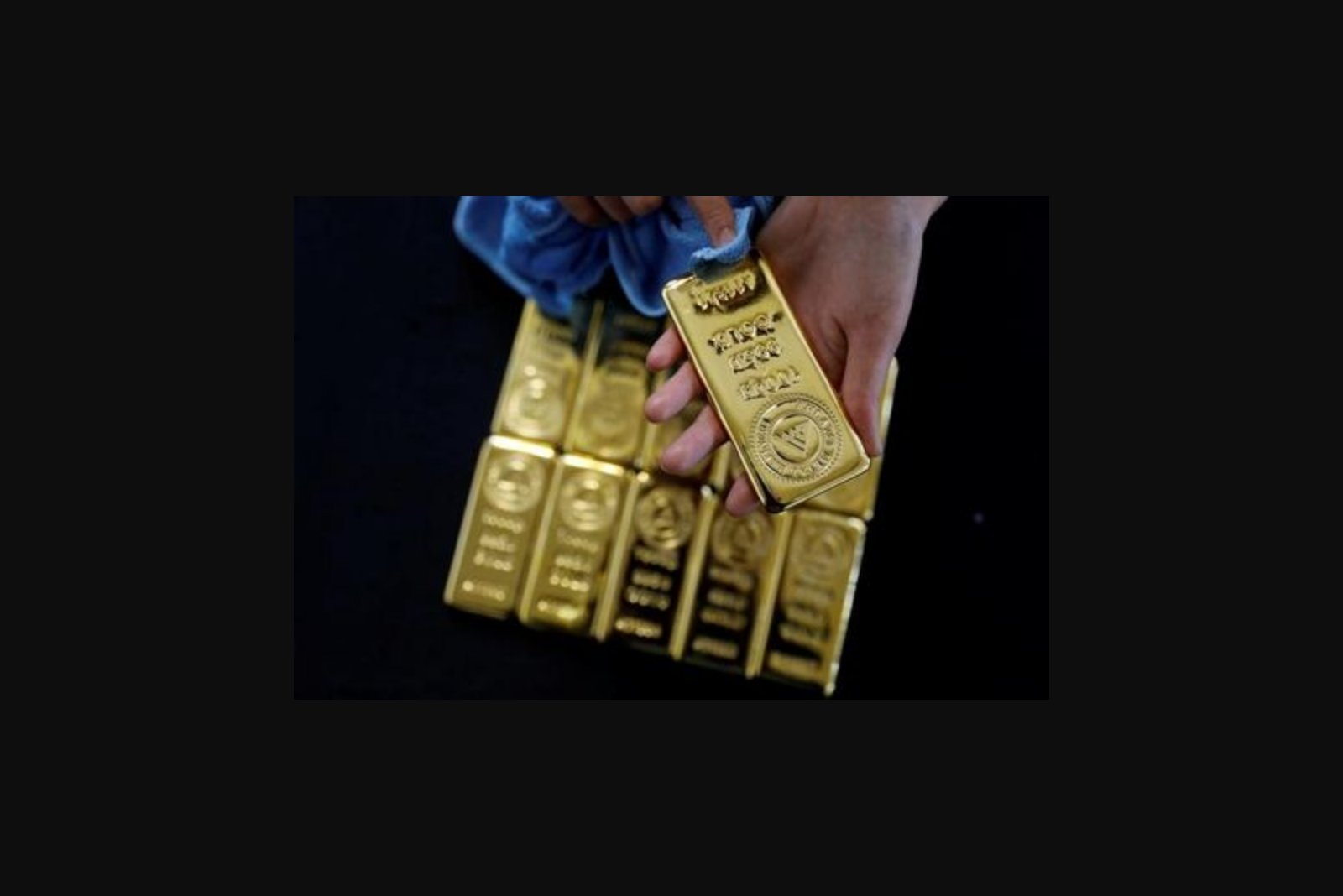
Gold prices were largely unchanged in Asian trading on Wednesday, with bullion remaining stuck in a tight band this week as investors weighed softer hopes for a U.S.-Iran peace agreement against an approaching high-profile diplomatic meeting.
Market levels: Spot gold slipped 0.2% to $4,705.50 per ounce by 21:39 ET (01:39 GMT), while U.S. Gold Futures rose 0.6% to $4,713.00/oz. In the session prior, bullion had declined 0.4% amid a firmer dollar and stronger U.S. inflation data.
Sentiment grew cautious after U.S. President Donald Trump said earlier this week that negotiations with Iran were on "life support." The remark followed Tehran's rejection of a U.S.-backed proposal aimed at ending the conflict and reopening the Strait of Hormuz. Those developments undercut hopes for a near-term ceasefire and kept geopolitical uncertainty elevated.
Traders and investors are monitoring the impact of the prolonged conflict on shipping through the Strait of Hormuz, a critical oil transit route. Disruptions there have stoked worries about sustained energy-driven inflation and have complicated the outlook for interest rates.
Attention also turned to Mr. Trump’s summit with Chinese President Xi Jinping scheduled for May 14-15 in Beijing. The two leaders are expected to discuss trade tensions, the Iran conflict, Taiwan and global supply chains, a range of topics that market participants say could influence risk sentiment across commodities and financial markets.
Bullion has struggled to build momentum this week after U.S. consumer price data surprised on the upside. Data released on Tuesday showed U.S. consumer prices rose 0.6% in April, while annual CPI accelerated to 3.8%, the highest reading since mid-2023. The rise was largely driven by surging energy prices linked to the Middle East conflict, and core inflation also came in above expectations.
That hotter-than-expected inflation bolstered Treasury yields and strengthened the dollar, making non-yielding gold relatively less attractive to some investors. The U.S. Dollar Index edged up 0.1% on Wednesday after rising 0.4% in the previous session.
Markets are awaiting U.S. producer price index data due later on Wednesday for further clues about pipeline inflation pressures and the Federal Reserve's policy path. Traders have scaled back expectations for rate cuts this year, a shift that influences how higher borrowing costs affect bullion by increasing the opportunity cost of holding the metal.
Other precious metals were mixed in early Asian trade. Spot silver inched 0.2% higher to $86.78/oz, while platinum slipped 0.8% to $2,113.80/oz.
Note: The market movements and data referenced reflect trading and releases reported during the week; investors remain watchful of developments in geopolitics and upcoming U.S. inflation releases.