
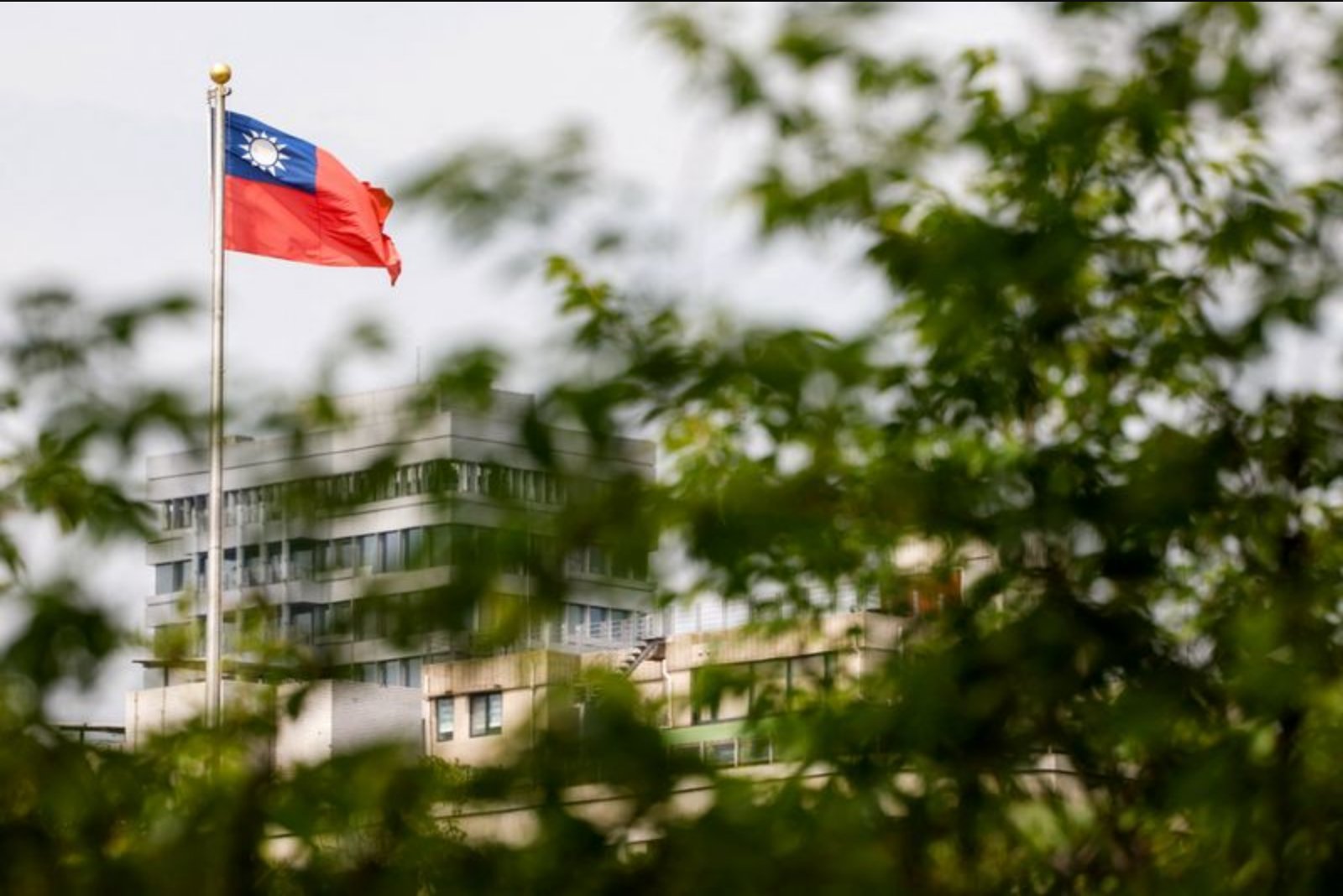
BEIJING/TAIPEI, May 13 - As U.S. President Donald Trump prepares to travel to Beijing for a two-day summit with Chinese President Xi Jinping, Beijing has once again voiced strong objections to U.S. arms sales to Taiwan, calling on Washington to honour its commitments.
China regards Taiwan - a democratically governed island - as its own territory, and the matter of weapons transfers to Taipei is expected to figure in talks between the two leaders. Under U.S. law, Washington is obliged to provide Taiwan with the means to defend itself despite the absence of formal diplomatic ties. In December, the U.S. announced an $11 billion weapons package for Taiwan - the largest such package to date.
Zhang Han, a spokesperson for China’s Taiwan Affairs Office, spoke in Beijing and said the issue is domestic to China and one for the Chinese people to resolve. "We firmly oppose the United States engaging in any form of military ties with China’s Taiwan region, and firmly oppose the United States selling weapons to China’s Taiwan region. This position is consistent and unequivocal," Zhang said.
She reiterated that Taiwan is the "core of China’s core interests" and framed the fulfilment of commitments by successive U.S. administrations as "international obligations that the U.S. side is duty-bound to fulfil." The U.S. officially takes no position on Taiwan’s sovereignty under its "One China" policy, while acknowledging - without accepting - Beijing’s position that the island is part of China.
Taiwan defence spending and timing
The summit comes shortly after Taiwan’s opposition-controlled legislature approved only two-thirds of a $40 billion special defence budget requested by President Lai Ching-te. The trimmed budget still provides funding for U.S. arms purchases but reduces domestic programmes, including those for drones.
A senior U.S. official said on Sunday that Washington was disappointed the approved defence spending fell short of what it assesses as necessary. A senior Taiwan security official told Reuters that the lower level of approved funding presents a political risk for Taipei in discussions with Beijing and Washington. The official said Beijing could use the smaller budget as leverage, arguing that Taiwan’s legislature opposes additional weapons purchases and urging the U.S. to respect the perceived will of the Taiwanese people in order to persuade President Trump to halt or reduce defence support for Taiwan.
Reuters reported in March that a second arms package, valued at roughly $14 billion, might be approved after President Trump returns from China, but the present status of that package is unclear.
Voices from Taipei and Beijing
On Tuesday, President Lai, who rejects Beijing’s claims of sovereignty over the island, addressed the Copenhagen Democracy Summit and described Taiwan as a "sovereign, independent nation" and a beacon of democracy that will not bow to pressure.
Responding to such statements, Zhang maintained Beijing’s stance that Taiwan "is a part of China that has never been, and would never be, a country." She said, "Our resolve to oppose Taiwan independence is as firm as a rock, and our capability to crush Taiwan independence is unbreakable."
China has not renounced the use of force as an option to bring Taiwan under its control, although Beijing asserts that its preferred route is "peaceful reunification."
Context and implications
The contrast between U.S. legal commitments to Taiwan’s defence and Beijing’s insistence that Taiwan is an internal matter creates a central point of friction as leaders prepare to meet. The timing of Taiwan’s budget approval, the recent $11 billion arms package announced in December, and the unclear status of a potential $14 billion follow-on package add layers of complexity to the discussions that will take place in Beijing.
As the summit approaches, officials on all sides appear to be positioning their narratives: Beijing emphasises sovereignty and opposition to foreign military ties with the island; Taipei asserts its independence; and Washington signals ongoing expectations about Taiwan’s defence needs.