
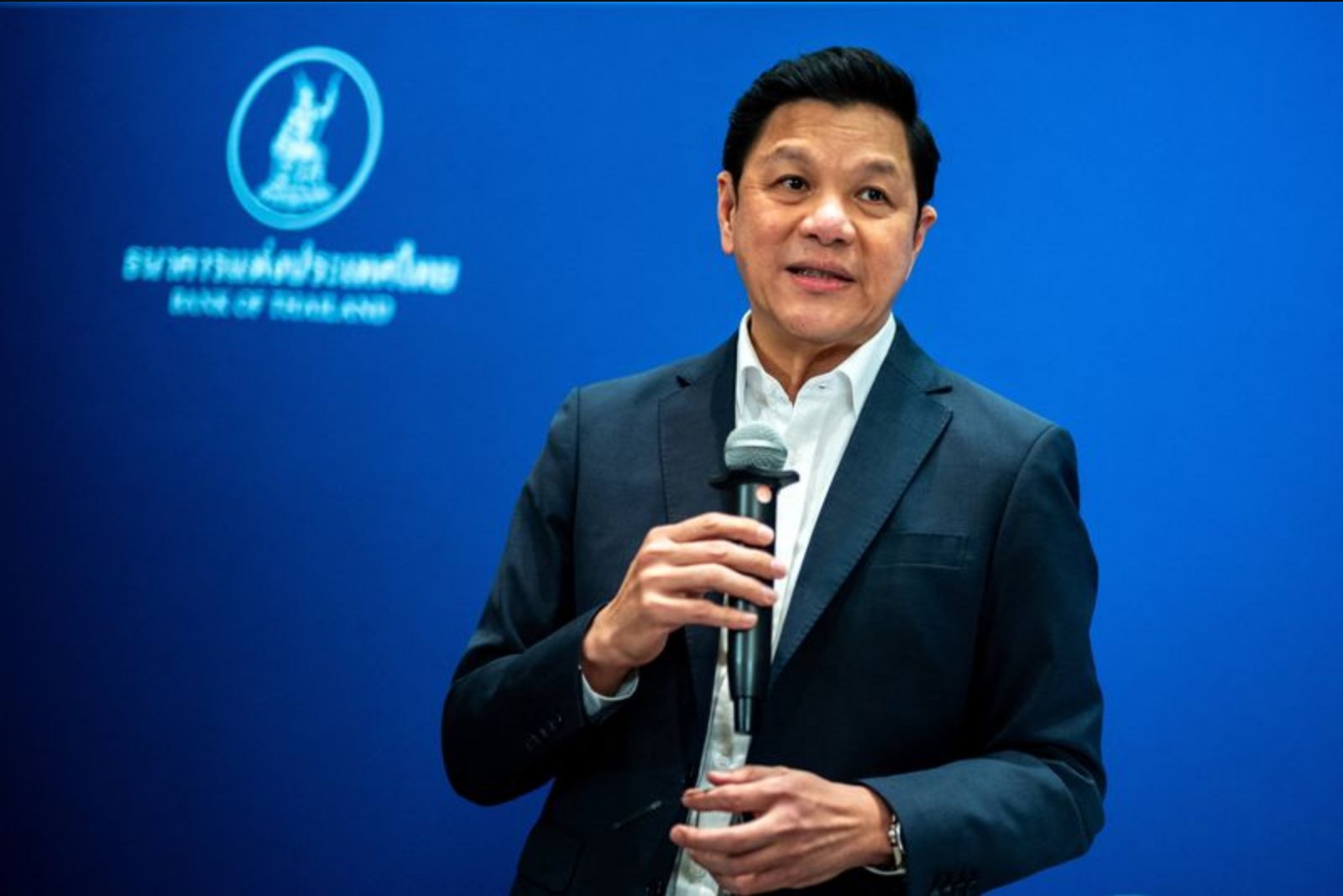
The Bank of Thailand signaled on Wednesday that it sees no immediate need to tighten monetary policy, saying the current stance is appropriate to support an economic recovery while supply-side inflation pressures are projected to ease next year.
Minutes of the central bank's April 29 policy meeting showed the monetary policy committee unanimously voted to keep the one-day repurchase rate unchanged at 1.00% as it evaluated the effects of higher oil prices stemming from the conflict in the Middle East. The next formal rate review is scheduled for June 24.
The minutes noted that inflation is expected to rise temporarily this year because of elevated energy costs and cost pass-throughs, but that the risks of a second-round inflationary episode were limited. The central bank described the current policy rate as appropriate to sustain the recovery while monitoring these pressures.
Concerns about the economic outlook were underscored in the minutes. The central bank said the country's outlook has dimmed and highlighted the need for a coordinated policy mix and structural reforms to manage the heightened risks linked to the Middle East war. Officials judged consumption-based stimulus measures to provide only short-lived support and recommended policy focus on structural transformation and preserving fiscal room for maneuver.
On growth, the minutes reflected a revised set of forecasts from Governor Vitai Ratanakorn. He raised the outlook to 2.1% for this year and 2.6% for next year, up from 1.5% and 2.0% respectively at the previous policy review. The upward adjustment this year was attributed in part to a 400 billion-baht loan decree approved last week and a planned consumer subsidy scheme set for June intended to bolster consumption. Separately, the government said it would seek cabinet approval to borrow an additional 200 billion baht.
Policymakers warned that the impact of the conflict in the Middle East extends beyond higher energy prices. The minutes said the shock has become broader-based, eroding purchasing power and increasing business costs. Against that backdrop, the Bank of Thailand expects overall credit growth to remain subdued during the year.
The minutes also reiterated inflation projections and targets. Governor Vitai has forecast headline inflation at 3.1% for this year, easing to 1.4% in 2027. These projections compare with the central bank's April estimates of 2.9% for this year and 1.5% for next year. The bank's inflation target range is 1% to 3%.
Southeast Asia's second-largest economy, which has lagged regional peers since the pandemic, expanded by 2.4% last year. The minutes and the revised forecasts reflect policymakers balancing the need to support recovery while guarding against persistent inflation and fiscal strain.
Context and next steps
- The monetary policy committee will reconvene on June 24 for its next review of the policy rate.
- Authorities have enacted a 400 billion-baht loan decree and plan a consumer subsidy scheme in June to lift consumption, while seeking approval to borrow an extra 200 billion baht.