
The prolonged hostilities in the Middle East are beginning to leave clear marks on global financial and economic activity. From sharp declines in Asian currencies to disruptions in aviation and mounting pressure on household budgets, the fallout is multi-faceted and is testing the resilience of markets and policymakers.
Asia's currencies under sustained pressure
Since the U.S. and Israel struck Iran in February, a number of Asian currencies have experienced some of the steepest falls among global foreign exchange markets. The region is particularly exposed because roughly 80% of sea-borne oil trade through the Strait of Hormuz is typically destined for Asian markets; any disruption to flows therefore has an outsized impact on the area.
Indonesia's rupiah fell to a record low on Tuesday, and other Asian fuel importers such as India and the Philippines have also seen their currencies reach historic lows. Authorities across the region have been active in foreign exchange markets for weeks, intervening directly or mobilising state banks to support their currencies, and officials are exploring further measures.
"Central banks will be reluctant to sell down reserves," said Mitul Kotecha, head of Asian FX and rates strategy at Barclays. "As such, we’re probably going to see more creative measures to support their respective currencies." Pressure has also been evident in currencies such as those of South Korea, Thailand and Malaysia.
Japan faces renewed yen weakness
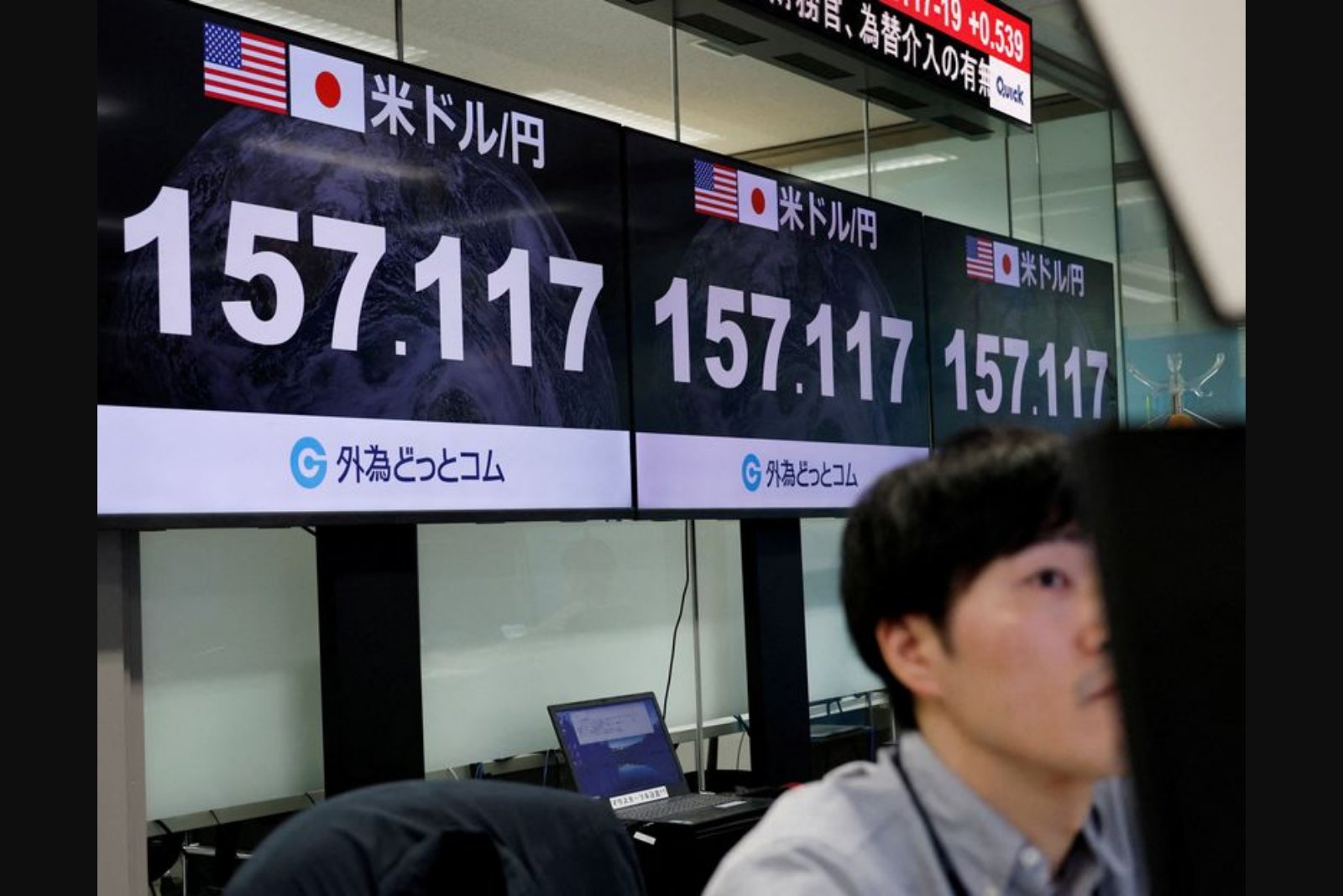
The conflict has added fresh downward pressure on the yen, compounding existing weakness linked to Japan's low interest rates and concerns about domestic borrowing-led growth plans. Japan imports about 95% of its oil from the Middle East, which makes the currency especially vulnerable to higher energy costs. Authorities have stepped in as the yen drifted toward the 160-per-dollar threshold in an effort to deter speculators.
"With oil prices spiking higher, traders naturally attacked the yen, since this is a low-yielding currency, but also one whose fundamentals is most adversely affected by high oil prices," said Thierry Wizman, global FX and rates strategist at Macquarie Group. Analysts cited in the reporting say that intervention alone is unlikely to reverse the yen's slide unless the conflict eases and Japanese interest rates rise in the near term.
Potential new food-price volatility
Food-price volatility that had been easing since the 2022 shock triggered by Russia's invasion of Ukraine now faces renewed upside risk. The Middle East conflict is tightening fertiliser supplies and pushing energy costs higher - both factors that can lift agricultural input costs. Those stresses could be aggravated by a return of the El Nino weather phenomenon, which brings additional uncertainty for harvests and shipping.
The Baltic shipping index has climbed to levels not seen since 2023, reflecting rising freight costs. Economies where food accounts for a large share of consumer inflation baskets, particularly many emerging markets, are expected to feel the impact most acutely. "Elevated food prices are a problem across the world, but particularly in economies where food makes up a large share of the inflation basket or food supplies are reliant on imports," said James Pomeroy, global economist at HSBC.
Household budgets squeezed at the pump
Higher energy costs show up quickly in consumer spending, and one of the most visible effects is at retail fuel pumps. U.S. average gasoline prices have climbed from roughly $3 to more than $4.50 a gallon, according to the motorist advocacy group AAA. The political and electoral implications of rising fuel costs are also being watched closely.
"If that continues to go up and we head towards $5, there’s going to be a lot of unrest domestically, and that might force Trump to change tack again on the war with Iran," said Guy Miller, chief market strategist at Zurich Insurance Group. Beyond petrol, the energy shock is expected to push up prices of household goods that use oil or natural gas in production, from toothpaste to laundry detergent. Rising inflation expectations are also drawing central-bank scrutiny; the European Central Bank's Consumer Expectations Survey showed one-year inflation expectations rising to 4.0% in March from 2.5% in February.
Aviation sector under renewed strain
Jet fuel costs have surged, elevating pressure on airlines that are already recovering from earlier crises. Since the conflict began, jet fuel prices have increased by nearly 84%, and industry sources warn that supply shortages could follow if the war persists. The ultra-low-cost carrier Spirit Airlines ceased operations earlier this month, explicitly citing rising fuel prices as a central factor in its failure.
Some carriers report that the immediate risk of supply disruption is easing, but airline equities remain weak. European airline stocks have fallen by roughly 14% so far this year, while the broader market has risen about 3%.
Bond markets and rising yields
Major sovereign bond markets steadied somewhat after an initial selloff tied to the conflict, but strains are re-emerging. In the U.S., the 10-year Treasury yield is hovering around 4.40%, which is about 40 basis points above pre-war levels. Higher U.S. yields increase borrowing costs globally and pose a particular risk for emerging markets that price debt relative to U.S. Treasuries.
Political factors are also adding stress to some local markets, such as the U.K.'s gilt market. Zurich's Guy Miller warned of a potential "danger zone" for equity and credit markets if 10-year Treasury yields rise above the 4.5% level, noting past disruption associated with such moves.
Across currencies, commodities, transport and debt markets, the economic impact of the extended conflict is visible and varied. Central banks, businesses and consumers are already adapting, but the duration and depth of the strains will hinge on developments in the region and the reaction of monetary and fiscal authorities elsewhere.