
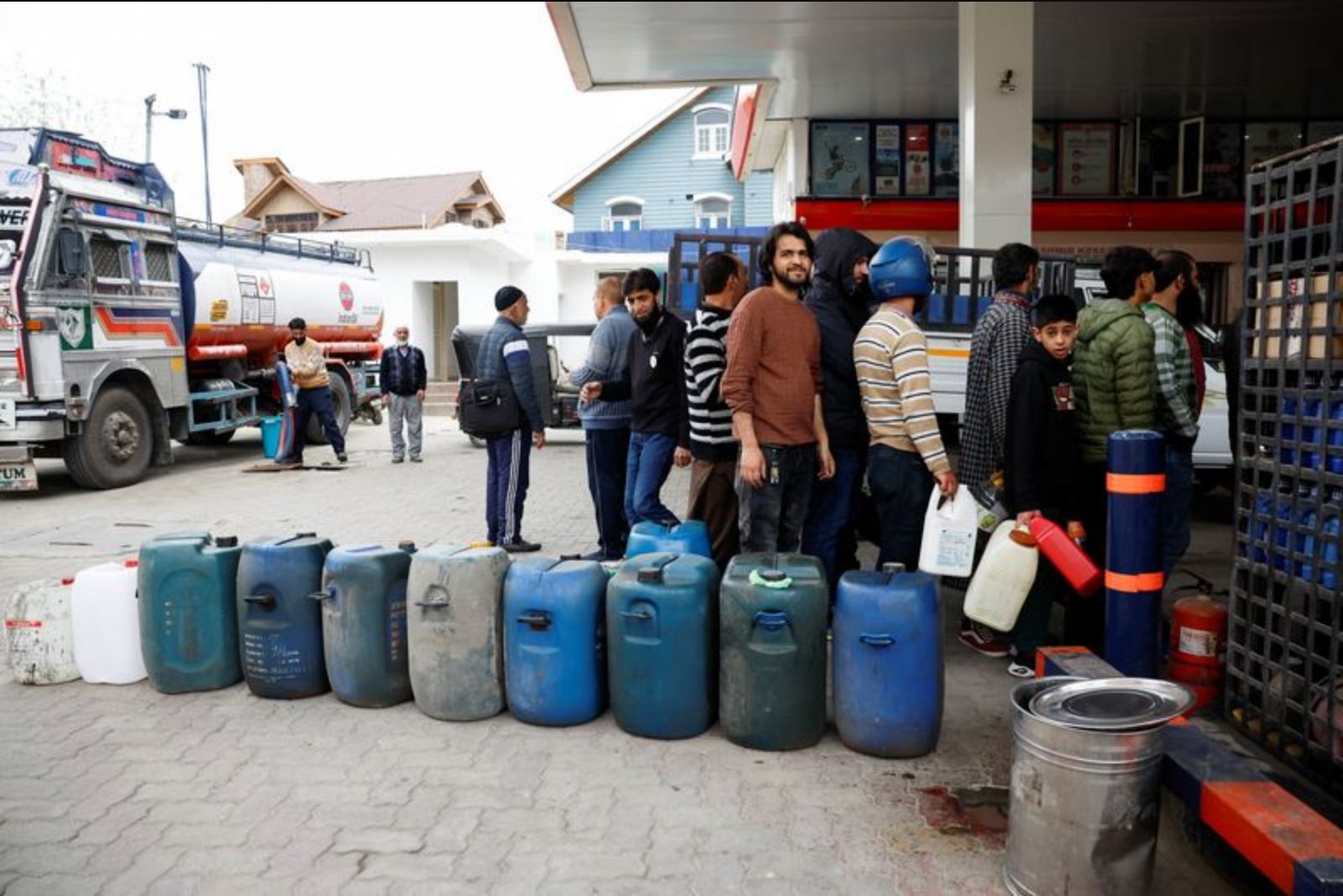
A sustained jump in energy prices tied to the Iran war has clouded India’s macro outlook and pushed authorities to invoke measures more commonly used in crisis conditions to shield the country from mounting external pressures. The disruption to global energy supplies - described as the most severe in history and ongoing since late February - has driven up the cost of imports and deterred overseas investors from Indian assets.
Economists have responded by trimming growth projections, lifting inflation forecasts and predicting ongoing pressure on the rupee. Forecasts cited by officials show the current account deficit swelling to 2.5% of GDP in the fiscal year ending March 2027, up from 0.9% the prior year.
India’s high dependence on energy imports leaves the currency particularly exposed if the Iran crisis endures. The country imports about 90% of its oil needs and roughly 50% of its gas requirements, factors that amplify the hit to the external position when energy prices surge.
"Managing the current account credibly, financing it, and preventing further currency depreciation are big imperatives for India this year amid the Gulf crisis," Chief Economic Advisor V. Anantha Nageswaran said on Tuesday.
Beyond the direct effect on the current account, capital flows have weakened sharply. Foreign portfolio investors have withdrawn more than $20 billion from Indian equities since the conflict began, and year-to-date outflows have already surpassed last year’s record pace. That wave of capital flight is adding stress to the capital account and complicating efforts to finance the wider current account deficit.
The rupee has reflected these twin pressures. Since the Iran war erupted the currency has depreciated by more than 5% and hit a record low this week, making it the worst-performing Asian currency so far in 2026.
In response, policymakers are resorting to a mix of demand-management measures and direct market interventions. Prime Minister Narendra Modi has urged a set of actions aimed at conserving foreign exchange, including encouraging citizens to reduce consumption that draws on FX reserves. Late on Tuesday the central government raised tariffs on precious metal imports with the specific aim of dampening demand and providing some cushion to the rupee.
The Reserve Bank has also acted in foreign exchange markets, selling dollars from its FX reserves and using rare regulatory powers to support the currency. Those steps reflect an effort to stabilise the external sector while the government seeks to slow outflows and limit further rupee depreciation.
Officials and economists note that the current episode echoes earlier external shocks, such as the Russia-Ukraine war in 2022, but began from a relatively stronger starting point. Prior to the most recent escalation, inflation was subdued and economic growth remained on solid footing, a contrast that offers some policy space even as external pressures mount.
Impacted sectors and market areas
- Energy and utilities - higher oil and gas import costs raise production and transport expenses across the economy.
- Financial markets - sustained foreign portfolio outflows and currency weakness affect equities and fixed income markets.
- External accounts - the current account and capital account are directly stressed, increasing financing needs.
The coming months will test how effectively the combined package of demand-side guidance, tariff adjustments and FX interventions can limit further deterioration in the rupee and stabilise the external position while policymakers manage the trade-offs inherent in those responses.