
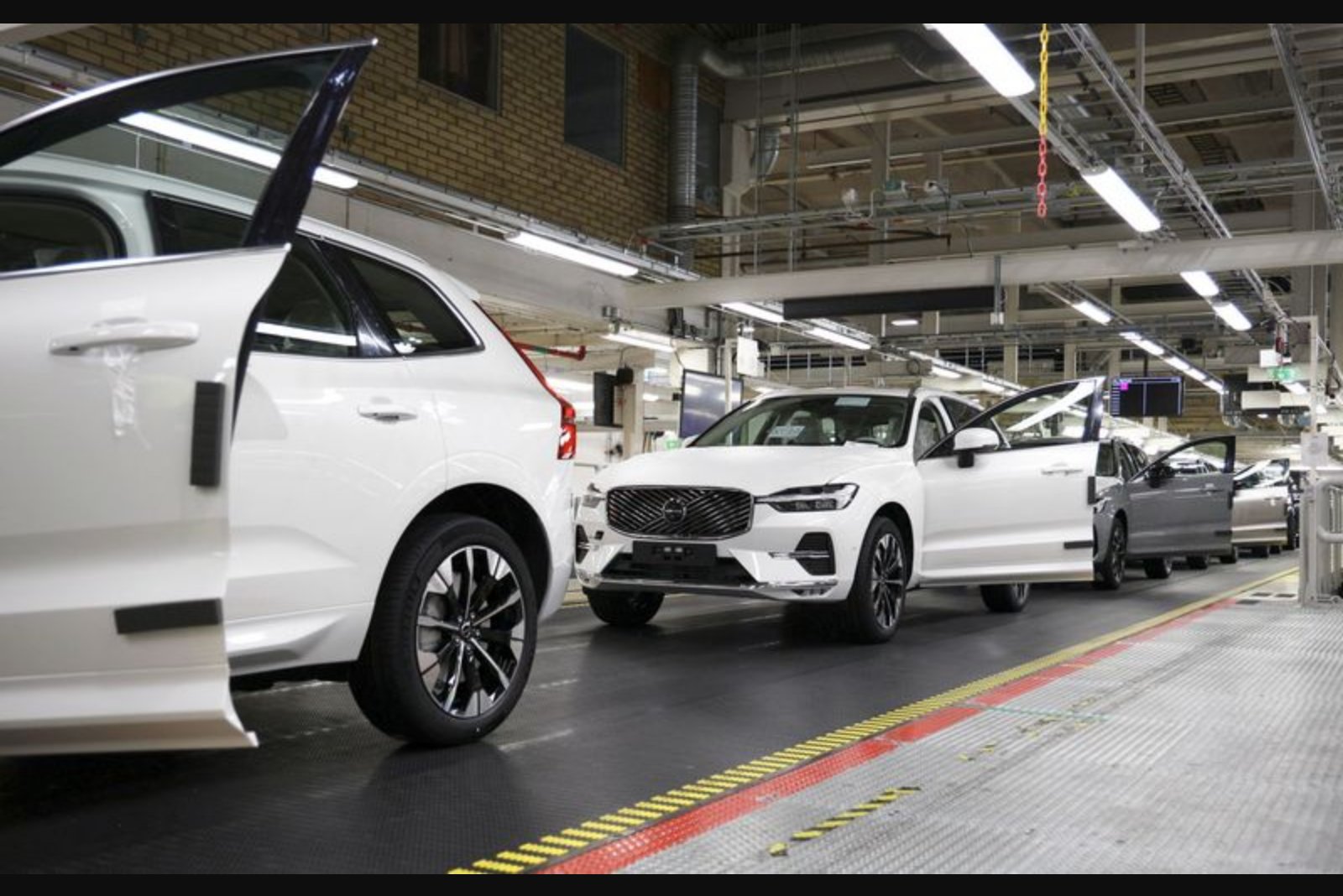
OSLO, May 13 - Sweden's Volvo Cars said it is willing to pursue cooperation with other firms in the United States as part of an effort to better utilise production capacity at its plant in South Carolina, the company's chief executive said on Wednesday.
Speaking at the FT "Future of the Car" conference, CEO Hakan Samuelsson described a range of potential collaborative activities, saying Volvo Cars is open to working with partners on assembly and construction as well as on sourcing and supply-chain functions. "That is something I think we need as we are now increasing our presence in the U.S.," Samuelsson said.
Samuelsson framed the move as a response to a changing global manufacturing landscape. "It’s part of the regionalisation of the world, we need to be much more industrially present in the U.S. and we need to fill the factory we have there," he said, underlining the company's intention to expand its U.S. output.
The comments come as global automakers revisit production strategies in reaction to duties on foreign cars imposed by President Donald Trump, measures intended to expand U.S. manufacturing. In that context, Volvo Cars has outlined several plans to increase vehicle production in the United States and is signalling an openness to shared approaches that span building vehicles, developing facilities and coordinating supply chains.
Volvo Cars is majority-owned by China’s Geely Holding.
Context and implications
Samuelsson's remarks point to a pragmatic strategy to make use of existing plant capacity in South Carolina by seeking partnerships that can contribute to assembly operations, construction of facilities or the sourcing of components. The approach ties directly to ongoing regionalisation trends that place a premium on local industrial presence and supply-chain resilience.
What was said
- Volvo Cars is open to cooperation in assembly, construction, sourcing and supply-chain activities in the U.S.
- CEO Hakan Samuelsson emphasised the need to increase Volvo's industrial presence in the United States and to fill the South Carolina factory.
- The move is occurring as automakers reconsider production strategies in response to duties on foreign cars introduced by President Donald Trump.
Note: This report reflects the company statements and public comments made by the CEO at the cited conference. It does not add or infer details beyond those provided in the remarks.