
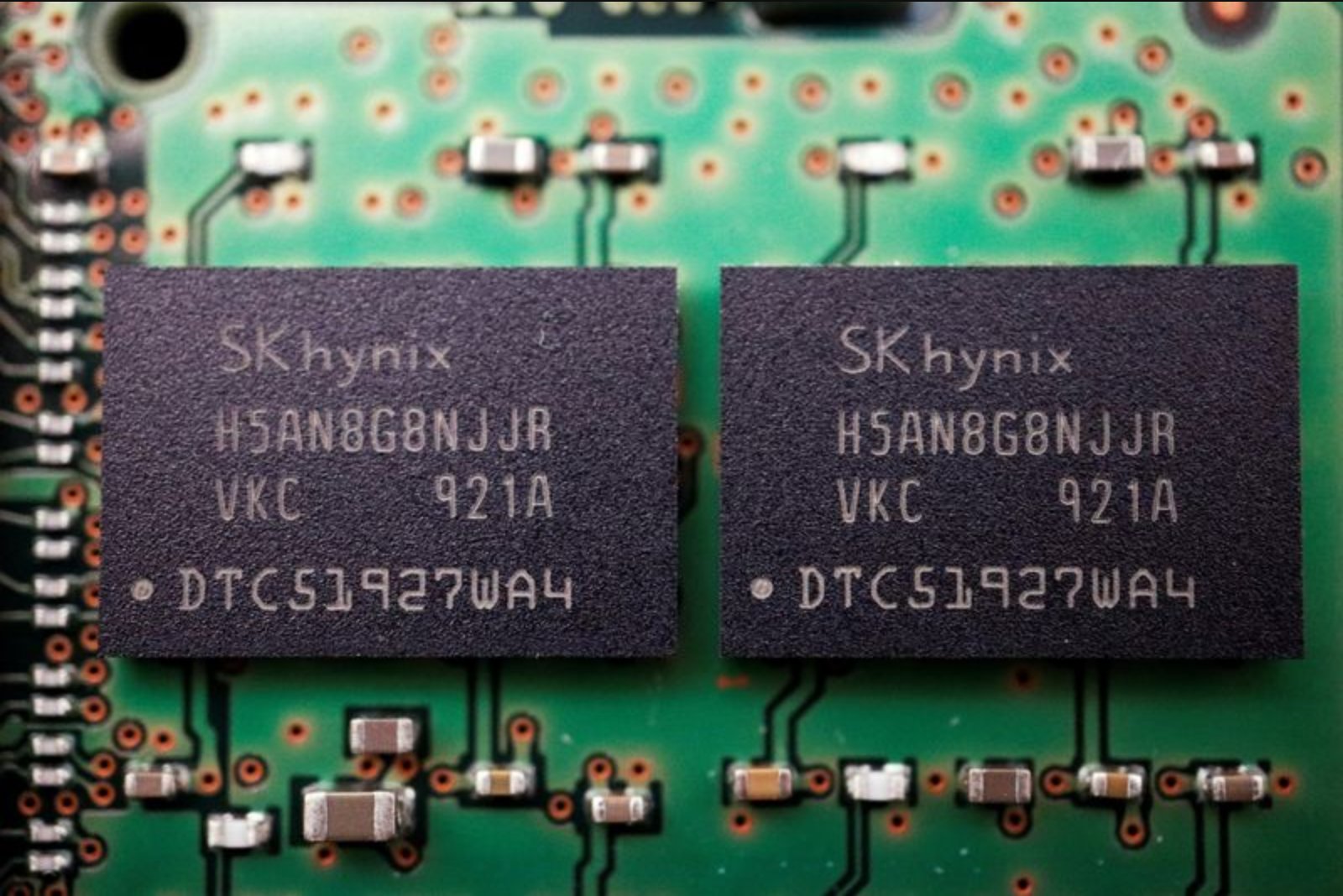
The market's appetite for semiconductor stocks has produced an unprecedented ETF launch. Since its debut on April 2, the Roundhill Memory ETF (DRAM) has drawn in in excess of $6 billion in assets, a pace that market data and analysts say makes it the fastest-growing ETF ever.
Industry observers point to investor enthusiasm for the memory-chip segment - driven by expectations that surging data center demand related to artificial intelligence will create a prolonged shortage - as the core reason behind DRAM's rapid accumulation of capital. According to Dave Nadig, chief investment officer at ETF Trends, investor interest was immediate: it took only 10 trading days for DRAM to reach its first $1 billion in assets.
That momentum continued last Friday, when the fund recorded $1 billion in net inflows in a single trading session following a strong day for global chipmakers. "People are jumping in with both feet," Nadig said, describing the speed and scale of the flows.
Market participants and strategists have highlighted DRAM's appeal as a simple means to gain exposure to the booming semiconductor market without selecting individual names. Thomas DiFazio, an ETF strategist at Roundhill, noted that many semiconductor benchmarks typically include a single large memory-chip company listed in the United States - Micron. By contrast, DRAM's portfolio includes South Korea's SK Hynix and Samsung Electronics, both of which have been trading at record levels and are represented in the ETF.
"A lot of investors view this as a proxy for alluring but otherwise hard-to-access Korean stocks," said Steve Sosnick, market strategist at Interactive Brokers, adding that the fund also features Japanese and Taiwanese companies active in the memory-chip industry.
Retail interest has been particularly notable. Vanda Research, which monitors retail trading activity, reported that on Monday self-directed investors bought $55 million of the ETF, marking the largest daily retail inflow since DRAM's launch and exceeding the daily retail purchases of some high-profile semiconductor stocks as investors sought broader industry exposure. "DRAM is rapidly emerging as the poster child for the ongoing semiconductor frenzy," Vanda said in a client note. Viraj Patel, global macro strategist at Vanda, told Reuters he struggled to find another ETF where retail investors bought so much in so short a period.
While the inflows and market gains underline the fund's popularity, they have also contributed to elevated volatility. DRAM fell about 7% on Tuesday as chipmakers pulled back from recent highs, a larger retreat than that of the Philadelphia Stock Exchange Semiconductor Index, which experienced a smaller decline. Such rapid reversals have prompted some investors, even those optimistic about the long-term memory-chip outlook, to question whether the segment has become overbought and whether the intense trade will cool.
Despite the pullback, Sosnick observed that DRAM remains trading above recent moving averages and characterized the broader trend as intact. The pattern highlights a fundamental tension for investors: the potential for sustained demand-driven shortages in memory chips versus the risk that an overheated trade can produce abrupt, sizable corrections.
Context from market metrics and behavior
- Launch date: April 2; timeframe since launch: five weeks.
- Assets accumulated since launch: more than $6 billion.
- Time to first $1 billion: 10 trading days.
- Largest recent single-session inflow: $1 billion net on a recent Friday.
- Retail daily inflow noted by Vanda Research: $55 million.
- Recent intraday decline: roughly 7% on Tuesday, outpacing the Philadelphia Stock Exchange Semiconductor Index.
The emergence of DRAM as a record-setting ETF illustrates how thematic investing and retail enthusiasm can rapidly concentrate capital into a targeted sector. For investors seeking semiconductor exposure, the ETF offers a packaged route to the memory-chip niche, including participation in non-U.S. firms that may be harder to access individually through U.S.-listed indexes.
At the same time, the pace of inflows and microstructure dynamics point to heightened susceptibility to short-term swings. The combination of intense retail interest and outsized daily flows can amplify price moves in both directions, creating a more volatile experience for those participating in the trade.
For market participants weighing entry, the current situation presents both an opportunity to gain focused exposure to companies tied to AI-driven data center demand and a reminder of the risks that accompany rapid, sentiment-driven rallies.