
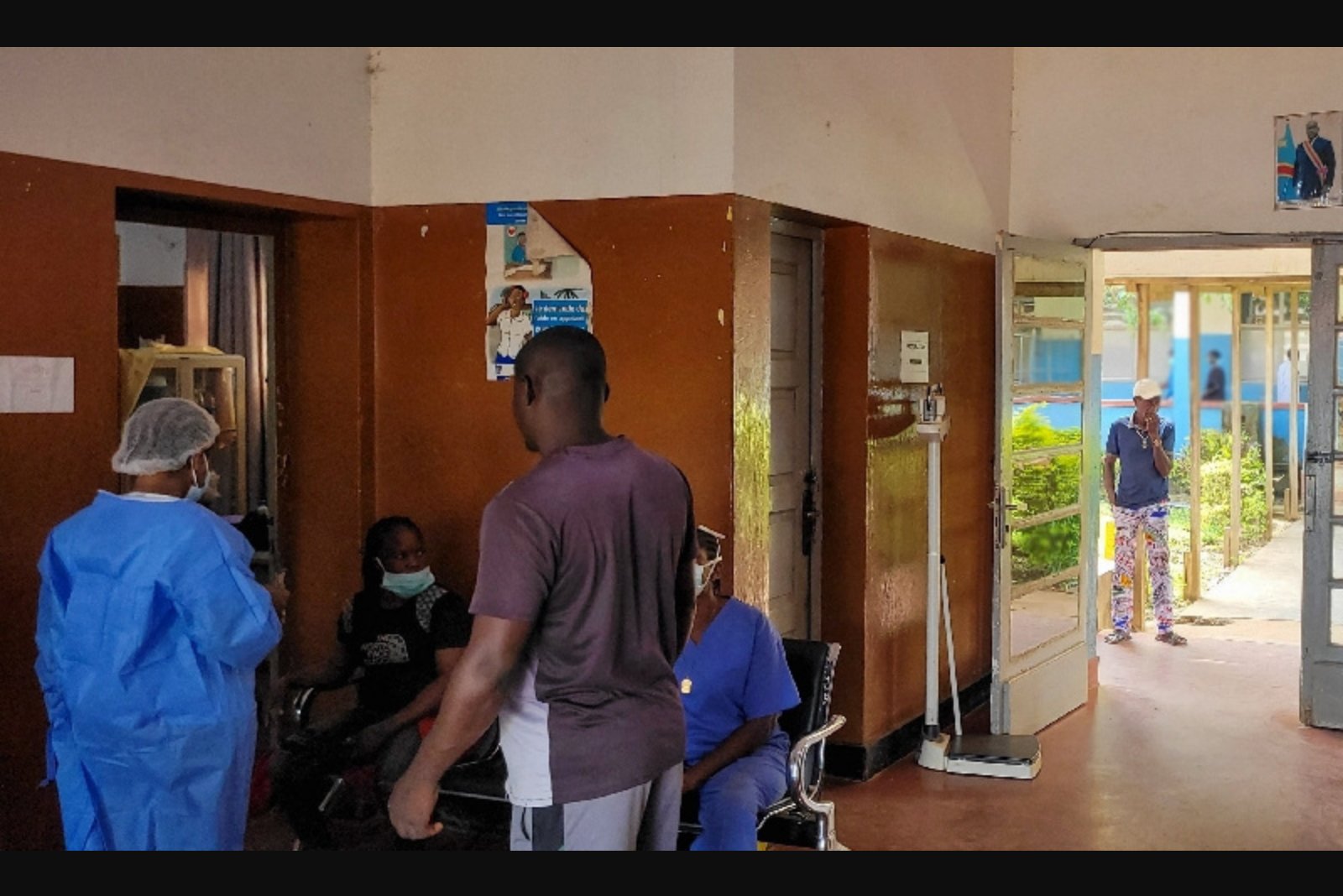
Medical teams and aid organisations were moving quickly on Monday to contain a newly identified Ebola outbreak in eastern Democratic Republic of Congo (DRC) after a slow initial detection coincided with a rapid rise in suspected cases and fatalities.
The World Health Organization (WHO) on Sunday declared the situation a public health emergency of international concern, citing the high risk that the disease could spread beyond DRC after two infections were confirmed in Kampala, the capital of neighbouring Uganda.
Local authorities say the outbreak is suspected to have claimed around 80 lives in recent weeks. Laboratory testing has confirmed eight cases, and health officials have recorded 246 suspected infections in Ituri province in eastern DRC. An additional case was reported in Goma, the capital of neighbouring North Kivu province, according to the M23 rebel group that controls the city.
International partners have begun logistical and medical support. The U.S. Centers for Disease Control and Prevention said on Sunday it was aiding partners in evacuating a small number of directly affected Americans. A delegation led by DRC Health Minister Samuel Roger Kamba arrived in Bunia, the capital of Ituri, on Sunday carrying tents intended for the rapid establishment of treatment centres to relieve overstretched local hospitals.
"This is not a mystical disease," the health minister told Reuters. "Make yourself known so that you can be taken care of and so that we can prevent the disease from spreading." The emphasis on early presentation to care aims to reduce transmission and ease diagnostic and treatment efforts.
WHO’s representative in DRC, Anne Ancia, said that the agency had depleted its stocks of protective equipment in the capital Kinshasa and was preparing a cargo plane to bring additional supplies from a depot in Kenya. Aid groups including the International Rescue Committee and Medecins Sans Frontieres reported that they had teams responding on the ground in Ituri.
Complicating the response is the specific viral strain involved. Authorities have identified the outbreak as being caused by the Bundibugyo virus. Unlike the more commonly encountered Zaire strain of Ebola, the Bundibugyo virus has no approved virus-specific therapeutics or vaccine. That limitation reduces the range of medical countermeasures available to clinicians and responders.
DRC’s recent history with Ebola includes a large outbreak from 2018 to 2020 in North Kivu and Ituri provinces that proved deadly and difficult to control, killing nearly 2,300 people. The earlier response was hampered by widespread armed violence and local distrust of health teams. Those same dynamics are present again in parts of eastern Congo: in recent weeks fighting between rival armed groups in Ituri has killed scores of civilians, exacerbating an already-dire humanitarian situation and complicating access by responders.
Local testimony points to a potential trigger for the spread. Jean Pierre Badombo, the former mayor of Mongbwalu, a mining town at the epicentre of the current outbreak, said people began falling ill in mid-April after a large open-casket funeral procession arrived from Bunia. "After that, we experienced a cascade of deaths," he said.
The testing timeline illustrates the challenges in detection and confirmation. WHO Director-General Tedros Adhanom Ghebreyesus said that WHO first learned of suspected cases on May 5 and sent a team to Ituri. Initial samples taken in the field tested negative. Subsequent laboratory analysis in Kinshasa yielded positive results on May 14, and WHO declared the outbreak on the following day.
Weakening surveillance is cited as a factor that allowed the virus to spread before a robust response was mounted. Lievin Bangali, IRC’s senior health coordinator in DRC, warned that declining funding from international donors had eroded disease-detection networks. "When surveillance networks break down, dangerous diseases like Ebola are able to spread further and faster before communities and health workers can respond," he said.
The outbreak’s cross-border implications were made clear when two cases appeared in Kampala, prompting Uganda to alter public events in response. Ugandan authorities postponed next month’s Martyrs’ Day celebrations, a national holiday that typically draws thousands of pilgrims from eastern DRC.
Ebola is transmitted through direct contact with the bodily fluids of infected people or contaminated materials. WHO notes that the virus’s average fatality rate is around 50%, with past outbreaks ranging from 25% to 90%.
As responders mobilise tents, protective equipment, and medical teams in Ituri and beyond, health officials and aid organisations face the twin challenges of delivering supplies into areas affected by insecurity and rebuilding surveillance capacity that was eroded by funding cuts. The coming days will be critical in determining how quickly transmission chains can be interrupted and how effectively health services can absorb new patients while protecting staff and the wider community.