
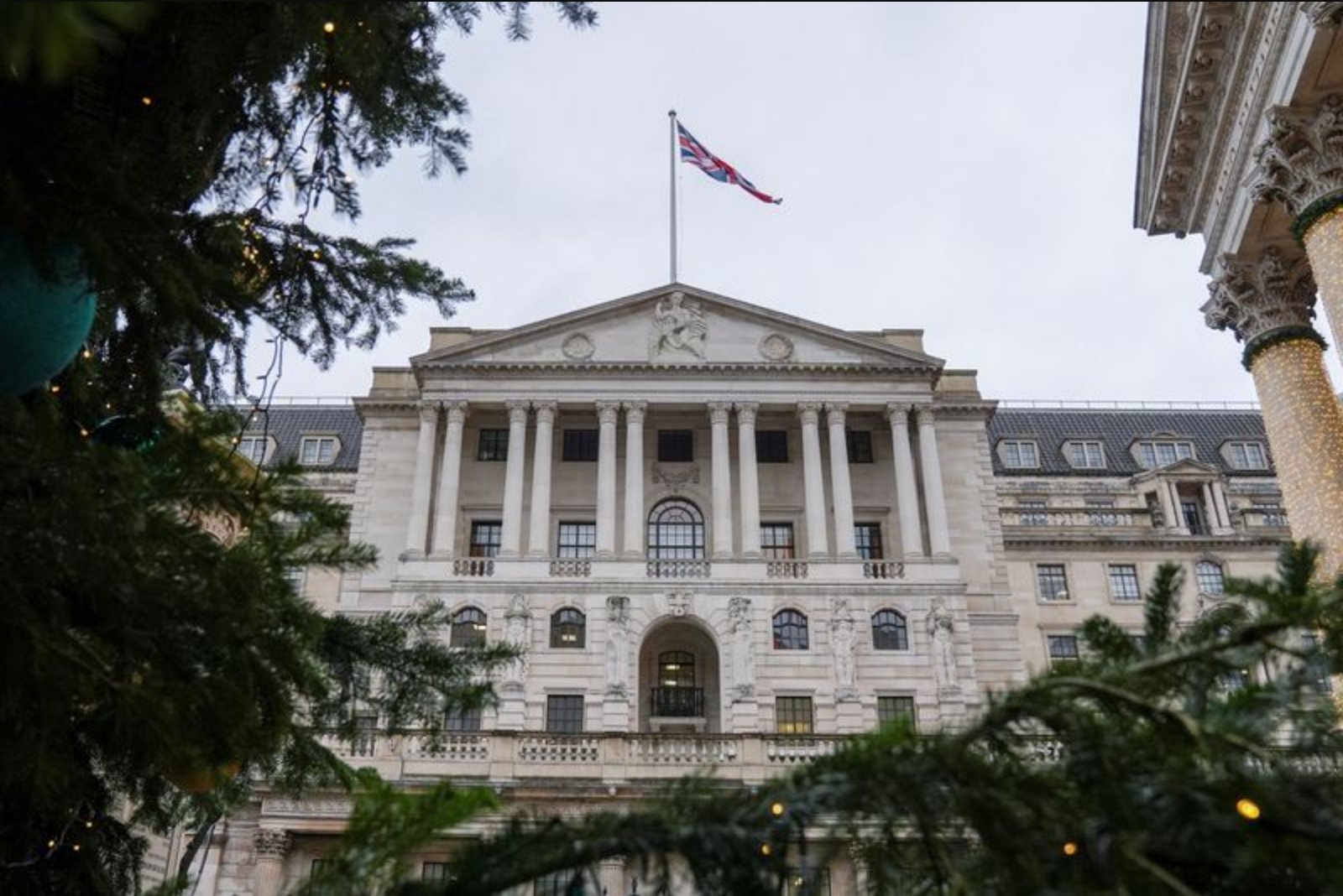
Megan Greene, a member of the Bank of England’s Monetary Policy Committee, cautioned policymakers not to treat the inflationary effects of the Iran war as necessarily transient and argued central banks cannot simply wait for full empirical confirmation before positioning on interest rates.
Speaking at a Financial Times event on Monday, Greene characterised the conflict-driven price pressures as part of a broader pattern of supply shocks. "This is our third negative supply shock in five years. We do have to worry about wage and price setting," she said, adding that the conventional practice of looking through negative supply shocks is no longer reliable when such shocks arrive in succession. "Traditionally you look through negative supply shocks, but I think when you have successive ones, actually that’s outdated folklore and we shouldn’t be looking through them anymore."
Greene, who joined her colleagues in voting to keep Bank Rate unchanged at the April meeting, also signalled that a policy tightening could become necessary at future meetings. She noted that the broader, second-round consequences of the recent spike in energy prices - including higher wage demands from workers or more generalised increases in firms' selling prices - would not become fully visible immediately, saying those effects would take about a year to materialise.
Another MPC member, Catherine Mann, emphasised the need for fresh data to gauge upward pressures on inflation. Mann said she was awaiting official April inflation figures due on Wednesday as well as more forward-looking indicators to inform her assessment. She also flagged a different channel of uncertainty: the potential instability around the future of the British prime minister. On the sidelines of a conference in Budapest organised by Hungary’s central bank, Mann said political uncertainty could weigh on activity and thereby push inflationary dynamics in the opposite direction.
"Instability of a variety of types is deleterious to decision-making by firms and households, and so it does tend to be associated with ... ’let’s wait and see’, and so that’s not good for growth," Mann said.
Market pricing at the time suggested investors expected at least two Bank of England rate hikes before year-end. By contrast, most economists surveyed by Reuters in the prior week predicted no change in borrowing costs over the same period. The divergence between investor expectations and economists' forecasts underscores the uncertainty surrounding both the persistence of the current supply shock and the timing of any policy response.