
The International Monetary Fund has nudged up its forecast for Britain’s economy to 1.0% growth for the year, an upgrade the IMF attributes to pre-war economic momentum, recent stronger-than-expected activity and revisions to prior data. The revision, announced in the Fund’s annual assessment of the U.K., lifts the outlook from a 0.8% forecast issued last month when the IMF downgraded its global outlook because of risks tied to the war in the Middle East.
Despite the upward adjustment, the IMF noted that growth is set to slow from 2025 and that near-term prospects are being dampened by the conflict in the Middle East. The Fund’s analysts highlighted the twin headwinds of external shocks and domestic policy uncertainty as factors that could erode consumer confidence and business investment plans.
Monetary policy and inflation
The IMF expects inflation to climb to just under 4% by the end of the year, but said the Bank of England would likely be able to restore inflation to its 2% target by the end of 2027 without raising interest rates, provided energy prices fall in line with market expectations. That assessment comes with an explicit caveat: if the Iran conflict causes energy prices to remain higher than markets currently anticipate, the BoE may face the need to either cut or raise rates.
The IMF urged the central bank to be ready to respond forcefully should second-round effects materialize - for example, if wage demands or firms' price-setting behavior feed into a persistent inflation cycle.
Political turbulence and market reaction
Recent speculation over the prime minister’s future has increased volatility in financial markets. Over the past two weeks, worries about weaker fiscal discipline tied to political instability pushed benchmark 10-year U.K. borrowing costs to levels not seen since 2008. The IMF warned that such domestic uncertainty could compound an already volatile global backdrop and hold back spending and investment decisions in the private sector.
To guard market confidence, the Fund reinforced the importance of the government keeping to its deficit reduction agenda, which targets a balanced budget for non-investment spending by 2029/30. The IMF also recommended fiscal restraint and stressed that any new measures to ease the cost-of-living should be temporary, well-targeted and paid for through tax rises or spending cuts rather than additional borrowing.
Official reactions
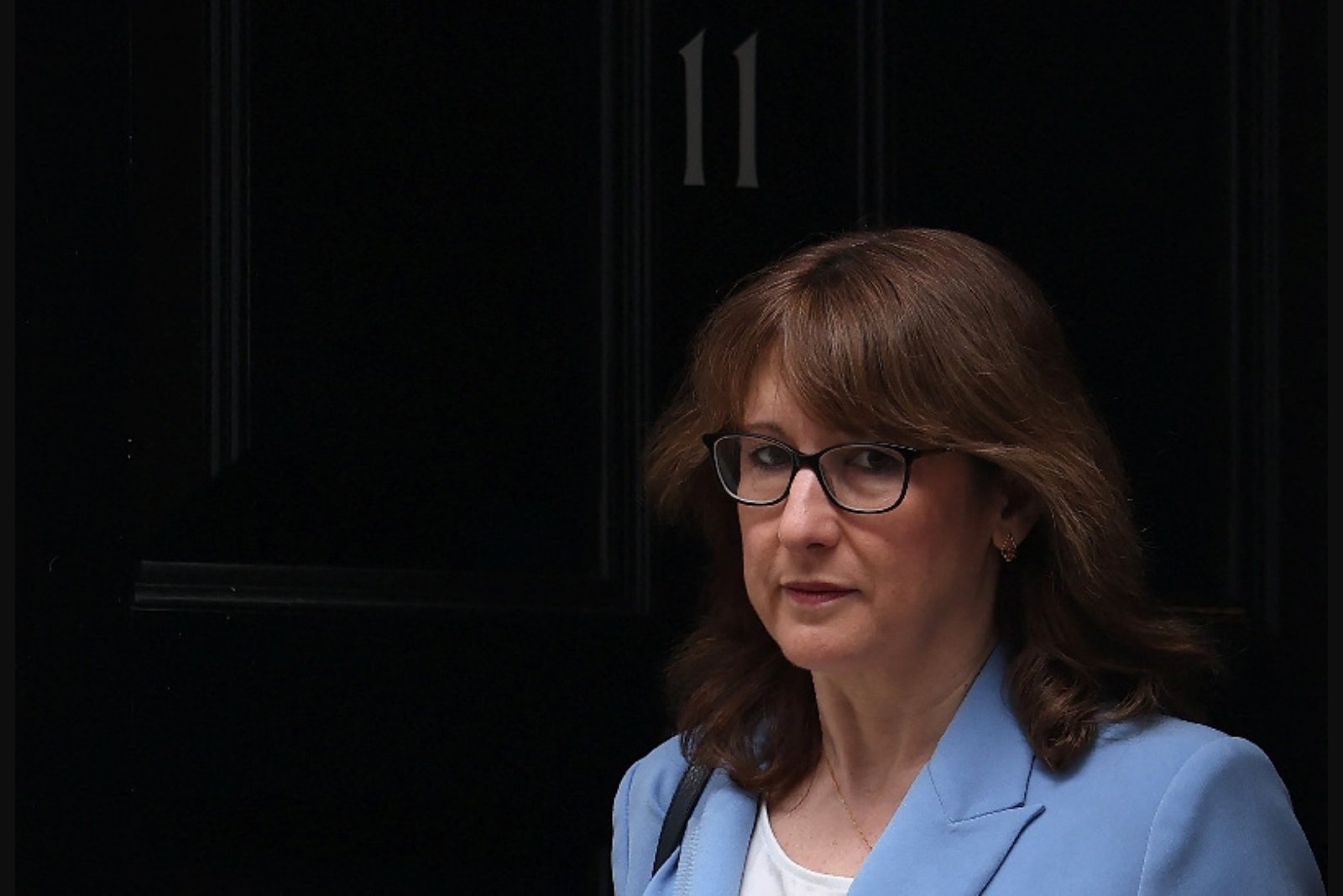
In response to the IMF’s revised outlook and its assessment of U.K. policy, the finance minister welcomed the upgrade as evidence that the government’s economic plan is delivering. She cautioned potential rivals within government that destabilising challenges at a time when progress is emerging could harm families and businesses.
The IMF mission chief in London underscored market preferences for predictability in policymaking. He observed that today’s fiscal and monetary choices are being made against a backdrop of more frequent and overlapping shocks, a rising public interest bill driven in part by market concerns over elevated sovereign debt, and the long-standing problem of weak productivity growth.
Fiscal and structural guidance
Beyond short-term cost-of-living support, the IMF recommended structural steps the government should consider to shore up public finances and medium-term growth. The Fund suggested broadening the base of value-added tax and reforming property taxation, while emphasising the need to control rising welfare spending. Any energy support, the Fund said, should be narrowly targeted and temporary.
The IMF also cautioned that the government’s proposed push to streamline financial regulation requires careful calibration. It warned that the cumulative impact of multiple regulatory changes - those already implemented and those under consideration - should not weaken the resilience of the financial system.
Revisions and comparative adjustments
Earlier in April, the IMF’s forecasts included a 0.5 percentage-point downward revision to a previous projection for British growth in 2026, the largest reduction among Group of Seven nations at that time, a move the Fund attributed largely to the U.K.’s high exposure to international energy prices. The more recent adjustment announced in the Fund’s assessment represented a smaller 0.3-percentage-point downgrade for that same forecast, matching the scale of Germany’s earlier revision in the April report.
What this means for markets and sectors
The IMF’s assessment links several channels through which the revised outlook and the noted risks could influence markets: sovereign borrowing costs, investor appetite for U.K. assets, consumer spending and business investment decisions. The Fund’s emphasis on energy-price sensitivity and the need for targeted, temporary support highlights the particular exposure of households and energy-intensive sectors. Its caution on financial regulatory changes points to potential implications for banks and the broader financial services industry.
Overall, the Fund’s updated forecast and its warnings about domestic political turbulence underscore the tight interplay between economic momentum, external shocks and policy credibility. Policymakers face competing pressures to support households, preserve financial stability and maintain fiscal credibility in an environment the IMF describes as unusually volatile and subject to overlapping risks.