
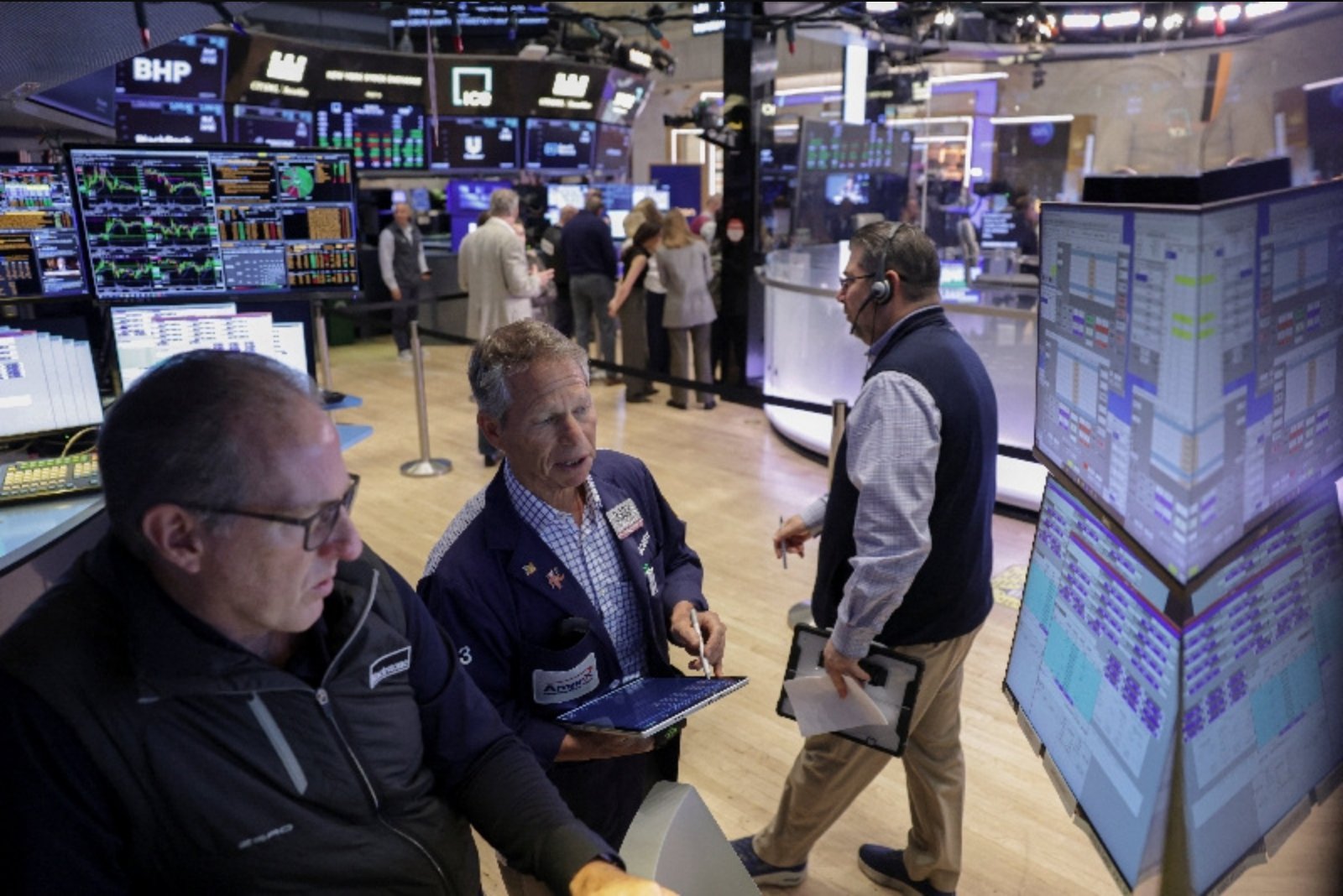
On May 18, U.S. stock index futures moved modestly lower as upward pressure on Treasury yields and a surge in oil prices weighed on sentiment. The benchmark 10-year Treasury yield rose as high as 4.631% earlier in the day - its strongest reading since February 2025 - before retreating slightly to 4.597% later in the session.
Bond-market selling accelerated in part because oil prices climbed sharply, prompting investor concern that inflationary pressure could keep borrowing costs elevated. Brent crude futures traded at $110.21 a barrel after attempts to de-escalate the Iran conflict appeared to stall following a drone strike on a nuclear power plant in the United Arab Emirates. The oil move added to a broader market unease that rising yields could spill over into other asset classes.
"The concern for investors is that higher yields do not stay confined to bond markets. They can weigh on equity valuations, particularly in growth and technology sectors, while also increasing pressure on governments carrying large debt burdens," said Lale Akoner, global market strategist at eToro.
Equity markets had recently been buoyant, with the S&P 500 and the Nasdaq reaching record highs as enthusiasm for artificial intelligence helped investors look past inflationary worries tied to higher energy costs. That optimism cooled following a sharp rout in the bond market last Friday, which pushed traders to reassess the likelihood of tighter policy for longer.
Using the CME FedWatch tool, market pricing now implies a greater than 40% probability that the Federal Reserve will raise interest rates in January, a shift traders attributed to hotter-than-expected inflation readings reported last week. Investors will be watching minutes from the Fed’s most recent policy meeting, due for release on Wednesday, for indicators of internal debate about moving toward a neutral stance and away from an easing bias.
At 05:47 a.m. ET, futures were tracking lower across major contracts: Dow E-minis were down 313 points, or 0.63%; S&P 500 E-minis had lost 21.5 points, or 0.29%; and Nasdaq 100 E-minis were off 27.75 points, or 0.09%.
Corporate earnings remain a central focus for the market this week. Nvidia, the world’s most valuable company, is scheduled to report quarterly results on Wednesday. Expectations are elevated after the stock climbed 36% from a March low, and the Philadelphia SE Semiconductor Index has jumped more than 60% as investors chase robust demand for AI-related chips.
Walmart, the globe’s largest retailer, will also release earnings this week. Its report is expected to provide additional clarity on how U.S. consumers are managing the impact of higher energy bills and broader inflationary pressures.
In premarket activity on Monday, a few individual stocks saw notable moves. Dominion Energy surged 11.2% after a Bloomberg News report said NextEra Energy was in talks about a mostly stock deal that would value Dominion at roughly $76 a share, or about $66 billion. By contrast, UnitedHealth Group slid 5.9% after Berkshire Hathaway disclosed it had sold many of its smaller stock holdings, including its stake in the health insurer.
With the Fed minutes, oil-market volatility, and heavyweight earnings all converging this week, investors face several near-term data points that could influence the path of yields and equity valuations. Market participants will be watching whether elevated bond yields remain confined to fixed income or exert broader pressure on growth-sensitive segments of the market.
Key sections:
- Bond yields and oil prices driving market moves
- Fed minutes and inflation readings shaping rate expectations
- Corporate earnings from Nvidia and Walmart as near-term catalysts