
Summary: Constraints on shipments through the Strait of Hormuz have forced countries to shift fuel production priorities and draw on stocks, producing shortages of several refined products. India, dealing with an acute LPG shortfall, has told refiners to boost LPG output for domestic cooking needs. As a result, refiners have curtailed alkylate production, a component critical to California's low-emissions gasoline blend. The combination of reduced alkylate availability and already constrained gasoline supplies has pushed retail prices in California above $6 a gallon and threatens further increases.
The near-closure of the Strait of Hormuz amid the U.S.-Israeli war with Iran has sent shock waves through the global oil trade, cutting off flows that previously accounted for about one-fifth of the oil transiting the waterway. The immediate consequence has been a scramble by consumers and refiners worldwide to manage the resulting fuel shortfalls - from depleting strategic and commercial stockpiles to altering production plans.
India, which relies on LPG as the primary household cooking fuel for large parts of its population, has been hit particularly hard. With more than 90% of its LPG imports coming from the Middle East before the conflict, New Delhi has instructed its refiners to reallocate capacity toward maximizing domestic LPG output. That regulatory and operational pivot is understandable given public pressure and shortages that have led to long queues and businesses warning of potential closures.
But there is a tradeoff. Alkylates - motor fuel additives produced in part using LPG feedstock - are being reduced as refineries prioritize household fuel. Alkylates are especially valued in California because they deliver cleaner combustion and are a required component of the state's specialized gasoline blend designed to reduce smog. The drop in alkylate output from India is compounding supply concerns already present in California, where fuel production and exports from Asian refiners have fallen amid limited access to Middle Eastern crude.
"With India’s LPG supply constrained by the closure of the Strait of Hormuz, refiners there are producing and exporting less alkylate, adding pressure to an already tight California gasoline market," said Mason Hamilton, chief economist for the American Petroleum Institute industry group.
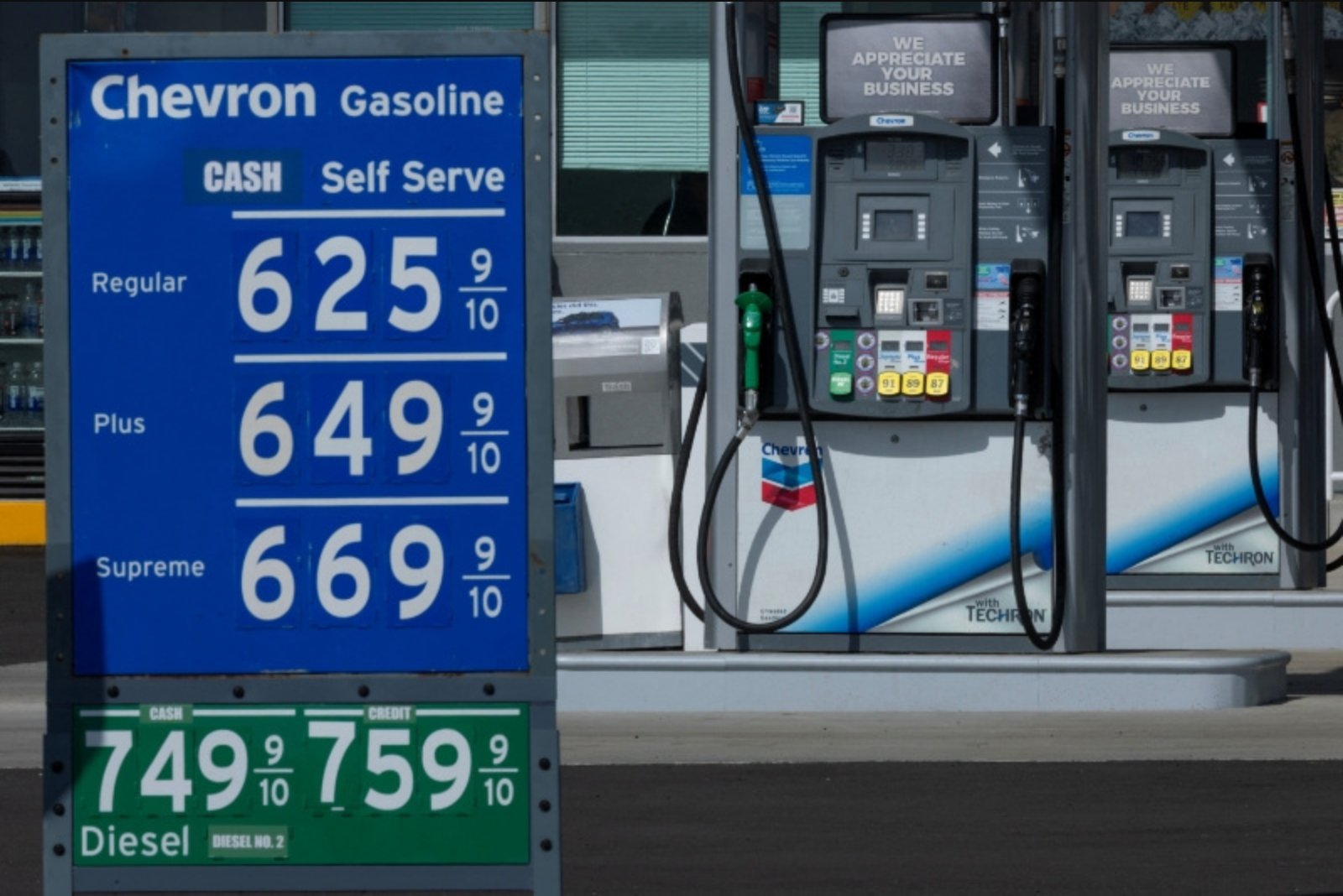
For motorists in California, the consequences have been immediate. Retail gasoline averaged $6.14 per gallon on Friday, having reached $6.16 on May 7 - the highest level in more than three years - while state gasoline inventories sit near record lows, according to GasBuddy. Analysts warn that the shortfall in alkylates could push California prices even higher as the summer driving season increases demand.
Patrick De Haan, an analyst at GasBuddy, emphasized the sensitivity of California prices to alkylate availability. "The more acute the alkylate supply shortfall becomes, the higher it could push prices in California," he said. De Haan added that prices could climb past $6.50 per gallon in the coming weeks if conditions deteriorate.
California faces additional cost pressure from U.S. environmental rules that mandate cleaner-burning gasoline during the peak summer months, with the state enforcing the strictest such requirements in the country. Those rules make California blends more costly to produce compared with the national average, which stood at $4.52 per gallon on Friday, GasBuddy reported. Kpler lead research analyst Nikhil Dubey noted that California's stricter mandate raises costs relative to the rest of the United States.
The supply squeeze on alkylates is tangible in trade data. Kpler reported that India's total alkylate exports fell to 33,000 barrels per day in April, roughly half of the 61,000 barrels per day exported in March, and the lowest monthly export level since October 2023. Major refiners have signaled responses to the LPG shortage. Reliance, which operates the world’s largest refinery in Jamnagar, Gujarat, stated this month that it was cutting alkylate output and exports to boost LPG production.
Domestically in India, the LPG scarcity has been severe enough that people have waited hours for cylinders only to be refused service and forced to resort to black market purchases. Restaurants and other businesses dependent on cooking fuel have warned they might be forced to close if supplies do not improve - underscoring the domestic economic and social stakes behind the production decisions that are reverberating internationally.
For California policymakers, options are limited as long as disruptions linked to the Iran war continue. Short-term measures such as tax waivers that lower pump prices can have counterproductive effects by increasing demand and further straining the already constrained alkylate supply. "You can’t put more pressure on a system struggling under the existing weight on it," De Haan said.
That constraint frames the debate for Governor Gavin Newsom and state officials. One possible intervention would be to waive certain fuel specifications to reduce reliance on alkylates, an approach GasBuddy's De Haan described as potentially the only meaningful lever to ease blending constraints. However, the California Energy Commission, while monitoring developments and acknowledging India's shifting priorities, stated it currently sees a healthy supply of gasoline and blending components and does not anticipate a shortfall. The CEC also said it did not believe waiving blending requirements would be helpful to the state's situation.
As the global situation evolves, the immediate link between India’s prioritization of cooking fuel and California’s gasoline market serves as a clear illustration of how disruptions in one part of the energy chain can propagate across vast distances, affecting retail prices, refining economics, and consumer-facing sectors such as transportation and hospitality.
Key points
- Disruption of shipments through the Strait of Hormuz has constrained global oil and LPG flows, forcing buyers to draw on stocks and adjust production.
- India’s shift to maximize LPG for household cooking has reduced alkylate production and exports, tightening supply of a crucial gasoline additive for California.
- California is experiencing its highest gasoline prices since 2022, with the state average at $6.14 per gallon and the national average at $4.52 per gallon, increasing the risk of steeper price rises during the summer driving season.
Risks and uncertainties
- Continued disruption in Middle Eastern crude and LPG shipments could further depress alkylate exports from refiners, exacerbating price pressures in regions reliant on those imports; energy and transportation sectors are affected.
- Policy responses such as tax waivers may raise demand and deepen supply shortfalls rather than provide relief, complicating decisions for state governments; consumer spending and retail sectors could be impacted.
- Operational decisions by refiners to prioritize household cooking fuel over motor-fuel additives create uncertainty for gasoline blenders, particularly in markets with strict emissions blends; refining margins and fuel distributors face exposure.