
Stock Markets May 18, 2026 06:07 AM

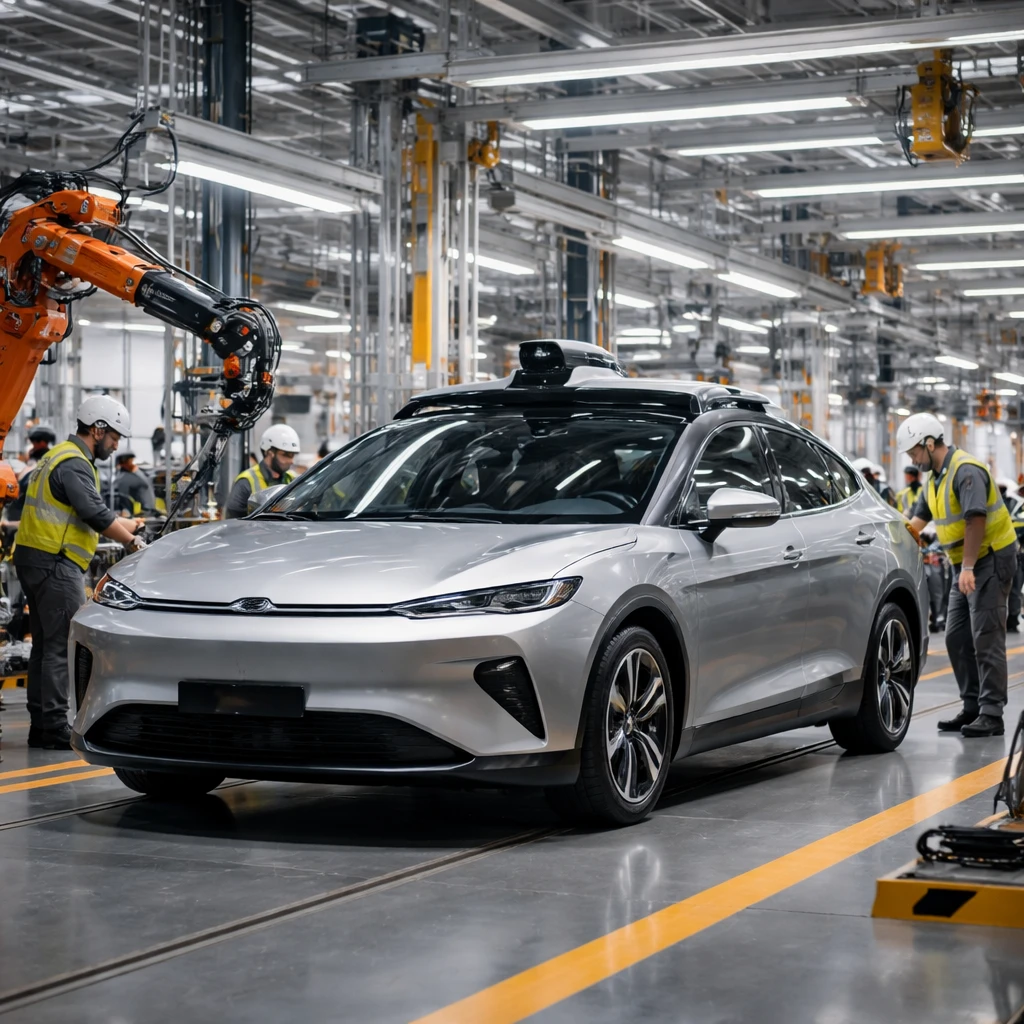
Xpeng launches mass production of its first robotaxi at Guangzhou plant

Company says vehicle is built on GX platform and targets fully driverless service by early 2027

By Priya Menon

Xpeng has started mass production of its inaugural robotaxi at its Guangzhou headquarters, deploying a vehicle built on the company’s GX platform. The automaker plans pilot operations in the second half of this year and aims to introduce fully driverless services by early 2027, while projecting production of hundreds to thousands of units over the next 12 to 18 months.

Xpeng launches mass production of its first robotaxi at Guangzhou plant

Key Points

  • Xpeng has begun mass production of its first robotaxi at its Guangzhou headquarters.
  • The robotaxi is built on Xpeng’s GX platform and is described as China’s first production-ready, pre-assembled robotaxi developed with in-house technologies.
  • Pilot operations are planned for the second half of this year; the company aims for fully driverless operations by early 2027 and expects to produce hundreds to thousands of units over the next 12 to 18 months.

Chinese electric vehicle manufacturer Xpeng announced on Monday that it has commenced mass production of its first robotaxi at the company’s Guangzhou headquarters. The vehicle is based on Xpeng’s GX platform and, according to the company, is the first production-ready, pre-assembled robotaxi in China developed using in-house technologies.

Xpeng said it intends to begin pilot robotaxi operations in the second half of this year. Company leadership has set a broader target of launching fully driverless operations by early 2027.

President Brian Gu told investors last month that Xpeng expects to manufacture anywhere from hundreds to thousands of robotaxis over the next 12 to 18 months. That production projection was provided as a near-term manufacturing outlook tied to the beginning of mass production at the Guangzhou facility.

The robotaxi represents a move by Xpeng deeper into driverless mobility and humanoid robotics, an expansion of focus beyond its traditional passenger vehicle business. The company said the new model is built using its internal technologies and positioned as a pre-assembled, production-ready offering.

The firm has described the vehicle as being developed on its GX platform. Xpeng called the robotaxi China’s first production-ready, pre-assembled robotaxi model developed with technologies produced in-house.

The company’s timing includes pilot launches slated for the second half of this year and a target for fully driverless operations by early 2027. Production ambitions tied to the current ramp-up envision a significant build rate over the next one to one-and-a-half years, with the expectation of delivering between hundreds and thousands of units during that period, as stated by President Brian Gu last month.

This push into autonomous mobility and robotics comes as competition intensifies in the nation’s auto market. Xpeng has positioned the robotaxi program as a strategic initiative alongside its broader product and technology efforts.


Impact areas - The manufacturing and automotive technology sectors may be directly affected by Xpeng’s production ramp, with potential implications for supply chain activity, production rates, and capital allocation within the electric vehicle and robotics segments.

Risks

  • Timing and execution risk - The company has set targets for pilot launches in the second half of this year and fully driverless operations by early 2027, which depend on successful implementation and regulatory clearances. (Impacted sectors: automotive, transportation technology)
  • Production scale uncertainty - While Xpeng expects to produce hundreds to thousands of robotaxis in the next 12 to 18 months, achieving that output will require smooth conversion of assembly ramp-up into delivered units. (Impacted sectors: manufacturing, supply chain)
  • Competitive pressure - Xpeng’s move into driverless vehicles and humanoid robotics occurs in an increasingly competitive domestic auto market, which may affect market share and capital allocation. (Impacted sectors: automotive, robotics)

More from Stock Markets

India Says Oil Purchases from Russia Continued Unaffected by U.S. Waiver Status May 18, 2026 State Legislatures Reject Wave of Anti-Vaccine Bills Backed by MAHA Supporters May 18, 2026 Musk Says Driverless Tesla Cars Without Safety Monitors Will Expand Across U.S. This Year May 18, 2026 Ryanair CEO says Europe has sufficient jet fuel supplies for summer May 18, 2026 Judge to Decide Whether Backpack Evidence Can Be Used in Trial Over UnitedHealthcare Executive's Killing May 18, 2026