
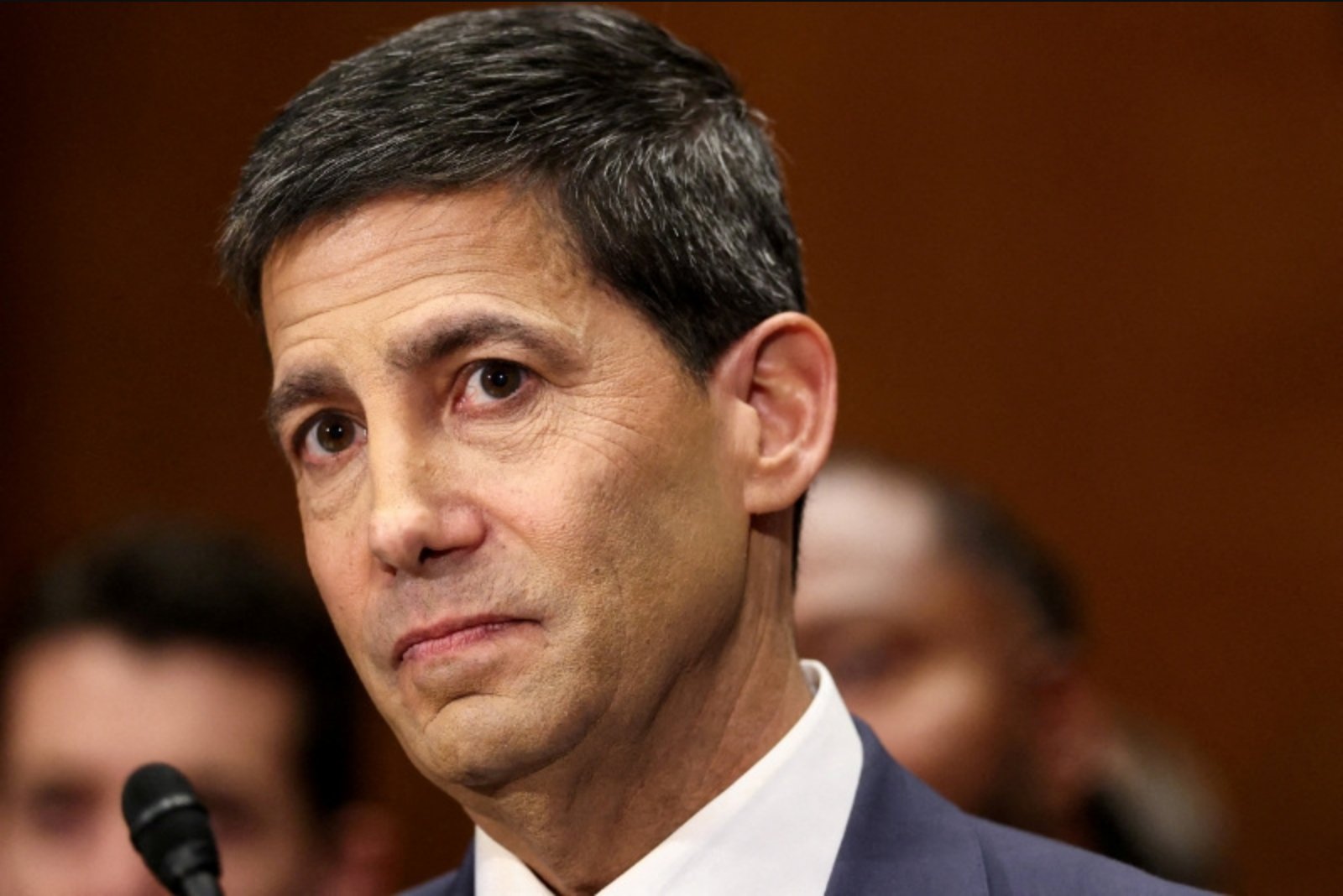
WASHINGTON, May 18 - After years of tension between the White House and the Federal Reserve, a global pandemic, and a protracted battle against elevated prices, the U.S. central bank is entering a new chapter as former governor Kevin Warsh prepares to be sworn in as chair. The change in leadership coincides with a shift for President Donald Trump, who will no longer direct his public ire at departing Chair Jerome Powell even though Powell will remain on the Fed board and continue to lead the central bank in an acting capacity until Warsh officially assumes the role.
Warsh, the president's selection to head the central bank, brings the prospect of a reset in relations between the Oval Office and monetary policymakers. In 2016, Powell was only months into his initial term when he became a target of presidential criticism over interest-rate increases. Today, with the White House publicly seeking lower rates, Warsh may still face disappointment from the administration because of persistent inflationary pressures and the decidedly hawkish tilt among several Fed officials. Market participants currently anticipate that Warsh could confront the need to raise rates as soon as January.
Inflation
Promises from the White House that prices would fall early in the administration have not been borne out by inflation statistics. A combination of ongoing effects from import tariffs, a spike in oil prices during the U.S.-Israeli war on Iran, and continued robust investment and consumer spending have left inflation running further above the Fed's 2% target as Warsh takes over.
Several members of the Fed's governing body have voiced concern that price pressures are building. The tenure that Powell led did oversee higher average inflation than his predecessors. A recent period of apparent slowing in the pace of price increases - often called disinflation - has reversed course following the twin shocks of higher tariffs and rising energy costs.
Unemployment
Alongside its mandate to achieve price stability, the Fed is charged with supporting strong employment. Those two objectives sometimes collide: tighter policy aimed at reducing inflation can cool job growth, while looser policy to support employment risks stoking further price increases.
So far, despite the need to bring inflation down, the unemployment rate has remained comparatively low at 4.3% by historical standards. Advocates for rate reductions argue the labor market may be weaker than headline numbers indicate, warning of a genuine risk of a rapid rise in joblessness if policy is misjudged. However, in recent public commentary policymakers have expressed greater concern about rising prices.
The Balance Sheet
The Fed's balance sheet is an idiosyncratic element of the U.S. financial architecture. Although it technically accounts for items such as the nation's gold holdings and the physical dollars in circulation, the bulk of its current $6.7 trillion in assets and corresponding liabilities is concentrated in U.S. Treasury and mortgage-backed securities.
Those large positions function as a form of central bank cash placed into the economy in exchange for government and mortgage debt. They were accumulated to help the U.S. economy withstand acute shocks, including the COVID-19 pandemic, and are being retained as part of the toolkit the Fed uses to manage short-term interest rates.
Warsh is expected to examine regulatory and policy options intended to pare back the size of the balance sheet. That effort could provoke extended discussions and yield limited immediate progress. Warsh has publicly expressed confidence in his capacity to deliver broad "regime change," and observers may judge his success in part by how effectively he can reduce the balance sheet. Any progress will also depend on how factors such as the U.S. Treasury's debt issuance plans and the reactions of international investors interact with the Fed's actions.
Long-term yields on U.S. government debt have already been moving higher. Because those yields help determine what consumers pay for home mortgages and other loans, a smaller Fed balance sheet could add further upward pressure on borrowing costs.
Interest Rates: Up, Down or Sideways?
The Fed has held its policy rate steady since December, and most policymakers judge the current federal funds rate range of 3.5% to 3.75% to be roughly appropriate. The prevailing view is that this stance remains slightly restrictive - enough to temper demand and weigh on inflation without immediately triggering a sharp rise in unemployment. Policymakers also believe the rate could be cut quickly if conditions warranted to sustain the labor market.
Yet a subset of Warsh's colleagues has grown increasingly anxious about the prospect of persistent inflation and would like the Fed's policy statement to signal that further rate hikes, rather than cuts, are a real possibility. Such language would present Warsh with an early test of leadership and could amount to a hawkish shift when he faces his first policy meeting in June.
The coming policy debate under the new chair is likely to be broad and may take time to resolve. Topics expected to feature in those discussions include the potential impact of artificial intelligence on jobs and productivity, and structural forces shaping the labor force such as an aging population and sharply reduced immigration levels under the current administration.
Where this leaves markets and policymakers
Investors and officials alike face an uncertain policy landscape: a Fed chair with a mandate to balance price stability and employment; persistent inflation pressures tied in part to tariffs and energy prices; a large balance sheet whose reduction could lift long-term rates; and a disagreement among policymakers about whether to tighten further. The initial period of Warsh's leadership promises intense scrutiny of how quickly the central bank will act and what tools it will deploy to navigate the tradeoffs ahead.