
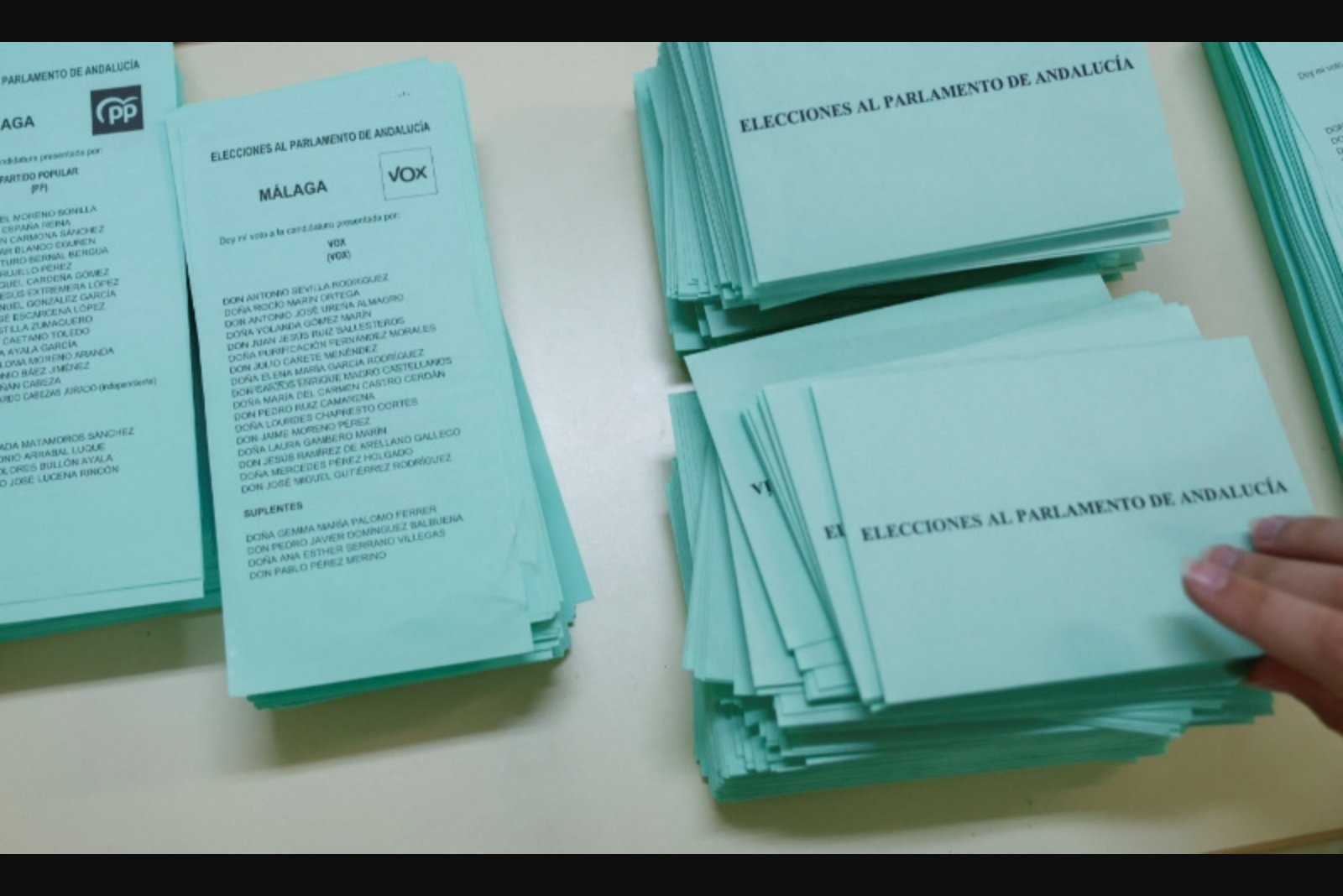
The conservative People’s Party emerged as the largest single party in Sunday’s regional election in Andalusia but failed to retain an absolute majority, according to official results announced on Monday. The PP won 53 seats in the 109-seat regional parliament, down from 58 in 2022 and short of the 55 seats needed for outright control.
With no majority secured, the PP now faces the reality of depending on the far-right Vox party to form a governing coalition. Vox increased its representation to 15 seats, up from 14 in the previous election. The PP has already struck power-sharing agreements with Vox in the regions of Extremadura and Aragon and is widely expected to complete a similar arrangement in Castile and Leon in the coming weeks.
The Socialist Party lost two seats, falling to 28, which the results show is its poorest performance to date in Andalusia, a region that had been a Socialist stronghold until 2018. The left-wing regionalist group Adelante Andalucia made notable gains, rising to eight seats from two, while the leftist alliance Por Andalucia retained its five seats.
Campaign themes in Andalusia centred on perceived weaknesses in public health provision, the problem of drug trafficking and persistent unemployment. These issues were highlighted repeatedly during the run-up to the vote and emerged as factors that shaped voter preferences in the most populous Spanish region.
Regional PP leader Juanma Moreno, who had run on a platform promising a moderate administration without the need for Vox support, acknowledged the shortfall: "We said it would be complicated. We have fallen short," he said.
On the Socialist side, Maria Jesus Montero - until recently the country’s Budget Minister and Prime Minister Pedro Sanchez’s first deputy - accepted the disappointing result and said her party would analyse and learn from the outcome.
Observers view the Andalusia ballot as a significant test ahead of a national election expected next year, with the same right-wing bloc hoping to displace Socialist Prime Minister Pedro Sanchez after nine years of left-of-centre governance. For the PP, negotiating the terms of a coalition with Vox marks a return to a cross-spectrum alliance that was first formed in 2018 and later rendered unnecessary by the PP’s 2022 absolute majority.
What are the best investment opportunities in 2026? The pitch from some market services is that better outcomes start with higher-quality data. One promotional line that circulated after the vote argued that using institutional-grade data and AI-powered analysis can reduce costly mistakes and help identify more successful investments, though it stops short of guaranteeing winners. The same message urged investors to complement judgement with stronger information tools.
The Andalusia result leaves political leaders and markets watching how coalition talks unfold and what policy shifts might follow, particularly in the areas highlighted during the campaign: health services, efforts against drug trafficking, and measures to address unemployment.