
Introduction
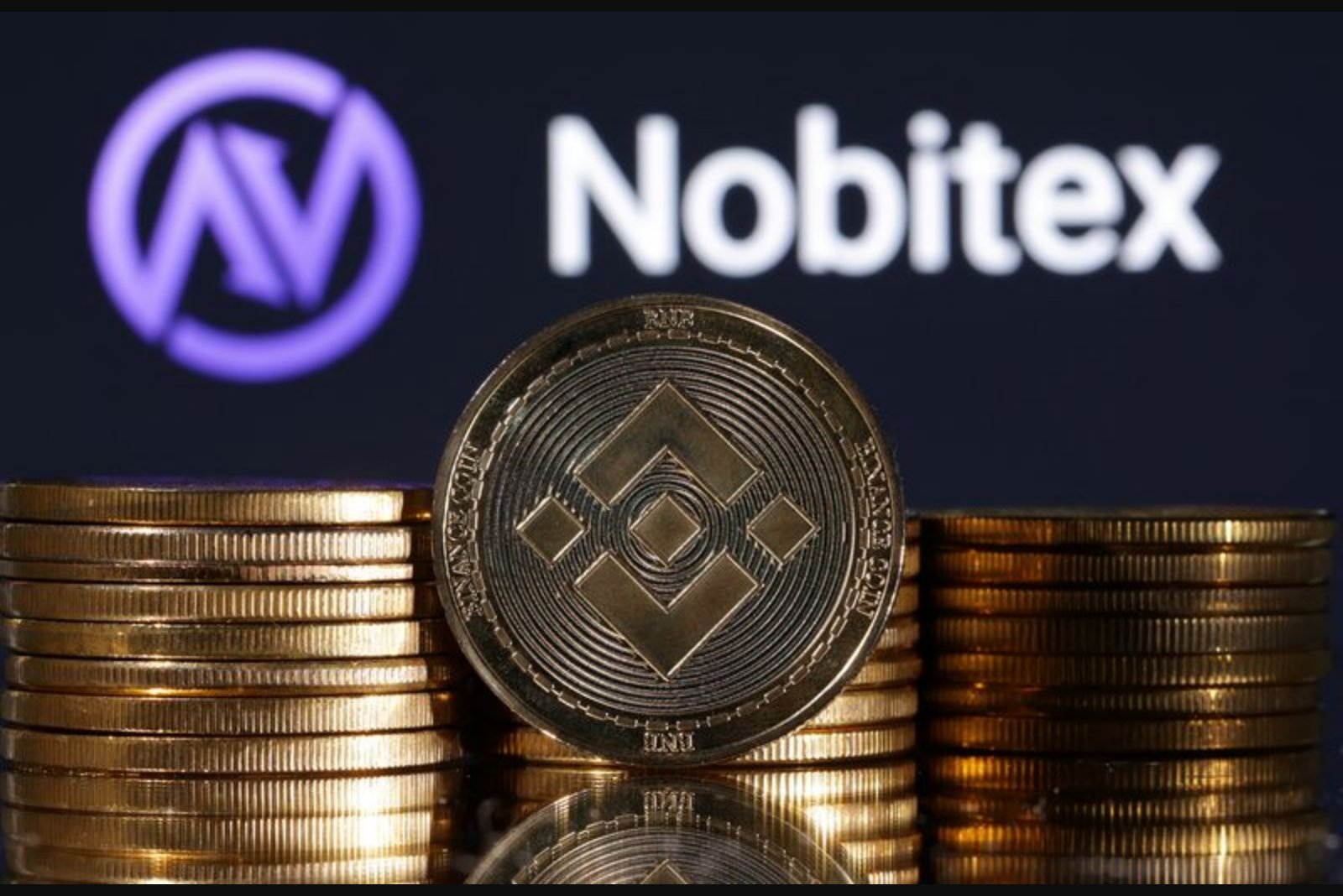
Analysis of public blockchain data shows that Iran’s largest cryptocurrency exchange, Nobitex, has moved substantial volumes of funds across two prominent public ledgers established with ties to leading figures in the crypto industry. Since 2023, at least $2.3 billion linked to Nobitex has transacted via Tron and BNB Chain, two blockchain networks associated respectively with Justin Sun and Changpeng Zhao. Those same industry figures have played visible roles in supporting World Liberty Financial, the crypto company co-founded by members of the Trump family.
Summary of the core findings
Publicly visible on-chain transactions, as compiled and analyzed by crypto analytics firms, show that Nobitex processed in excess of $2 billion on Tron since January 1, 2023, and at least $317 million on BNB Chain since 2023. Smaller but ongoing flows continued after a recent outbreak of hostilities between the United States, Israel and Iran, including at least $22.6 million through BNB Chain and at least $550,000 via Tron occurring since that conflict began in February.
How the networks connect
Tron and BNB Chain are public blockchains that host a range of tokens and record transactions on publicly accessible ledgers. The chains collect usage fees from participants who move tokens, and those fees are a visible component of network activity. Both networks trace back to prominent crypto billionaires: Tron to Justin Sun, and BNB Chain to Changpeng Zhao, the founder of Binance. The public ties between those individuals and the Trump family’s World Liberty Financial give the same industry networks dual roles: as infrastructure used by Nobitex and as sources of support for a Trump family-affiliated crypto firm.
Scope of Nobitex activity on Tron and BNB Chain
Blockchain analytics indicate that Nobitex has processed more than $2 billion on Tron since the beginning of 2023. During the same period, it has also moved at least $317 million on BNB Chain, which was formerly known as Binance Smart Chain and was developed in association with Binance. These figures represent transactions tied to wallet addresses that analytics firms have identified as belonging to Nobitex.
Experts who reviewed the analysis said the numbers are sound and likely conservative, because some wallet addresses associated with Nobitex are not publicly identified or are actively changed by the exchange to hinder tracing. One independent investigator noted that visible flows probably understate the true volume, owing to Nobitex’s practice of switching addresses.
Recent activity amid regional conflict
Since the onset of the Iran-related conflict referred to in the public data as beginning in February, at least $22.6 million of crypto has moved through Nobitex on BNB Chain, and at least $550,000 has been processed through Tron. The activity demonstrates that, even during heightened geopolitical tensions and under the shadow of sanctions, crypto flows persisted via these two networks.
Who uses Nobitex
Investigations into the exchange’s user base show it is relied upon not only by ordinary Iranian citizens but also by institutions tied to the state. The exchange’s users have reportedly included Iran’s central bank and the Islamic Revolutionary Guard Corps. Historically, between 2018 and 2022, about $7.8 billion in crypto moved between Nobitex and Binance, with a substantial portion of that transferred in Tron’s native cryptocurrency.
Peer-reviewed analysis and specialist reviews indicate that Nobitex has, since its founding in 2018, moved transaction volumes that range from tens of millions to hundreds of millions of dollars that can be linked to sanctioned entities such as the central bank and the IRGC, based on publicly visible wallet connections.
How wallets and conversions were used
According to blockchain investigators, some institutional actors — including those tied to Iran’s central bank — used Tron to buy stablecoins and to convert between different tokens as a way to obscure transaction trails. One report cited in the data shows the central bank acquired more than $500 million of tether via Tron between November 2024 and June 2025. In the first half of that same period, roughly $347 million sent to Nobitex was routed using Tron. Analysts say the central bank also used conversions across multiple blockchains, including BNB Chain, to complicate tracing of movements.
These patterns included converting tether back into other tokens and routing those tokens to Nobitex and other exchanges. Because the analysis is driven by on-chain data, it captures flows visible from wallet addresses known to be connected to particular entities; where addresses are changed or obscured, some flows may not be visible, which analysts say likely makes public tallies conservative.
Responses from the organizations involved
Representatives of entities named in the blockchain analysis have provided responses that emphasize their lack of direct control over user behaviour or deny specific relationships. A spokeswoman for World Liberty said the company has no relationship with Nobitex and that it complies with U.S. law. She also stated that World Liberty does not own, operate or control the Tron network and has no authority over transactions conducted on it.
Spokespeople for chains and exchanges described their respective roles in terms of technical infrastructure versus operational control. A BNB Chain representative noted that BNB Chain is maintained by an independent global validator community and is a public, permissionless blockchain. Binance’s spokesperson described the firm as an initial contributor and incubator of BNB Chain that provided early operational support, and said operations and intellectual property of the BNB Chain website were transferred to a firm named BNB Chain Technology Holding Limited in 2023.
Corporate filings available in Abu Dhabi show ongoing connections between Binance and BNB Chain Technology, with the Binance founder listed in corporate records as the only shareholder of BNB Chain Technology. Binance’s public comments emphasize its shift from operator to early supporter and incubator.
Legal disputes and freezes
The relationships between founders and World Liberty have been contested in court filings. Justin Sun, the founder of Tron, sued World Liberty in April, alleging extortion related to pressure to invest in the firm’s stablecoin. World Liberty filed a countersuit in early May, alleging defamation. When asked about Nobitex’s use of Tron, a Tron spokeswoman described the network as a technology provider that is unable to monitor every user and every transaction, and therefore cannot prevent all trading activity. She added that Sun helped create an initiative that cooperates with law enforcement and that the initiative has frozen "hundreds of millions" in funds, including some tied to sanctioned entities and terror financing, though she did not provide details in her statement.
Separately, Tether — the issuer of the tether stablecoin — said it froze multiple wallet addresses associated with Nobitex at the request of Israel. Tether also said that crypto exchanges and platforms are responsible for compliance in trading on secondary markets.
Regulatory and political context
The nexus between high-profile crypto figures and a Trump family-backed company has added a political dimension to the technical and commercial overlaps exposed in the blockchain data. The Trump family’s business interests include a range of ventures, and World Liberty was one of several crypto-related enterprises associated with family members. Support and investment from prominent industry players, including Sun and Binance, provided financial backing and market visibility for World Liberty’s tokens and stablecoin initiatives.
The White House has denied that the family’s business ties create conflicts of interest. A White House spokeswoman dismissed attempts to link the president’s business interests to Iran’s banking system as "totally laughable" and directed further questions to World Liberty. World Liberty reiterated that it follows U.S. law and denied any relationship with Nobitex.
Past transactions and token support
Industry data show that in support of World Liberty, Justin Sun invested tens of millions of dollars in World Liberty’s WLFI tokens following the company’s launch. The token later accumulated substantial holdings on Binance, with on-chain analytics showing Binance presently holds $3.8 billion of the Trump-linked token. The Trump family’s World Liberty also announced that an Abu Dhabi firm, MGX, would buy a $2 billion stake in Binance and that the purchase would be made in World Liberty’s USD1 stablecoin. MGX later said it selected USD1 after evaluating multiple stablecoins and stated Binance had requested the use of crypto in the transaction.
That transaction and the ecosystem of token support fed into a cycle by which Binance’s acceptance of USD1 and other facilitation lent credibility to World Liberty’s stablecoin, which in turn was used in high-profile investment announcements. The public information indicates the trading and holdings on major exchanges helped scale the token and contributed to market perception of demand.
Legal and enforcement developments involving key figures
Legal outcomes in the United States have also influenced the landscape. The Securities and Exchange Commission settled a lawsuit against Justin Sun for alleged fraud, with Sun agreeing to a $10 million settlement in March without admitting wrongdoing, according to public regulatory information. In October 2025, the president pardoned Changpeng Zhao, wiping away his federal conviction in a case related to anti-money-laundering compliance. Lawyers for Binance and Zhao have said there was no connection between the use of the USD1 stablecoin and the pardon.
Broader implications for networks and sanctions
The data underscore the limits of network-level control and the difficulties inherent in policing public blockchains. Exchange operators, blockchain protocol developers and stablecoin issuers each occupy different functional roles: some provide market access, others provide protocol infrastructure, and others issue tokens whose value can be used to move wealth across networks. The on-chain evidence shows that sanctioned or state-affiliated actors have used diverse techniques to move funds, including conversions across multiple chains and use of stablecoins, to obscure flows.
It remains unclear why certain entities connected to those flows, such as Nobitex, have not been designated with specific sanctions by the United States, even though doing business with Iranian entities is covered by broad Western sanctions. Public statements from the U.S. Treasury Department, Iran’s government and its central bank did not respond to requests for comment about ties between the chains and Iranian funds in the context of these analyses.
Concluding observations
The publicly visible intersection of blockchain infrastructure used by an exchange heavily relied upon within Iran and the same networks tied to industry figures supporting a Trump family-affiliated crypto firm highlights how technical systems, commercial alliances and geopolitical tensions can overlap. In the context of sanctions enforcement and market governance, the evolving picture raises questions about responsibility for compliance across decentralized and centralized elements of the crypto ecosystem. Observers and analysts caution that visible on-chain transactions almost certainly understate total activity because of practices that obscure linkage between wallets, and regulators, platforms and protocol developers continue to offer differing accounts of their roles and responsibilities.
Note: All figures and descriptions in this report reflect publicly visible blockchain analytics and statements made by the organizations and individuals cited. Where organizations have provided official comments, those responses are summarized above.