
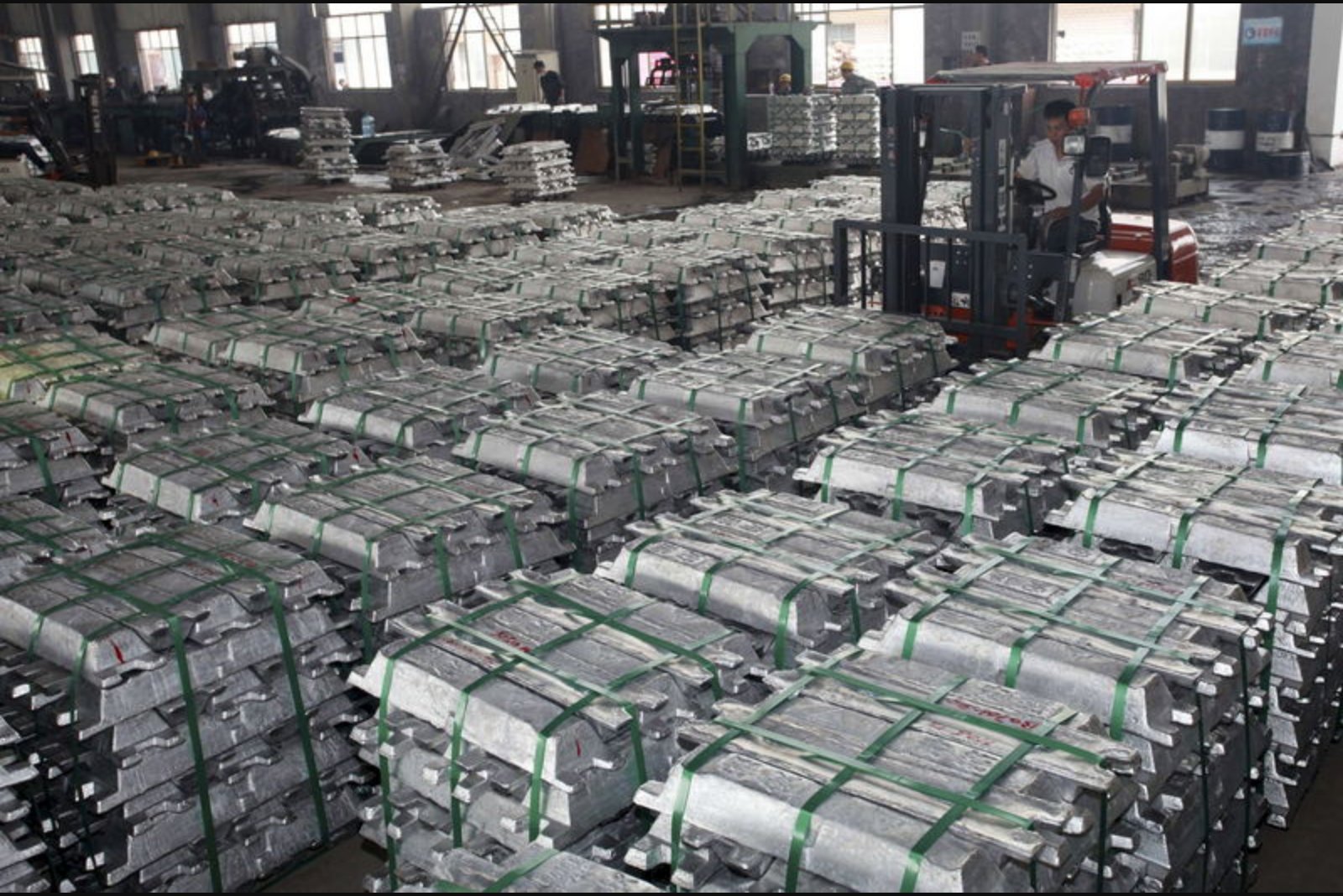
The global aluminium complex is under significant stress as fighting in and around the Strait of Hormuz interrupts exports and damages production assets, according to a recent industry assessment. While the market remains intact, the combination of lost shipments, disabled smelters and rising energy input costs has pushed prices toward historic highs and raised the probability of continued near-term volatility.
Supply impact and damage estimates
Industry figures cited in the report place the Middle Eastern export stoppage at about 7% of global aluminium supply. In addition to halted shipments, military strikes have directly damaged facilities representing approximately 3% of worldwide production capacity. The timeframe for repair and restart varies: some smelters may resume output within months, but several key plants - specifically major smelters in the UAE and Iran - are not expected to reach full capacity for up to a year or possibly longer.
Price response and near-term outlook
Aluminium prices have reacted sharply to the disruption, climbing to their second-highest levels on record and approaching peaks previously observed during the 2022 Russia-Ukraine conflict. Analysts cited in the report expect elevated price levels to persist through 2026, with average prices near $3,400 per tonne for the year.
The supply shock and the damaged capacity are forecast to push the market into a deficit in 2026 and possibly extend that tightness into 2027. Global inventories are already very constrained, covering only a few days of demand, a condition that supports higher prices and amplifies the effect of any further supply interruptions.
Energy costs and production economics
Primary aluminium production is energy intensive, consuming about 4% of global electricity. The same geopolitical disruption has contributed to higher natural gas and coal prices, increasing the cost of aluminium production. Those higher input costs are being passed through to buyers, adding to the upward pressure on prices. The report highlights that this combination - physical supply loss plus rising energy-driven costs - creates additional upside risk to aluminium prices in the short term.
Medium- and long-term trajectory
Market participants expect conditions to normalise over a multi-year horizon. Analysts forecast a return to surplus from 2028 onward as new primary projects, notably in India and Indonesia, start production and as damaged capacity is gradually restored. Demand is projected to grow at roughly 2.2% per year through 2040, with the main consumption drivers being electrical infrastructure, transportation and construction.
The report also anticipates a growing role for secondary supply: recycling of aluminium should expand faster than primary production, increasing the share of secondary aluminium in the overall supply mix.
Winners and risks
Large integrated producers are positioned to benefit from elevated prices. The report points out that major companies such as Rio Tinto are likely to see material profit gains for each increase in aluminium prices.
However, risks to the outlook remain explicit. A prolonged conflict or further escalation in energy prices could drive aluminium even higher, sustaining market tightness and placing additional strain on global supply chains.
Key points
- Middle Eastern export stoppage equals about 7% of global aluminium supply, and roughly 3% of production capacity has been damaged.
- Aluminium prices are at their second-highest level, with analysts forecasting average prices near $3,400 per tonne in 2026 and continued elevated levels through that year.
- Market balance is expected to be in deficit in 2026 and possibly 2027, with inventories covering just a few days of demand; a return to surplus is forecast from 2028 as new projects in India and Indonesia come online.
Risks and uncertainties
- Prolonged conflict could further curtail exports and delay repairs, extending market tightness and adding strain across sectors reliant on aluminium supply, such as transportation, construction and electrical infrastructure.
- Further increases in natural gas and coal prices would raise production costs and could push aluminium prices higher, affecting manufacturers and buyers throughout the value chain.