
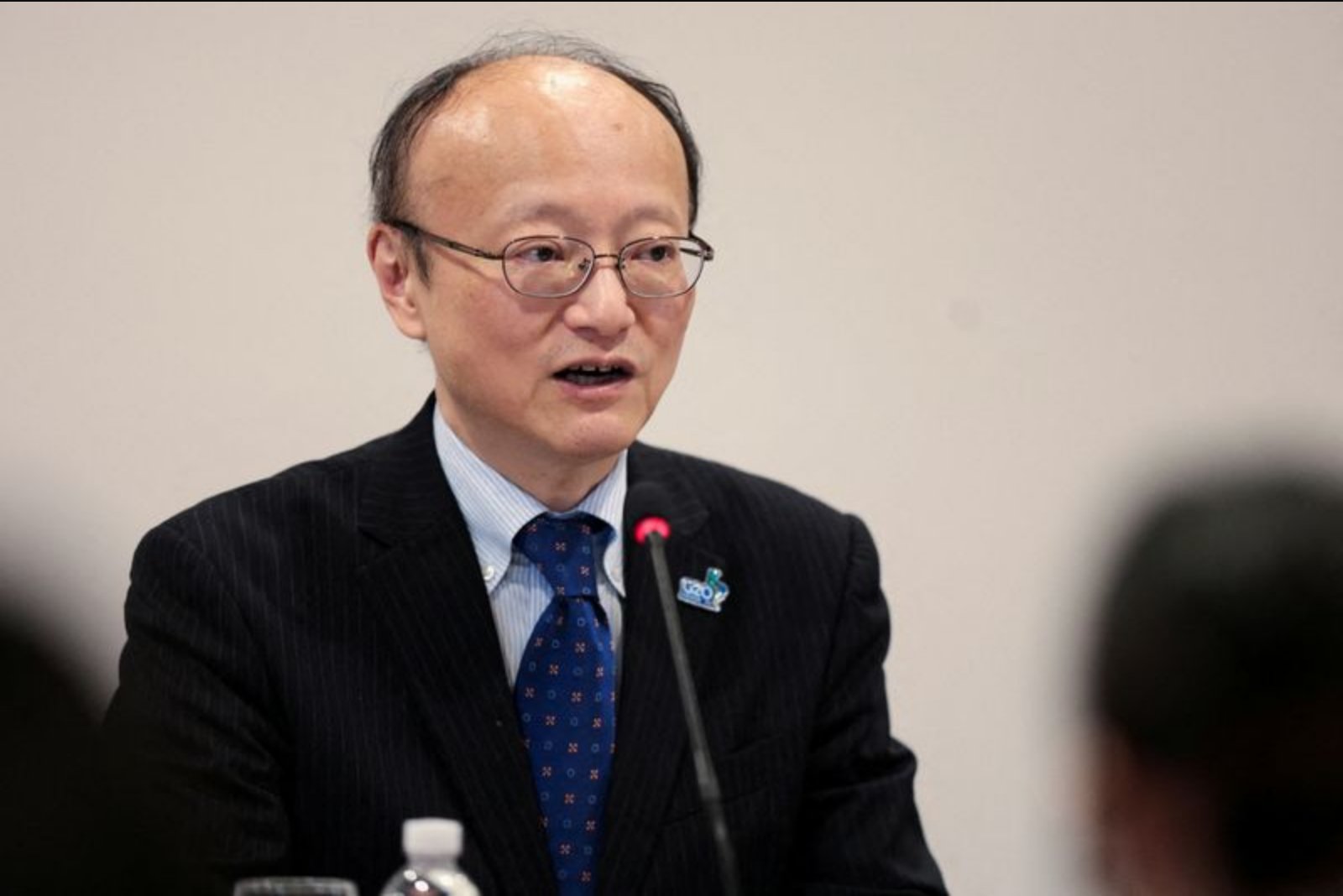
The Asian Development Bank signalled readiness to supply urgent assistance to Pacific countries affected by spillover disruptions from the war in the Middle East, citing fuel shortages and broader energy pressures across the region.
ADB President Masato Kanda made the remarks on Sunday during the bank's 59th annual meeting held in the historic city of Samarkand, Uzbekistan. He identified Pacific nations as particularly exposed to the conflict and in need of immediate action to safeguard energy security.
"Beyond this immediate support, we are ready to support Pacific countries to build resilience against external shocks through diversifying energy sources,"
Kanda's comments came alongside an announcement of an extensive infrastructure plan. Earlier on Sunday, the bank unveiled a $70 billion programme aimed at expanding both energy and digital infrastructure across the Asia-Pacific region through to 2035. The programme is presented as a multi-year effort to boost connectivity and capacity in energy systems as well as digital networks.
The bank's recent estimates, cited by Kanda, show a marked slowdown in regional economic momentum. According to those figures, growth in the Pacific is expected to ease to 2.8% in 2026, down from 4.2% recorded last year. The projection highlights an immediate economic impact on Pacific economies tied to higher energy costs and supply disruptions.
The ADB's dual emphasis on short-term relief and longer-term resilience points to two concurrent priorities: plugging urgent energy gaps caused by current disruptions and supporting diversification of energy sources to reduce vulnerability to future external shocks. The $70 billion infrastructure plan frames these priorities within a longer-term investment horizon to 2035.
Details on the specific instruments, timelines for disbursement of urgent aid, or the composition of investments within the announced programme were not provided in the remarks. The bank's statements focused on the need for rapid support to address energy constraints and on building systemic resilience across Pacific economies.