
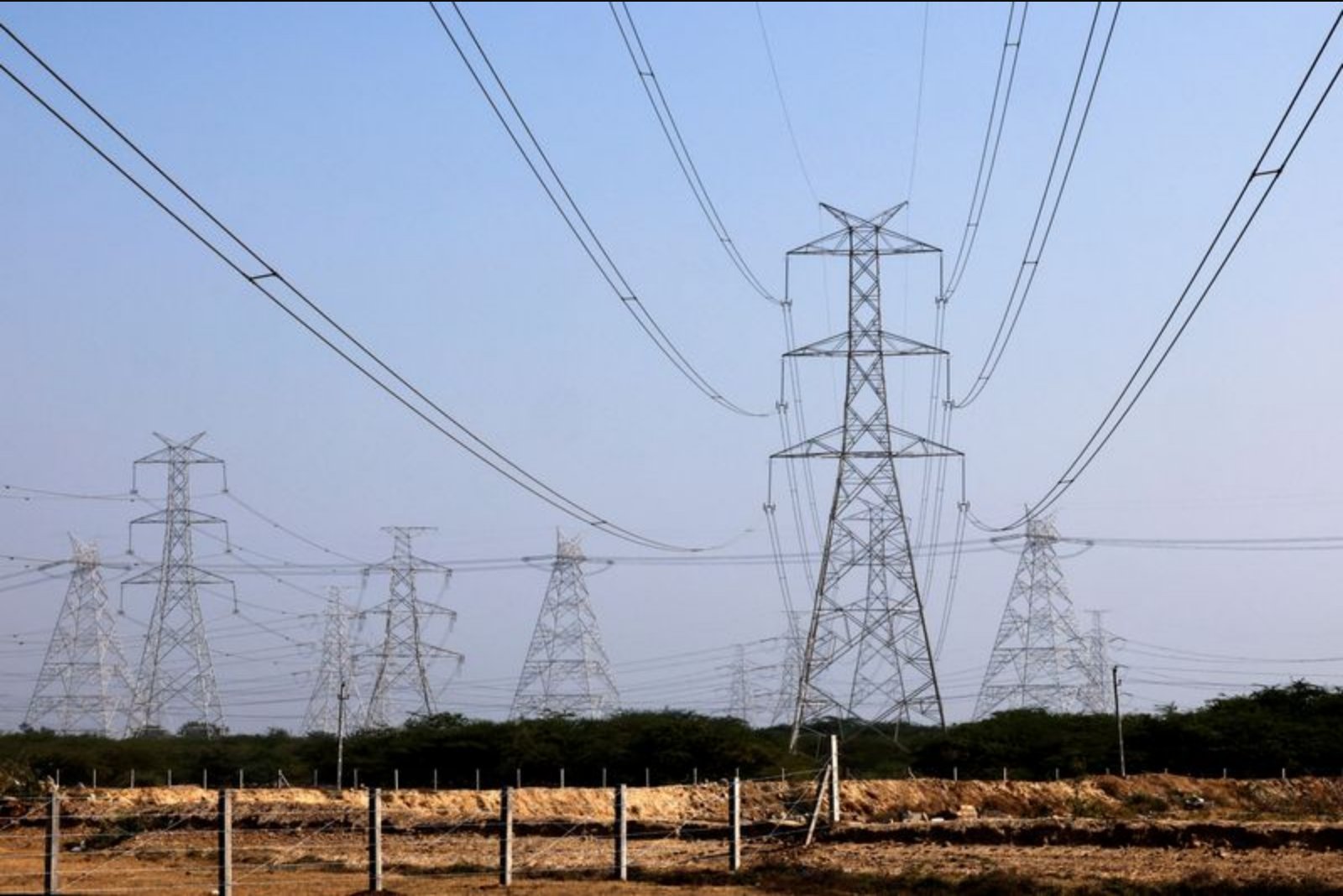
The Asian Development Bank (ADB) on Sunday announced a $70 billion infrastructure programme intended to strengthen energy and digital links across the Asia-Pacific region by 2035. The initiative aims to tie together power networks, encourage cross-border electricity trade and widen broadband access as regional demand and technology adoption increase.
ADB President Masato Kanda framed the effort as foundational to long-term growth in the region. "By linking power grids and digital networks across borders, we can lower costs, expand opportunity and bring reliable power and digital access to hundreds of millions of people," Kanda said in a statement.
Programme structure and targets
The overall package is split into two main components:
- Pan-Asia Power Grid Initiative (PAGI) - $50 billion: The ADB plans to use PAGI to integrate roughly 20 gigawatts of renewable energy across national borders, construct about 22,000 circuit-kilometres of transmission lines and improve electricity access for an estimated 200 million people by 2035. The bank also expects PAGI to reduce regional power-sector emissions by around 15%.
- Asia-Pacific Digital Highway - $20 billion: This arm of the programme targets investments in fibre-optic terrestrial networks, subsea cables, satellite links and regional data centres. Its stated goals include delivering first-time broadband to 200 million people and improving connectivity for another 450 million by 2035, while lowering connectivity costs in remote areas by about 40% and supporting the creation of up to 4 million jobs.
Financing approach
ADB has indicated it will provide a significant portion of funding directly. For the power grid initiative, the bank expects to finance about half of PAGI from its own resources, with the remainder to be mobilised through co-financing arrangements that include private investment. For the digital programme, ADB expects to finance $15 billion itself, with the remaining $5 billion to be raised through other sources.
Implications for markets and sectors
The programme explicitly targets the energy and digital infrastructure sectors, with likely relevance for firms involved in transmission and distribution systems, renewable energy development, fibre and subsea cable construction, satellite services and data centre deployment. The reliance on co-financing means the initiative could open opportunities for private investors to participate in large-scale cross-border infrastructure projects.
Implementation timeline
All stated targets are set against a 2035 horizon. The bank has published numerical goals for capacity, network build-out, connectivity reach and emissions reductions as part of the announced plan.