
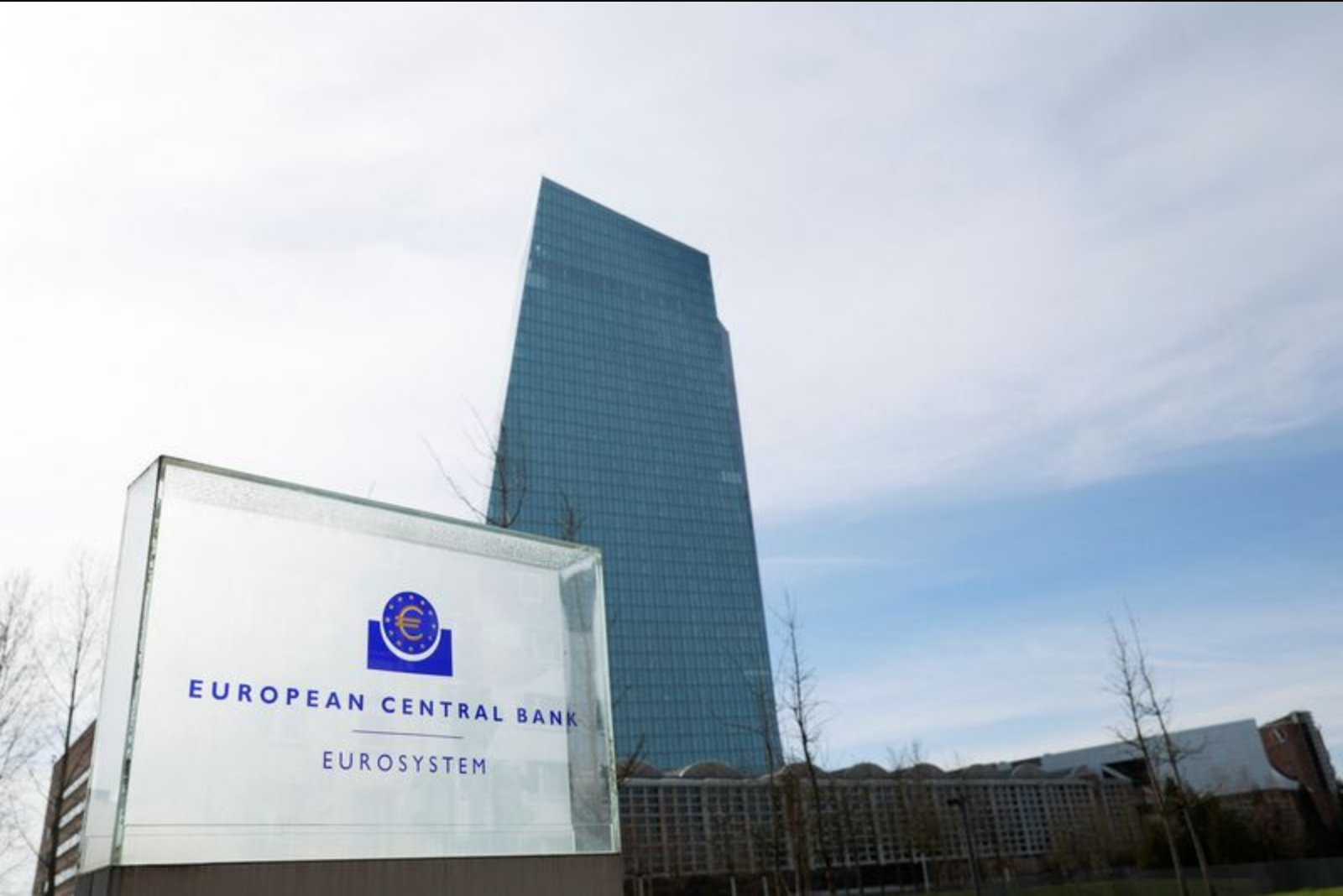
NICOSIA, May 3 - Yannis Stournaras, the governor of the Bank of Greece and a member of the European Central Bank's Governing Council, said in an interview published on Sunday in Cyprus's Phileleftheros newspaper that the possibility of a recession in the euro zone is a tangible concern given recent developments in the Middle East.
Stournaras described the euro area economy as resilient but acknowledged that underlying momentum has softened. He said the new negative supply-side disruption caused by the conflict in the Middle East makes concerns about a recession "real and justified."
Pointing to rising energy prices and mounting uncertainty, Stournaras said those factors "directly affect growth and inflation, given the euro zone's high energy dependence." He contrasted the current episode with 2022, noting that the present environment features weaker growth, tighter financial conditions and less fiscal space, all of which constrain policy options and increase economic vulnerability.
On the near-term pass-through of higher energy costs to headline inflation, Stournaras said there has not yet been a major spillover effect. However, he warned that damage to energy infrastructure could push inflation higher over the medium term and that sustained uncertainty is likely to damp investment and growth.
Stournaras set out how the ECB's response would be calibrated to the characteristics of the shock. "Our response will depend on the intensity, duration and transmission channels of the shock," he said. He added that if the disruption proves transitory and does not trigger significant second-round effects, there would be no need to change monetary policy.
At the same time, he left open the possibility of more active measures if inflation were to move materially away from the ECB's target. A "large, but temporary overshoot of the ECB's target" could call for a "measured adjustment" to limit second-round inflationary dynamics, he said. And if the shock resulted in a "large and persistent deviation of inflation from the target," Stournaras said the policy response should be "robust."
His comments underline the role developments in the Middle East may play in shaping economic prospects across the euro area and in determining the degree of monetary tightening or restraint policymakers deem necessary.
Summary
Bank of Greece governor Yannis Stournaras said concerns about a euro zone recession are "real and justified" given the supply-side shock from the Middle East conflict. He highlighted rising energy prices, heightened uncertainty, weaker growth, tighter financial conditions and reduced fiscal space as factors that limit policy flexibility. The ECB's response will depend on the shock's intensity, duration and transmission; transitory shocks that do not create second-round effects would not require policy adjustment, while persistent inflation deviations would prompt a robust response.