
Stock Markets May 3, 2026 11:00 AM

Fed Governor Warns Private Credit Strains Could Trigger 'Psychological Contagion'

Michael Barr cautions that market sentiment around private lending might spill over into broader credit markets, with insurers also a potential channel

By Derek Hwang
Fed Governor Warns Private Credit Strains Could Trigger 'Psychological Contagion'

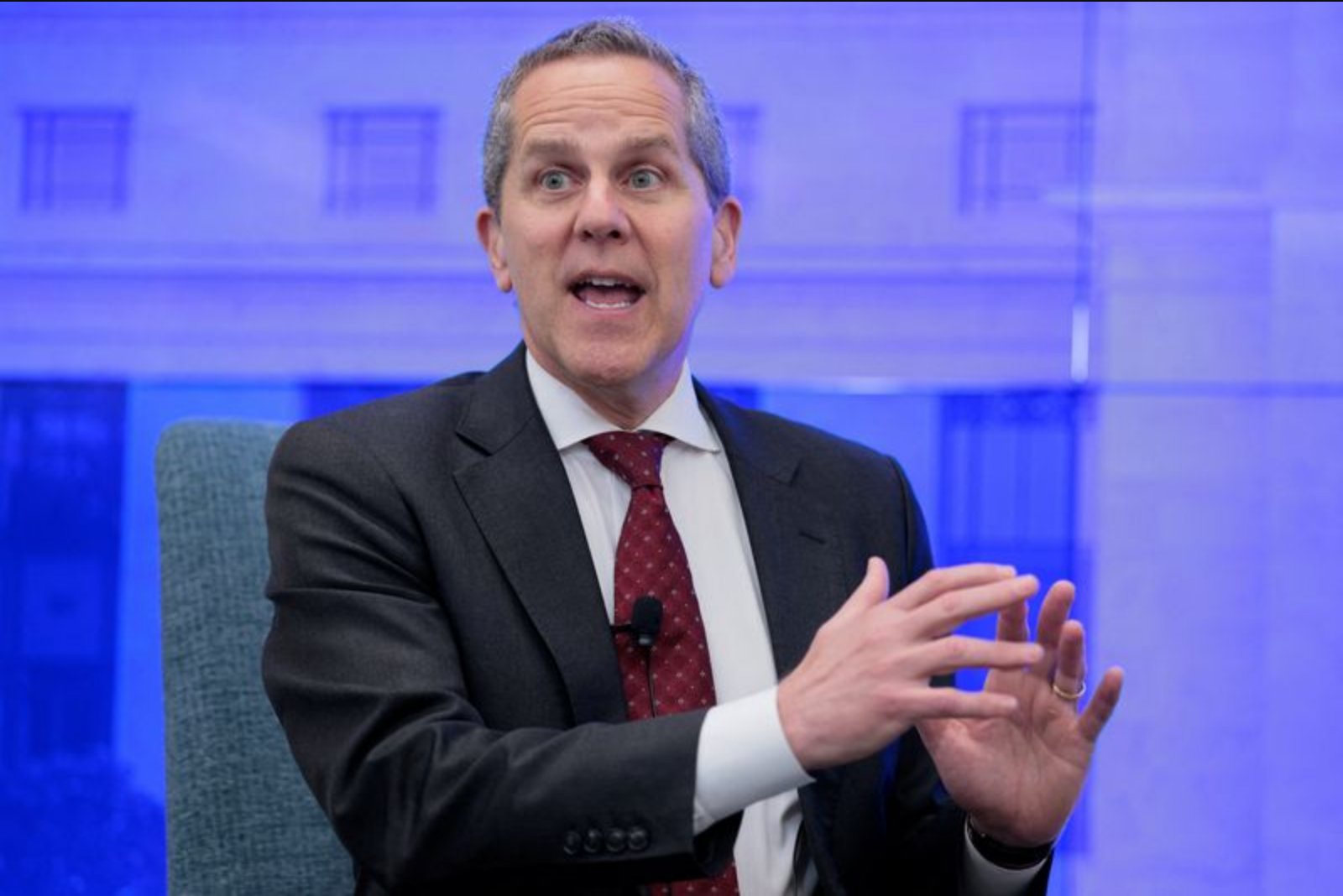
Federal Reserve Governor Michael Barr warned that stress in private credit markets could produce a 'psychological contagion' that prompts a wider pullback in credit and increased financial strain. While direct bank-private credit connections do not appear highly concerning now, Barr highlighted overlaps with the insurance sector as an area of vulnerability. Fed Chair Jerome Powell has said officials are monitoring the private credit market but do not currently view it as a threat to the financial system as a whole.

Key Points

  • Fed Governor Michael Barr warned stress in private credit could trigger "psychological contagion," potentially prompting a wider credit pullback.
  • Direct connections between banks and private credit do not currently appear "super worrisome," but overlaps between private lenders and the insurance sector are an area of concern.
  • Fed Chair Jerome Powell stated in March that officials are monitoring private credit developments but do not currently see those issues as likely to collapse the entire financial system. Sectors impacted include private credit funds, the insurance sector, corporate bond markets, and banking.

Federal Reserve Governor Michael Barr told Bloomberg News that stress within private credit could set off a "psychological contagion" that might expand into a broader credit contraction. He cautioned that, even if direct ties between banks and private credit do not look "super worrisome" at present, other relationships - notably those involving the insurance sector - warrant attention.


In Barr's account, the danger lies partly in how investors and market participants interpret distress in private lending. He described a scenario in which observers, confronted with problems in private credit, may not regard those losses as isolated or idiosyncratic. Instead, they could infer wider faults in the corporate sector and start to look for similar problems across other credit markets.

"People might look at private credit, and instead of saying, 'This is an idiosyncratic problem, these were high-risk loans, the rest of the corporate sector is different,' they might say, 'Wow, there seem to be cracks in our corporate sector. Maybe over here in the corporate bond market, there are also cracks,'" Barr said.

Barr added that such a shift in sentiment could prompt a reduction in credit availability. "Then you could have a credit pullback, and that could lead to more financial strain," he said.


The private credit sector has experienced stress amid a recent market downturn. Some investors have pulled back from these strategies amid concerns over valuations and lending standards after a handful of high-profile bankruptcies. Those developments have left private lenders and their investors more exposed to shifts in market confidence.

Fed Chair Jerome Powell commented in March that central bank officials are watching private credit developments for signs of emerging trouble. Powell said, however, that at this stage officials do not see problems in the private credit sector as likely to bring down the financial system as a whole.


Barr's remarks underscore the Fed's focus on both direct balance-sheet connections and the ways in which market psychology can amplify localized distress into broader credit strains. He identified the insurance industry's overlaps with private lenders as a particular concern while noting that observed direct links between banks and private credit remain limited in their immediacy.

Risks

  • Psychological contagion could cause investors to reinterpret isolated private credit losses as signs of broader corporate-sector weakness, affecting corporate bond markets and credit availability.
  • A credit pullback triggered by changing sentiment could increase financial strain across lenders and borrowers, with potential impact on private credit firms and insurers.
  • Investor retreat from private credit amid concerns about valuations and lending standards, following a small number of high-profile bankruptcies, could exacerbate stress in the private lending market.

More from Stock Markets

U.S. freezes 165 onshore wind projects amid national security review May 3, 2026 Survey: AI Cuts Roles but Boosts Output Across Major Economies May 3, 2026 Saudi Stocks Edge Up as Media, Transport and Cement Names Lift Tadawul May 3, 2026 Small-caps Drive Rally as S&P 500 Gains Mask Narrow Participation May 3, 2026 Greg Abel Earns Respect, but Berkshire’s Annual Weekend Shows Buffett’s Shadow Lingers May 3, 2026