
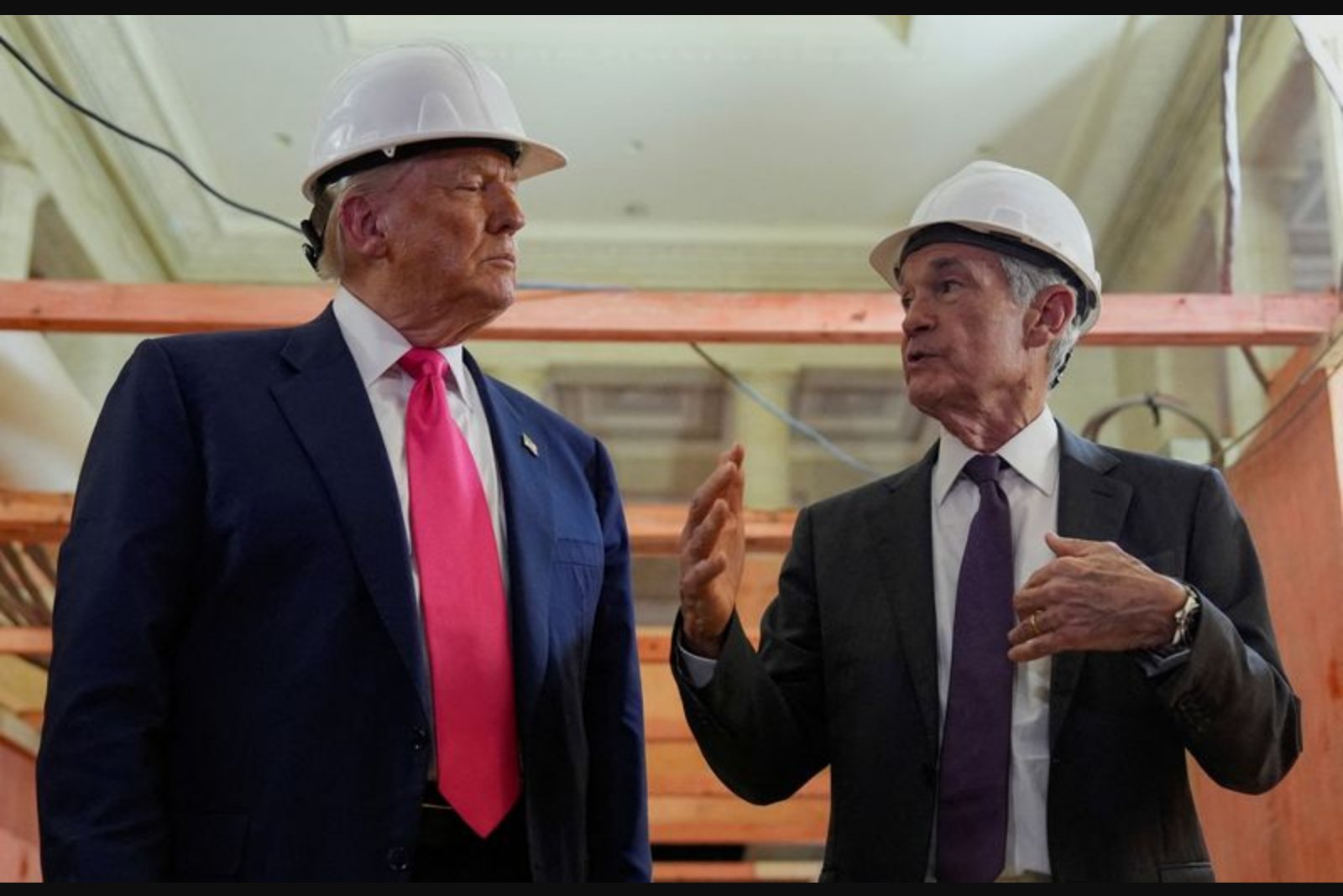
The federal prosecutor who initiated a criminal investigation into Federal Reserve Chair Jerome Powell said on Sunday that the outcome of an internal watchdog review will determine whether the matter proceeds. Jeanine Pirro, the U.S. Attorney in Washington appointed during President Donald Trump’s administration, launched the probe in January and later halted the criminal investigation after a judge curtailed the Justice Department’s use of subpoenas in the inquiry.
Speaking on CNN's "State of the Union," Pirro addressed the ongoing examination by the Fed’s Office of Inspector General into cost overruns connected to renovations of the central bank’s Washington headquarters. "If there’s something there, great - and if there isn’t, I’ll go home," she said, framing the inspector general's review as the decisive next step.
Pirro had dropped the criminal investigation last month after U.S. District Judge James Boasberg blocked subpoenas that prosecutors had issued during the inquiry. Boasberg wrote that prosecutors had improperly issued those subpoenas and found a "mountain of evidence" supporting the suggestion - voiced by Powell - that the investigation may have been intended to pressure him to lower interest rates quickly or to resign as chair.
After terminating the criminal probe, Pirro said she formally requested that the Inspector General examine the renovation-related cost overruns. The inspector general had already been conducting a review at Powell’s request from the previous year, and Pirro emphasized that "the only way to find out what happened is through the Inspector General."
At the same time, Pirro made clear that her office has not abandoned its legal challenge to the judge's ruling. "We continue to litigate the issue, and we will litigate the issue," she said, adding that her team plans to "make a motion to vacate the order" issued by Boasberg in order to defend what she described as an investigative precedent.
The criminal inquiry had emerged against a backdrop of political pressure from President Trump, who since his return to the presidency in January 2025 has pushed the Federal Reserve to reduce interest rates more swiftly and by larger amounts than the central bank has moved amid ongoing inflation. The probe briefly complicated the Senate confirmation process for President Trump's nominee to replace Powell as chair, Kevin Warsh.
Senator Thom Tillis, a Republican who criticized the initial investigation, had delayed Warsh’s confirmation while the criminal probe was active. Pirro's decision to pause the criminal aspect of the inquiry and rely on the inspector general's review allowed the nomination process to advance, and confirmation by a Republican-led Senate appeared likely once the investigation was effectively deferred.
Also speaking on CNN, Tillis praised Pirro’s stance, saying her choice to await the inspector general's work "is the way this process is supposed to work." He added that if the inspector general were to uncover evidence of criminal activity, that would reopen discussion: "then we’ll talk about it. But I think this is a nice way of just ramping it down." He also told the program, "at the end of the day, there was no crime committed - and prosecutors that I’ve spoken with all agree."
Powell, who has been a frequent target of Trump’s public criticism, had condemned the prospect of a criminal probe as a threat to the Fed’s independence. At the Federal Open Market Committee meeting last Wednesday, Powell said he will remain on the Fed's Board of Governors after his term as chair concludes on May 15. "I’m encouraged by recent developments, and I’m watching the remaining steps in this process carefully," he said, referencing the ongoing procedural and oversight actions.
The situation remains contingent on the inspector general's findings. If the IG uncovers evidence that supports criminal charges, the matter could return to prosecutors. If the IG finds no wrongdoing related to the renovation costs, Pirro has indicated she would consider the inquiry closed. Meanwhile, the U.S. Attorney’s office intends to press forward in federal court to challenge the judge's prohibition on the subpoenas.
The outcome of the inspector general's review, any subsequent litigation over the court order, and the stalled-but-moving Senate confirmation process for Kevin Warsh are likely to remain focal points for observers tracking the intersection of law enforcement oversight, judicial rulings, and central bank governance.