
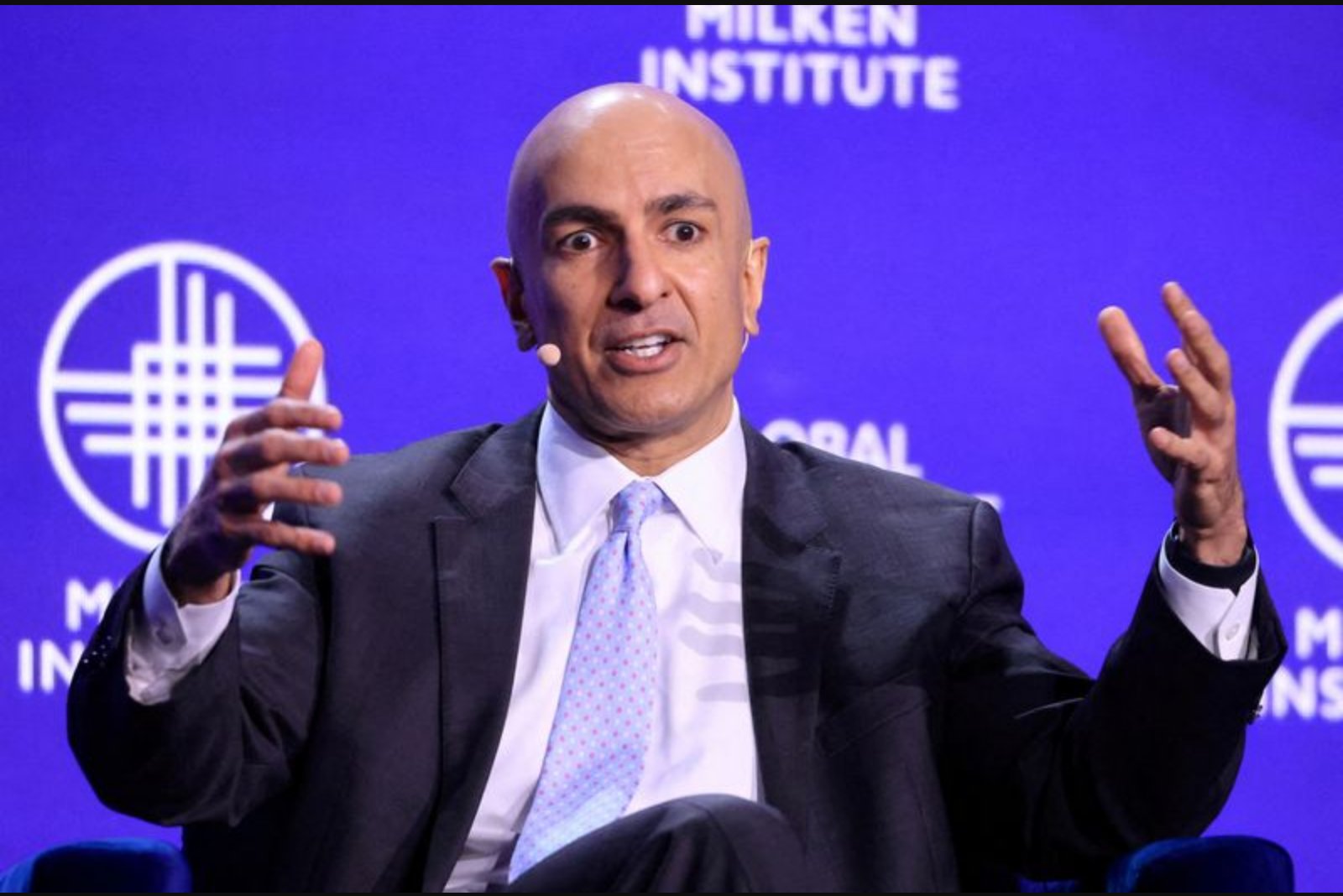
Neel Kashkari, president of the Federal Reserve Bank of Minneapolis, said on Sunday that the longer the conflict involving Iran continues, the greater the chance of both higher inflation and broader economic harm - conditions that make it difficult for the Federal Reserve to offer firm guidance on future interest-rate moves.
Speaking on the CBS program Face the Nation, Kashkari singled out the ongoing closure of the Strait of Hormuz, which he noted is a chokepoint for about 20% of global oil and gas supplies. He said he was "very focused" on how the conflict is influencing inflation and demand in the U.S. economy as energy prices have spiked worldwide.
The military confrontation, which began when U.S. President Donald Trump and Israel launched airstrikes on Iran on February 28, has produced a large upward move in energy prices and exacerbated an already difficult inflation backdrop in the United States. Given the magnitude of the uncertainty tied to the war, Kashkari warned the Fed may need to tighten policy further rather than ease it.
"I don’t feel comfortable signaling that a rate cut is in the cards. You know, we might be in worse scenarios, we might have to go the other direction," Kashkari said.
Kashkari was among a notable group of officials who dissented at the Federal Open Market Committee's most recent meeting, opposing specific language used in the committee’s monetary policy statement. That meeting left the Fed’s target range for the federal funds rate unchanged at 3.5% to 3.75%, and the committee retained language that collectively suggested their next move could be a rate cut.
The Minneapolis chief was joined in dissent by the presidents of the Cleveland and Dallas regional Federal Reserve banks, according to the committee’s record. One other Fed official, Governor Stephen Miran, dissented in favor of a rate cut. The three regional dissenters supported keeping the policy rate at its current level and emphasized that the direction of future rate moves - higher or lower - would depend on how the war affected the economy.
The Fed has historically tended to look through short-term shocks to energy prices on the assumption they will subside. But several officials have observed that the current energy shock is arriving on top of multiple years in which inflation has exceeded the central bank’s 2% goal. That accumulation of overshoots, they say, raises the prospect that rates may need to rise to bring inflation back under control.
At the same time, sharp increases in energy costs can sap consumer spending power by reducing disposable income, which can weaken demand. That dynamic would argue for the Fed to refrain from raising rates - or even to cut them - to shield employment. The dual pressures mean the appropriate policy response depends critically on how the conflict evolves and how strongly it transmits to inflation and demand.
Chicago Fed President Austan Goolsbee, appearing on television on Saturday, described the most recent U.S. inflation readings as "bad news." Measured by the personal consumption expenditures price index, headline inflation stood 3.5% year-over-year as of March, compared with the Fed’s 2% objective.
Adding to the uncertainty around the policy outlook, the leadership at the top of the Fed is changing. Kevin Warsh is expected to succeed current Chair Jerome Powell when Powell’s leadership term ends later this month. During his bid for the chair position, Warsh signaled a preference for easier policy, but Kashkari and other officials warned that events and the views of sitting committee members could complicate that trajectory.
On the outlook for oil, the U.S. and Israel suspended their bombing campaign against Iran four weeks ago, but there has been no sign of a negotiated resolution that would restore market calm. Kashkari said he did not expect a rapid normalization even under favorable circumstances, citing private-sector estimates of extended disruption.
"I talked to the CEO of a global company headquartered in Minnesota that has supply chains all around the world just last week, and they have estimated that even if the strait reopened today, it probably takes six months for their supply chains to return to something like normal," Kashkari said.
Treasury Secretary Scott Bessent struck a more optimistic tone in remarks on Fox News’ Sunday Morning Futures, saying he believed energy prices would fall after the conflict is resolved and pointing to shifts in oil production dynamics as a reason for that confidence. Bessent also said futures markets were pricing in lower energy costs later in the year and suggested Iran had not succeeded in significantly disrupting shipping through the Strait of Hormuz, in part because of a U.S. naval blockade.
Bessent added that the United States had emerged as a "big winner" from the energy dislocations because of its capacity to export oil, though he noted that export volumes are constrained by the physical ability to load cargoes onto ships and move them abroad.
Market analysts at Barclays offered a cautionary view in a note released on Friday, saying that while the recent surge in energy prices had been relatively contained to date, that could change. They warned that additional disruptions to energy flows could drive inventories of critical fuels to dangerously low levels and that "when such tipping points are reached, prices could jump further."
The confluence of elevated inflation, disrupted energy supplies and uncertain demand leaves the Federal Reserve with a narrow path for policy. Officials at the Fed must weigh the possibility that prolonged energy market disruptions will accelerate inflation against the countervailing risk that those same disruptions will weaken household spending and the broader labor market. Until the trajectory of the conflict and its economic transmission become clearer, Kashkari and other dissenting officials say clear guidance on the direction of rates is inappropriate.