
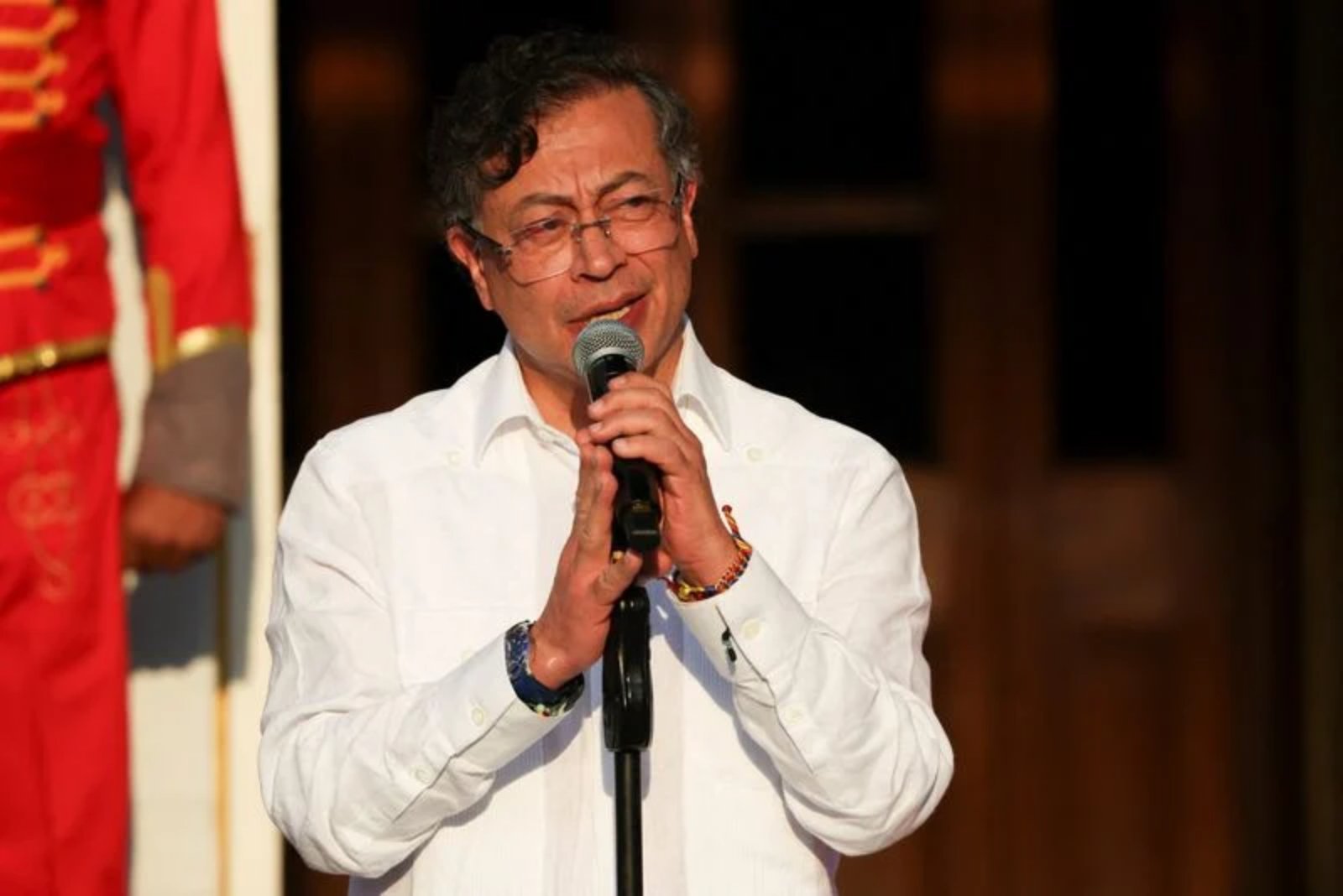
BOGOTA, July 3 - Outgoing Colombian President Gustavo Petro and U.S. President Donald Trump spoke by telephone on Friday in a call focused on Colombia's efforts to reduce coca cultivation, the Colombian government said.
During the conversation, Colombia reported that it had achieved a previously agreed target of eradicating roughly 30,000 hectares of coca under a voluntary program. The government added that it now projects the eradicated area will total 41,000 hectares by the end of 2026. Officials also said funding for the voluntary eradication program is secured through the end of this year.
The exchange occurred as Petro approaches the final weeks of his presidency - a period that will culminate with conservative Abelardo De La Espriella assuming office. The call therefore took place against the backdrop of an impending change in Colombian leadership.
Relations between Bogota and Washington were described as strained at the time of the call. In October, the United States imposed a personal sanction on Petro, alleging he had not sufficiently curbed the drug trade. Petro's office said he asked President Trump to remove that personal sanction during the call; Trump responded that he would "do his best."
Colombia has long been one of the United States' closest security partners in Latin America, and anti-drug cooperation has been a central pillar of that relationship for decades. The July 3 phone call highlighted both the continued emphasis on counter-narcotics efforts and the diplomatic frictions that persist between the two governments.
Context and implications
The Colombian government framed the discussion as a report of progress under a voluntary eradication program, noting an initial target of around 30,000 hectares had been reached and funding is in place through year-end. The projection to reach 41,000 hectares by the close of 2026 was presented as the next milestone for the program.
Petro's request to have his personal U.S. sanction lifted and Trump's reply that he would "do his best" were both reported by Petro's office. The development underscores an unresolved diplomatic issue between the two governments despite longstanding security cooperation.
Summary
Presidents Petro and Trump held a phone call focused on coca eradication targets and a U.S. personal sanction on Petro. Colombia reported meeting a 30,000-hectare eradication goal and expects to reach 41,000 hectares by the end of 2026, with program funding secured through the end of the current year. Petro requested the removal of his personal sanction and Trump said he would try to comply. The call took place as Petro prepares to leave office and amid strained bilateral ties.