
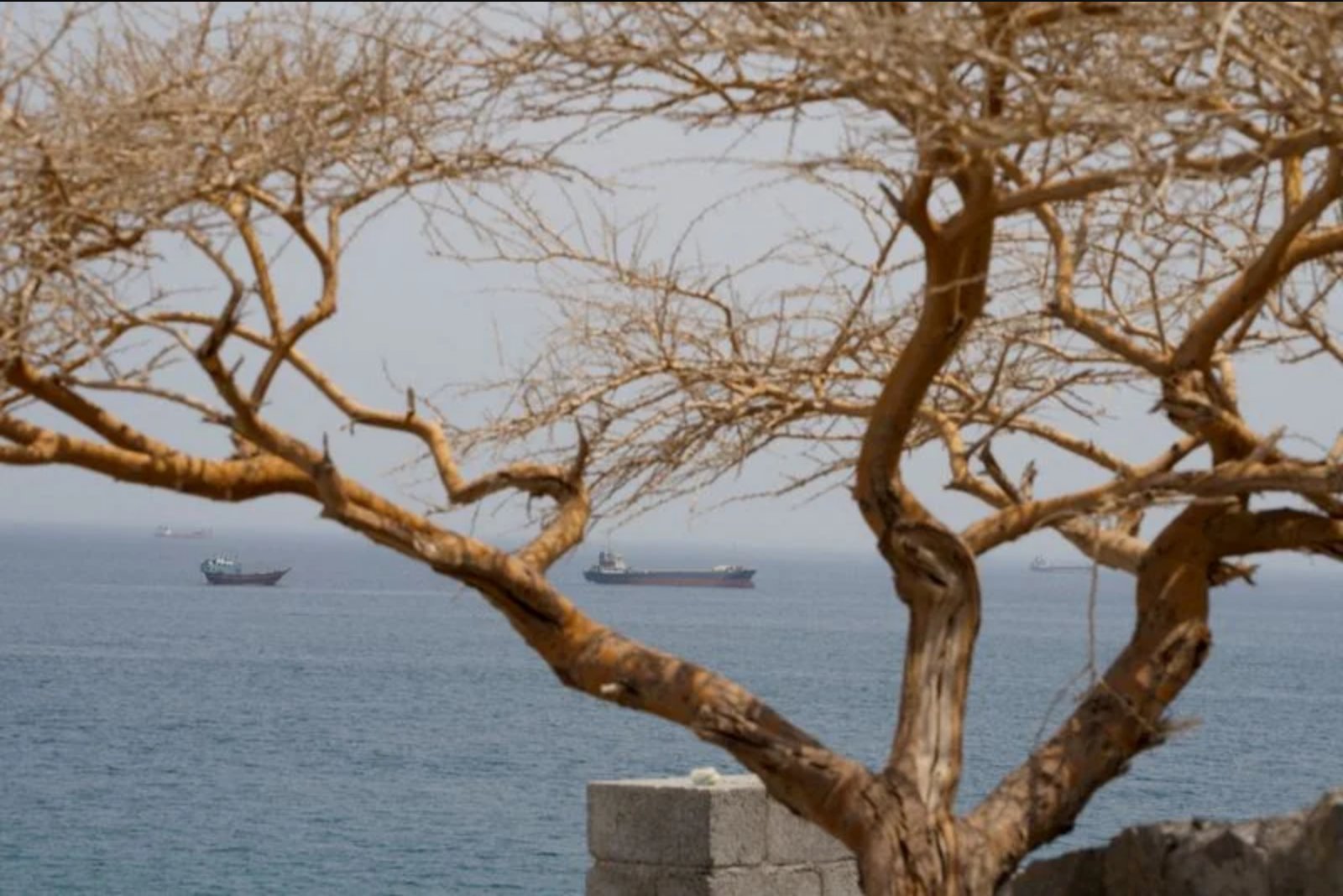
Oil prices were largely unchanged in early trading as tensions over the Strait of Hormuz left tanker movements subdued and no peace settlement between the United States and Iran appeared imminent.
Brent crude futures rose 20 cents, or 0.2%, to $88.72 per barrel by 2350 GMT, while U.S. West Texas Intermediate futures fell 5 cents to $82.35 a barrel.
Both benchmarks recorded gains exceeding 5% over the previous week after attacks hit tankers operated by Abu Dhabi National Oil Company in the Hormuz Strait and a Saudi Aramco refinery.
Over the weekend, Iranian Foreign Minister Abbas Araqchi said Iran had not decided to resume talks with the U.S., and U.S. President Donald Trump urged Americans to accept slightly higher gasoline prices while the conflict continues.
"The status quo remains. Both sides remain firmly dug in and the market is left weighing the risk of tighter supply against the comfort of workarounds and other informal channels," IG market analyst Tony Sycamore said in a note.
Shipping through the Strait of Hormuz eased noticeably over the weekend, according to shiptracking data reported on Monday. Kpler data showed five commodity vessels transited the strait on Saturday, and none were recorded on Sunday, compared with 31 transits during the prior weekend.
The United Arab Emirates, citing its state news agency WAM, accused Iran of attacking a third vessel operated by ADNOC that was passing through the strait on Friday. WAM said this followed earlier allegations that Iran was responsible for two separate incidents involving ADNOC vessels on Thursday evening.
Market participants continue to assess the balance between the potential for tighter oil supply should hostilities escalate and the ability of shipping and trade participants to use alternative or informal channels to mitigate disruptions.
Summary
Oil prices were mostly flat in early trade as tanker traffic through the Strait of Hormuz slowed over the weekend and no peace deal emerged to end the U.S.-Iran conflict. Brent rose modestly to $88.72 while U.S. crude slipped to $82.35. Both contracts had risen more than 5% the prior week after attacks on ADNOC-operated tankers and an attack on a Saudi Aramco refinery. Iranian Foreign Minister Abbas Araqchi said Iran had not decided to resume talks with the U.S., and U.S. President Donald Trump urged acceptance of slightly higher gasoline prices during the conflict. Kpler data showed just five commodity vessels transited the strait on Saturday and none on Sunday, versus 31 the previous weekend. The UAE, via WAM, accused Iran of attacking a third ADNOC vessel on Friday after attributing two earlier incidents on Thursday evening to Iran.
Key points
- Brent crude rose 20 cents to $88.72 by 2350 GMT; U.S. WTI fell 5 cents to $82.35 a barrel.
- Both contracts had gained more than 5% the prior week after attacks on ADNOC-operated tankers and a Saudi Aramco refinery.
- Shipping through the Strait of Hormuz slowed sharply over the weekend, with five transits on Saturday and none on Sunday compared with 31 the prior weekend.
Sectors impacted: Oil and shipping markets, downstream fuel markets, and regional trade routes.
Risks and uncertainties
- Uncertainty over any resumption of U.S.-Iran talks, as Iran had not decided to restart negotiations - impacting geopolitical risk assessments for energy markets.
- Reduced tanker traffic through the Strait of Hormuz could tighten physical oil supply if disruptions persist, affecting crude and refined product markets.
- Allegations by the UAE, via WAM, that Iran attacked multiple ADNOC vessels introduce further uncertainty about maritime security in the region and potential escalation risks.